Video Fliers urged to doublecheck Wi-Fi networks before connecting, travel expert says Travel expert Lee Abbamonte discusses the risks posed by fraudulent wireless connections on commercial flights and what passengers should check before accessing the internet in the air.
Traveling abroad used to mean leaving your normal entertainment routine at home. Now, your streaming subscriptions can come with you. However, hotels, airports and cafés often mean unfamiliar Wi-Fi networks and different streaming catalogs.
If you want to stream safely while traveling outside the U.S., a VPN, or virtual private network, can help. It creates an encrypted connection between your device and the VPN server. That adds useful protection when you are on a network you do not control.
A VPN can also let you choose a server in your home country. That can be useful when you sign in to streaming services you already use. Still, content availability depends on the service, your subscription and local licensing rules. Here's what to know before you travel so you can protect your connection, stream more smoothly and avoid surprises along the way.
Missed CyberGuy LIVE? Watch the Protect Your Money replay
Our free CyberGuy LIVE class, Protect Your Money From Today’s Biggest Threats, has ended, but you can still watch the full replay and download our financial protection checklist. Kurt "CyberGuy" Knutsson walks you through five simple ways to help defend yourself against AI scams, fraud, identity theft and financial hacks. You’ll learn how to set up bank alerts, strengthen your account logins, protect your phone number, freeze your credit and help secure your retirement savings against unauthorized transfers. No technical experience is needed.
Get the free replay and checklist now at CyberGuyLive.com
INSTANTLY UPGRADE YOUR STREAMING: AT HOME AND WHEN TRAVELING
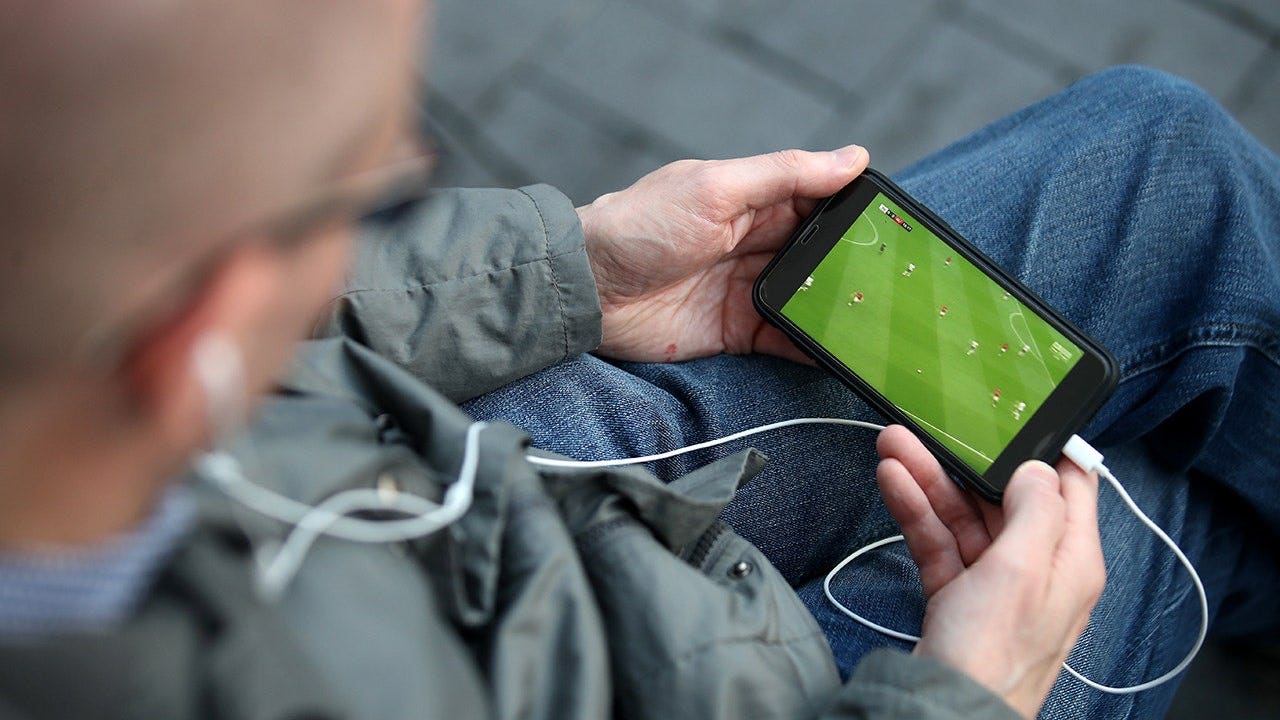
Travelers can use a VPN on hotel, airport and café Wi-Fi while accessing streaming subscriptions they already use at home. (Photo by Alex Pantling/Getty Images)
Free Wi-Fi makes travel easier. Yet you often do not know who runs the network, how it is configured or who else is connected. Most major websites and apps already use HTTPS encryption. Even so, a VPN adds another encrypted tunnel between your device and the VPN server. That can reduce what the local network can learn about your internet activity.
This protection is useful beyond streaming. You may check email, book a reservation or sign in to an account while you are away. Turning on a VPN before using unfamiliar Wi-Fi adds another layer of privacy. Of course, a VPN does not make every public network risk-free. You should still avoid suspicious Wi-Fi names, keep your devices updated and use strong account security.
Streaming can get more complicated when you cross international borders. A service may offer one catalog in the U.S. and another in Europe or Australia. Licensing agreements, regional rights and company policies often determine what appears. A VPN can be useful here because it gives you a secure way to connect to the internet while you sign in to subscriptions you normally use at home. You can also choose a VPN server in the U.S. when you need a U.S.-based connection.
However, a VPN does not guarantee access to a particular show, movie, channel or sporting event. Streaming companies set their own terms of use and regional availability rules. A program you watch at home may therefore be unavailable at your destination. Before you travel, check your streaming provider's current policies and the availability of anything you especially want to watch.
If you want a secure U.S. connection while traveling, set everything up before you leave. That way, you are not troubleshooting from an airport lounge or hotel room.
Choose a reputable VPN service and create your account before your trip. Look for one that offers U.S. server locations, apps for the devices you use and enough simultaneous connections for the people traveling with you.
Install the VPN app on every phone, tablet or computer you plan to bring. Then, sign in and test the connection before you leave home. This also gives you time to solve any password, installation or account problems while you still have a reliable connection.
Open your VPN and choose a U.S. server location. Once connected, open your streaming service and sign in normally. Websites and streaming services see the VPN server's IP address instead of your usual public IP address, while the connection between your device and the VPN server remains encrypted. Your streaming provider still decides what programming your account can access.
TRAVEL MISTAKE PUTS PHONE, LAPTOP AND STREAMING ACCOUNTS AT RISK
A VPN can encrypt your internet connection on public Wi-Fi and help protect your privacy while streaming during international travel. (Kurt "CyberGuy" Knutsson)
Streaming services have their own rules for VPN connections, regional access and travel. Netflix, Hulu, Disney+, Amazon Prime Video, YouTube, ESPN and Apple TV+ may handle VPN connections differently, so check your service before you travel.
The exact shows, movies, channels and sporting events you can watch also depend on your subscription and the streaming provider's regional rules.
That is especially important for live TV and sports. Broadcast rights can change by country, league and even individual event. If there is something specific you want to watch during your trip, check the service before you leave.
A VPN can also protect your connection while you watch live sports through subscriptions you already have. That can be useful for football, basketball, baseball, hockey, tennis, cycling, golf and other events when you are away from home.
However, a VPN does not create a subscription or eliminate a provider's blackout rules. Your streaming service still controls access based on your plan, location and its current broadcasting agreements. For that reason, check the event and service before relying on it for a big game.
The best time to prepare is before you are standing in an airport with spotty Wi-Fi. Download the VPN app on your phone, tablet or laptop. Sign in and test it. Also, update your streaming apps before departure.
Next, sign in to the services you expect to use. Some platforms may ask you to verify your identity when they detect a new device or location. Handling that at home can save time later. If your service supports offline viewing, download a few shows or movies before you go. Offline downloads are especially useful on planes, trains and trips where the connection may be unreliable.
When you use a VPN, your traffic travels through the VPN server before reaching the internet. Distance can affect performance. If you mainly want extra privacy and do not need a particular country, choose a nearby server. A shorter distance can often improve speed and latency.
If you need a U.S. IP address for a service you normally use at home, connect to a U.S. server instead. If the stream slows down, try another server in the same country. A different location may have less congestion or better performance.
Not every streaming problem comes from the VPN. Hotel and airport networks can slow down when many people share the same connection. First, check the underlying Wi-Fi. Then, reconnect to the VPN or try another server.
Closing apps that are downloading files, backing up photos or running large updates can also help. If the connection still struggles, lower the video quality. HD and 4K video require much more bandwidth than standard-definition video. A trusted mobile connection may also perform better than crowded public Wi-Fi, depending on your roaming plan and signal strength.
THE TRICK TO SMOOTHER STREAMING AT HOME AND ON THE ROAD
VPNs can improve privacy while traveling, but streaming services still control regional access, blackouts and available programming. (iStock)
Traveling with a streaming device can make a hotel room feel more like home. However, VPN setup varies depending on the device.
Apple TV: Some VPN providers offer dedicated Apple TV apps that you can install directly on supported models.
Amazon Fire TV and Fire Stick: Many major VPN services offer apps for compatible Fire TV devices.
Roku: Roku does not support traditional VPN apps directly. Instead, you generally need to connect it through a VPN-enabled router or another supported network setup.
Before packing a streaming stick, check whether your hotel television gives you access to an HDMI port. Also, remember that some hotel networks use a browser-based login page. That can make connecting a streaming device more complicated.
A streaming service may license a movie in the U.S. but not in France, Australia or another country. Another broadcaster or streaming company may hold the rights there. As a result, the same account can show a different catalog after you cross a border.
Live sports can be even more complicated because broadcasting rights often vary by market. That is why it helps to check availability before a trip. A VPN can protect your connection and change the location of the VPN server you connect through. However, it cannot change the licensing agreements behind a streaming service.
With so many VPN services available, I would focus on a few practical things. Look for strong encryption, an easy-to-use app, plenty of server locations and support for the devices you plan to bring. If you expect to stream while traveling, also check whether the VPN works well with the streaming services you use and offers servers in the countries you may need.
A VPN encrypts the traffic between your device and the VPN provider's servers, which can add an important layer of privacy when you are using hotel, airport or café Wi-Fi. Before choosing one, check that it supports your phone, computer, tablet and any streaming devices you plan to use. You should also compare how many devices can connect at the same time, especially if you are traveling with family.
I would also look closely at the provider's privacy practices, reputation and independent security audits. Free VPNs can come with limitations such as slower speeds, fewer server choices or questionable data practices, so read the privacy policy before installing one.
Remember that a VPN is a privacy and security tool. You remain responsible for following the terms of your streaming provider and any applicable laws.
For the best VPN software, see my expert review of the best VPNs for browsing the web privately on your Windows, Mac, Android & iOS devices at Cyberguy.com/VPN.
Streaming abroad is much easier than it used to be. Still, I would not wait until you land to figure out your setup. Install your VPN and update your streaming apps before leaving home. Sign in ahead of time, too. Then download something for offline viewing so you have a backup when hotel Wi-Fi becomes unreliable. I also like using a VPN on unfamiliar networks because streaming is only part of what we do online while traveling. You may use the same connection for email, travel reservations and other accounts. Finally, remember what a VPN can and cannot do. It can encrypt your connection and let you select the location of the VPN server you use. It cannot promise that every show, channel or game will be available everywhere you travel.
CLICK HERE TO DOWNLOAD THE FOX NEWS APP
What is the biggest streaming headache you have run into while traveling outside the U.S.? Let us know by writing to us at Cyberguy.com.
Sign up for my FREE CyberGuy Report
Kurt "CyberGuy" Knutsson is an award-winning tech journalist who has a deep love of technology, gear and gadgets that make life better with his contributions for Fox News & FOX Business beginning mornings on "FOX & Friends." Got a tech question? Get Kurt’s free CyberGuy Newsletter, share your voice, a story idea or comment at CyberGuy.com.