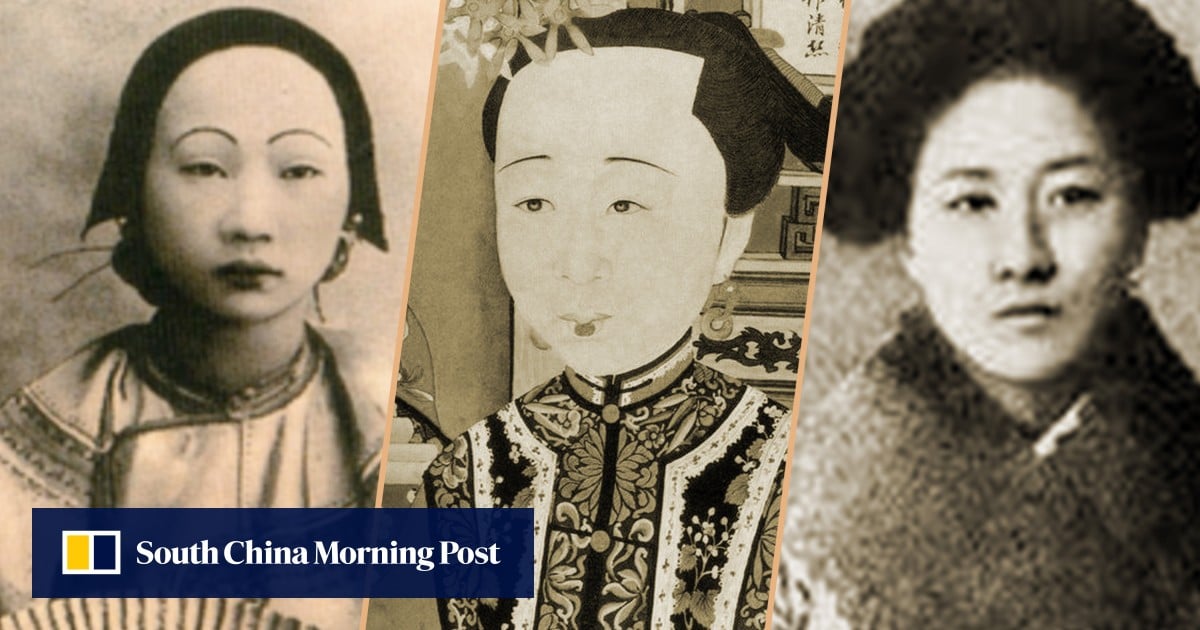
Like much of the world, China experienced a notable rise in women authorship during the 19th century, with three poets making a particularly profound impact
3-MIN READ3-MINKevin McSpaddenPublished: 2:00pm, 8 Mar 2026From the 18th century onwards, female authors gained unprecedented prominence, from Jane Austen and the Brontë sisters in the West to the rise of significant women writers in Qing-era China (1644–1912).
The increasing prominence of female Chinese authors was driven by Dream of the Red Chamber, an 18th-century masterpiece by Cao Xueqin, widely considered the pinnacle of Chinese fiction and one of the four great classical novels of Chinese history. Cao’s book was so important that a cottage industry of poets emerged, writing works dedicated to the novel.
This trend continued the “rise of the woman writer,” which began during the Ming dynasty (1368-1644).
Ruofan Zhang from Changchun University in Jilin, in northern China, wrote in a paper dedicated to Qing-era poets. In the work, published by the Journal of Education, Humanities and Social Sciences in early February, she stated:
“When we enter the literary garden of Qing women’s writing, we come into intimate contact with their inner worlds – we may clearly discern their often-obscured modes of existence, listen to their long-silenced grievances and muted cries of resistance, and feel both their anguished collapse and their tenacious struggle within harsh conditions of survival.”
Zhang added that the Qing dynasty saw a “period of awakening” in which women demanded to break free from the fate of a male-dominated society.
However, despite breakthroughs in the arts, Qing society did not achieve gender equality.