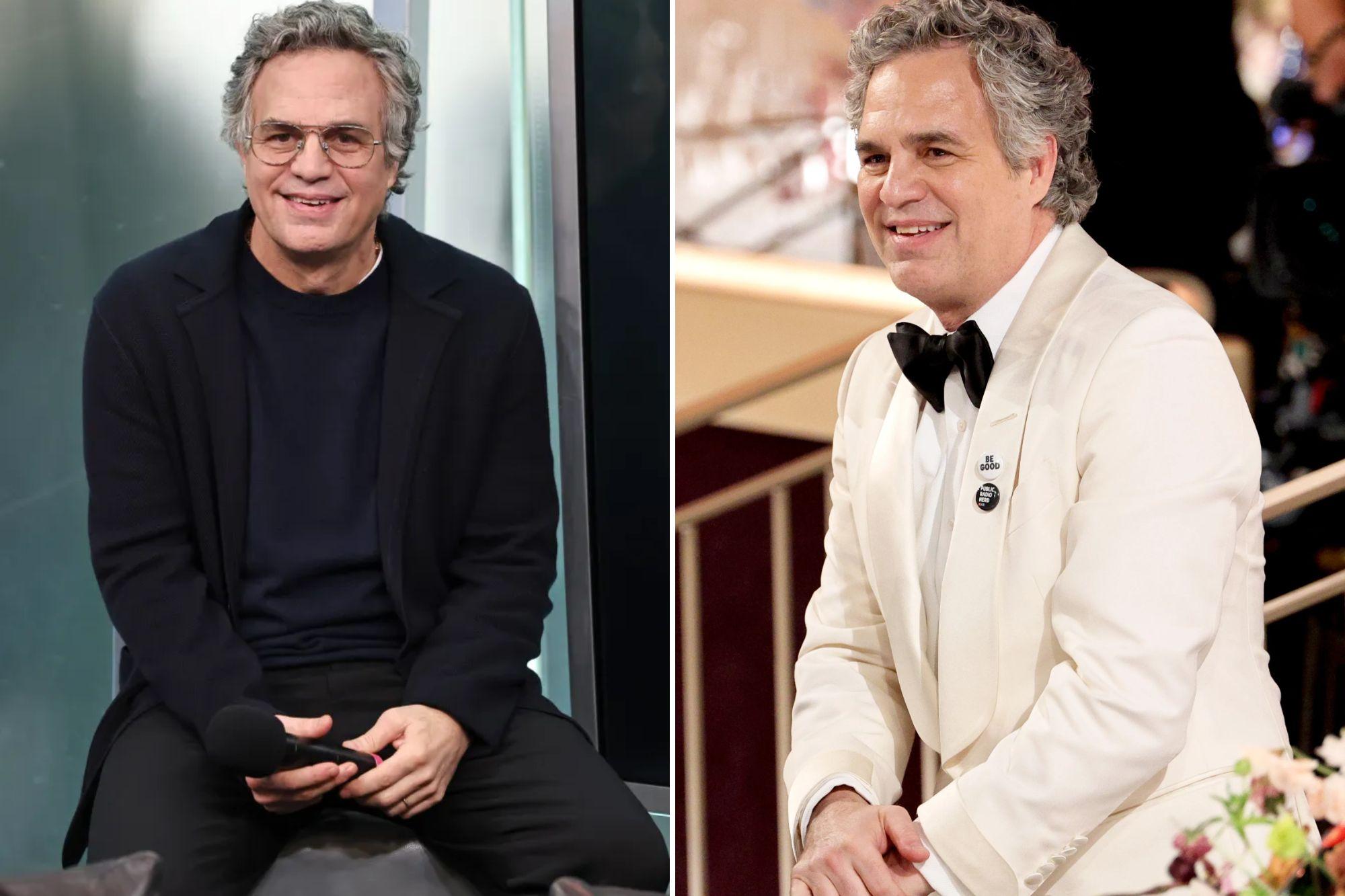
Add The California Post on Google The headlines announcing Mark Ruffalo’s latest line of defense against claims of antisemitism were striking.
More than 170 Jewish artists had rallied around the actor, denouncing an “outrageous smear campaign” and rejecting accusations that his rhetoric about the Ellison family and the Paramount-Warner Bros. Discovery merger trafficked in antisemitic themes.
Read the names and the letter itself, and a different picture emerges.
There are recognizable Hollywood figures among the signatories, including Joel Coen, Tony Kushner, Hannah Einbinder, Ilana Glazer and others. Of the 177 signatories, fewer than half are entertainment figures. The list also contains a significant collection of anti-Israel academics, political organizers, anti-Zionist activists and rabbis whose anti-Israel activism long predates this controversy.
Many have deep connections to the extremist antizionist group, Jewish Voice for Peace (JVP).
Rebecca Vilkomerson spent a decade as JVP’s executive director. Phyllis Bennis has served on its board. Rabbi Alissa Wise held senior leadership roles there. Rabbis David Mivasair and Linda Holtzman have served on its Rabbinical Council. Other signatories include longtime BDS advocates and anti-Zionist activists such as Sarah Schulman, Udi Aloni and Naomi Klein.
That context changes how the letter should be understood.
It reads less like an organic uprising of Hollywood’s Jewish community and more like the mobilization of an established anti-Israel activist network around a celebrity whose rhetoric has increasingly converged with its own.
JVP describes itself as the world’s largest progressive anti-Zionist Jewish organization. Its record tells us what that politics has meant in practice.
On Oct. 7, 2023, while Israelis were still being massacred, raped, and kidnapped and the scale of the Hamas massacre was still coming into view, JVP blamed “Israeli apartheid and occupation” and US complicity as “the source of all this violence.”
Four days later, it accused Israel of launching a “genocidal war” and called on Americans to stop the “imminent genocide” of Palestinians.
JVP organized protests at Sen. Chuck Schumer’s home, and together with IfNotNow, another radical group, they organized a protest inside the US Capitol. Hundreds were arrested. All of this before Israel’s major ground offensive began.
During the 2024 encampment movement, JVP said its student chapters helped organize at least 47 encampments around the country. It celebrated encampments at more than 100 campuses as “liberated zones” and “popular universities for Gaza.”
Columbia suspended its JVP and Students for Justice in Palestine chapters in November 2023 for repeated violations of university event policies.
This is the radical political ecosystem heavily represented among Ruffalo’s defenders in this letter.
California Post News: Facebook, Instagram, TikTok, X, YouTube, WhatsApp, LinkedInCalifornia Post Sports Facebook, Instagram, TikTok, YouTube, XCalifornia Post Opinion California Post Newsletters: Sign up here!California Post App: Download here!Home delivery: Sign up here!Page Six Hollywood: Sign up here!
It also represents a very small ideological current within American Jewry.
A 2025 national survey commissioned by Jewish Federations of North America found that only 7% of American Jews identified as anti-Zionist, while 88% said Israel has the right to exist as a Jewish and democratic state.
The overwhelming majority of American Jews support the continued existence of a Jewish state. Yet the Ruffalo letter uses Jewish identity to make a small ideological minority appear more representative than it is.
The letter barely engages with the substance of the accusations against Ruffalo. Instead, in a sleight of hand, it replaces scrutiny of his words with a debate about Israel and Gaza.
He fused the Jewish State, Jewish executives, immense wealth, media ownership, “profoundly scary technology” and warnings about concentrated power into a single ominous narrative suggesting that the machinery being assembled by these people could someday be “used on you.”
Antisemitic conspiracy theories have long portrayed Jews as using wealth, hidden influence and control over media or institutions to manipulate society from behind the scenes. Ruffalo’s language is dressed in contemporary political terms, but the structure of the conspiracy is painfully familiar.
Ruffalo may sincerely believe that he is standing up for Palestinians. So may many of the people defending him. Sincerity does not render false claims true or inflammatory rhetoric harmless.
A person can believe he is advocating for Palestinians while spreading falsehoods, embracing extreme claims and contributing to a climate in which hatred toward Jews becomes increasingly normalized. Both can be true.
Perhaps the most remarkable line in the open letter is its declaration that the “tired playbook” of raising antisemitism has “run its course.”
Antisemitism does not cease to exist when acknowledging it interferes with a preferred political narrative. And it does not receive a moral exemption because a group of Jewish artists and activists is willing to defend it.
Calling every criticism of Israel antisemitic would be wrong. Calling every accusation of antisemitism a “smear” is just as intellectually dishonest.
The headlines say Jews in Hollywood rallied to Mark Ruffalo. The names, the history and the politics tell a far more revealing story.
Ari Ingel is executive director at the Creative Community for Peace.