Add The New York Post on Google WASHINGTON — The Trump administration is proposing to strip schools of their tax-exempt status if they give advantages to minority students based on race, including when it comes to admissions, scholarships and financial aid.
More than 18,000 schools across the country could be affected, the Treasury Department estimates, noting the new rule would not apply to religious institutions nor would it affect “race-neutral criteria” such as family income, individual hardship, military family status or academic achievement.
But any school that confers benefits on the “basis of race, color, or national or ethnic origin” would no longer be tax-exempt.
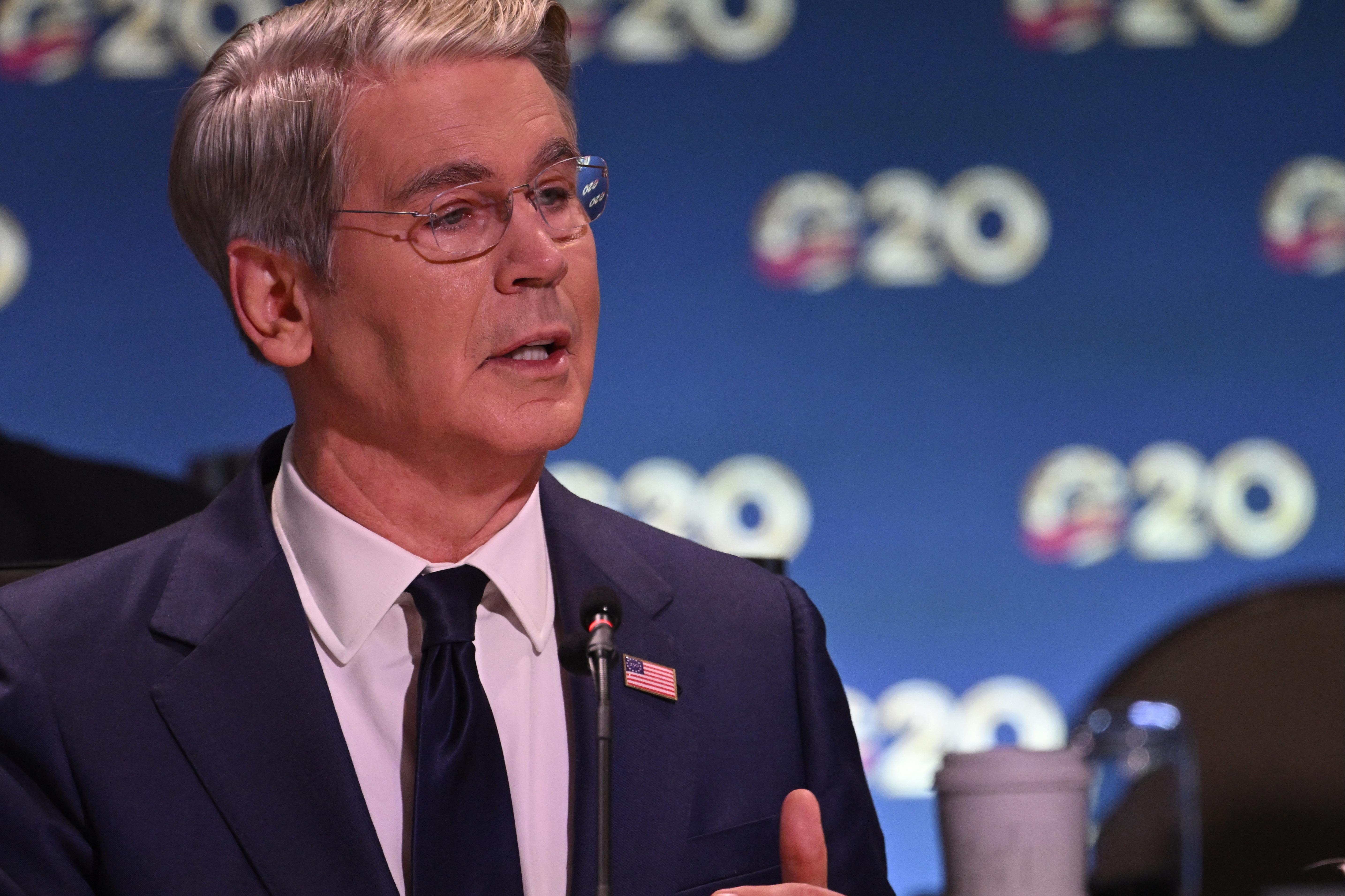
Treasury Secretary Scott Bessent said schools should stop discriminating based on race Anadolu via Getty Images “Schools rebranding race-based preferences as equitable, inclusive, or diversity-enhancing does not change their discriminatory nature,” Treasury Secretary Scott Bessent said in a statement.
“Today’s Treasury and IRS proposed regulations establish a clear standard, and the institutions that continue to use discriminatory practices will no longer receive the benefits of federal tax-exempt status.”
While these schools would likely not pay much in taxes it could affect their fundraising efforts as donors would no longer be able to write off donations on their taxes.
President Trump has sought to remake the country’s education system, taking much power away from the federal government and returning it to the states.
His administration has targeted colleges and universities for race-based practices and Trump has tried to take away Harvard University’s tax-exempt status because of what he calls its refusal to stamp out alleged antisemitism and hate on campus.
But Thursday’s new rule expands his use of the IRS to try to force schools to follow his vision. It would apply to a range of education institutions – private primary and secondary schools, colleges, universities, professional schools, and trade schools.
It would also apply to schools that don’t take federal funding.
For example, the Kamehameha Schools, a private K-12 institution in Hawaii, is facing a lawsuit for giving preference to Native Hawaiian students in its admissions standards. The school argues federal civil rights laws don’t apply because it doesn’t take federal funds. However, the new rule on tax-exempt status would go into effect here.
A new rule from the Trump administration would take away a school’s tax exempt status if it gave students an advantage based on race USA TODAY Network via Reuters Connect The president has made many changes to the education system under his tenure, including ending “critical race theory and transgender insanity” in schools, bringing back the presidential fitness test, and returning whole milk as a drink option in the cafeteria.
Trump has lamented the country’s education system, complaining schools are failing their students.
“They were failing at a thing called education, with only 30 percent of the students proficient in reading and math,” he said last month at an event on school choice. “That was under the last administration.”
Treasury said the new rule would go into effect for taxable years beginning on or after May 31, 2027, providing affected institutions with sufficient time to review and update their policies.
However, the rule first must go through a lengthy public comment period that could result in changes to it. Once it’s finalized, many schools would likely be audited by the IRS to ensure compliance.
For legal justification of the rule, the department cited a 2023 Supreme Court ruling, in the Students for Fair Admissions case.
In that ruling, the court said schools cannot use race to determine admissions, calling it a violation of the Equal Protection Clause of the 14th Amendment. But the ruling only applied to admissions.
However, it had a ripple effect that trickled down to financial aid. In the aftermath, the percentage of scholarships targeting specific races, ethnicities, or genders dropped from 15% in 2023–2024 down to 11% by 2026, according to data from the National Scholarship Providers Association.