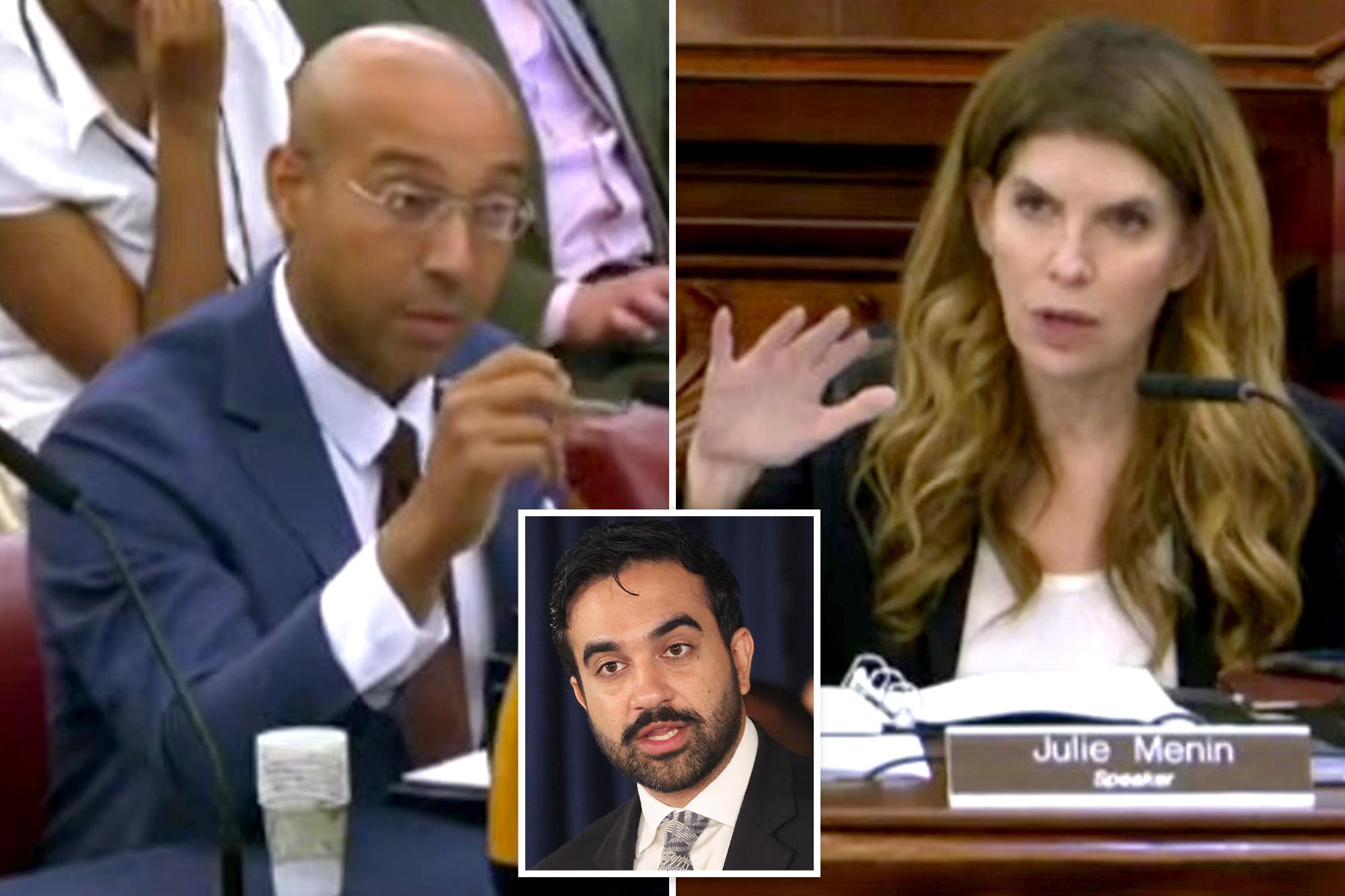
Add The New York Post on Google City lawmakers Wednesday slammed Mayor Zohran Mamdani’s response to the summer’s Legionnaires’ outbreak on the Upper East Side that claimed 11 lives — one day after he tried to get ahead of the controversy with “sweeping new measures” to combat the disease.
The City Council and Big Apple civic leaders blamed City Hall’s lack of preparedness for the deadly health crisis that also killed seven New Yorkers last year, prompting lawmakers to now adopt stricter measures to prevent the disease.
“We need to be proactive instead of reactive,” railed Valerie S. Mason, the chair of Community Board 8 – which was at the epicenter of the 2026 outbreak. “I saw the mayor’s announcement of so-called sweeping measures, they don’t seem very concrete to me.”
Mason described Mamdani’s preemptive announcement Tuesday as a vague laundry list of guidelines, which include vague calls for “synergy” between the city health and building departments and accelerating testing enforcement.
The administration fell short of acknowledging that it could’ve done a better job.
City Council Speaker Julie Menin piled on the Mamdani administration.
“Legionnaires’ disease is not a new threat,” she said. “We know it occurs in New York City every year. We know cooling towers require rigorous inspection and oversight. And we knew before this outbreak that the Health Department needed additional staff to do this work.”
City Health Commissioner Alister Martin defended the response to the deadly bacteria outbreak – which is typically found in manmade cooling towers of industrial buildings – but said the origin remained unclear.
“My hope is that we’re going to be able to provide a match, that there will be one or two – but we don’t have that data back yet,” said Martin – blaming a “very complicated” DNA testing process that matches samples from infected patients to the bacteria often found in building cooling towers.
Menin shot back at the public health chief, noting prior outbreaks of the bacteria that cause Legionnaire’s disease – a potentially lethal form of pneumonia – had been opened and closed on a shorter timeline.
“My response to that is why is it taking so long? Because in the Harlem outbreak the department released the results within 35 days or so.”
The Upper East Side cluster marks the second consecutive summer where the city faced an outbreak of the disease. A Central Harlem cluster in between July and August of 2025 infected more than 100 New Yorkers and took the lives of seven.
The City Council subsequently passed a law requiring building owners to test for the bacteria in their cooling towers every 31 days — previously, testing was required every 90.
Martin defended the department’s enforcement of the measures – claiming that of the buildings in the Upper East Side cluster — 74% were compliant with the new law just eight weeks after the new guidelines went into effect.
The health department launched an investigation into the outbreak on July 2nd. Officials determined 59 cooling towers out of 169 tested positive in the Upper East Side neighborhood as of July 28.
Mason pointed out in her testimony that Mamdani had made no concerted effort to visit the area where New Yorkers were dying – unlike former Mayors’ Adams and de Blasio.
“As of today there has been no outreach by our mayor to this affected community even though he lives in it. He did not attend any of the town halls or our community board meeting,” she claimed.
In a press release Tuesday, Mamdani claimed the city responded to the Upper East Side cluster with “urgency and an unprecedented level of action.”
“Our response to the Upper East Side cluster was fast and aggressive, and we are building on what we learned to make our systems stronger, enforcement faster and public health response more transparent,” he said.