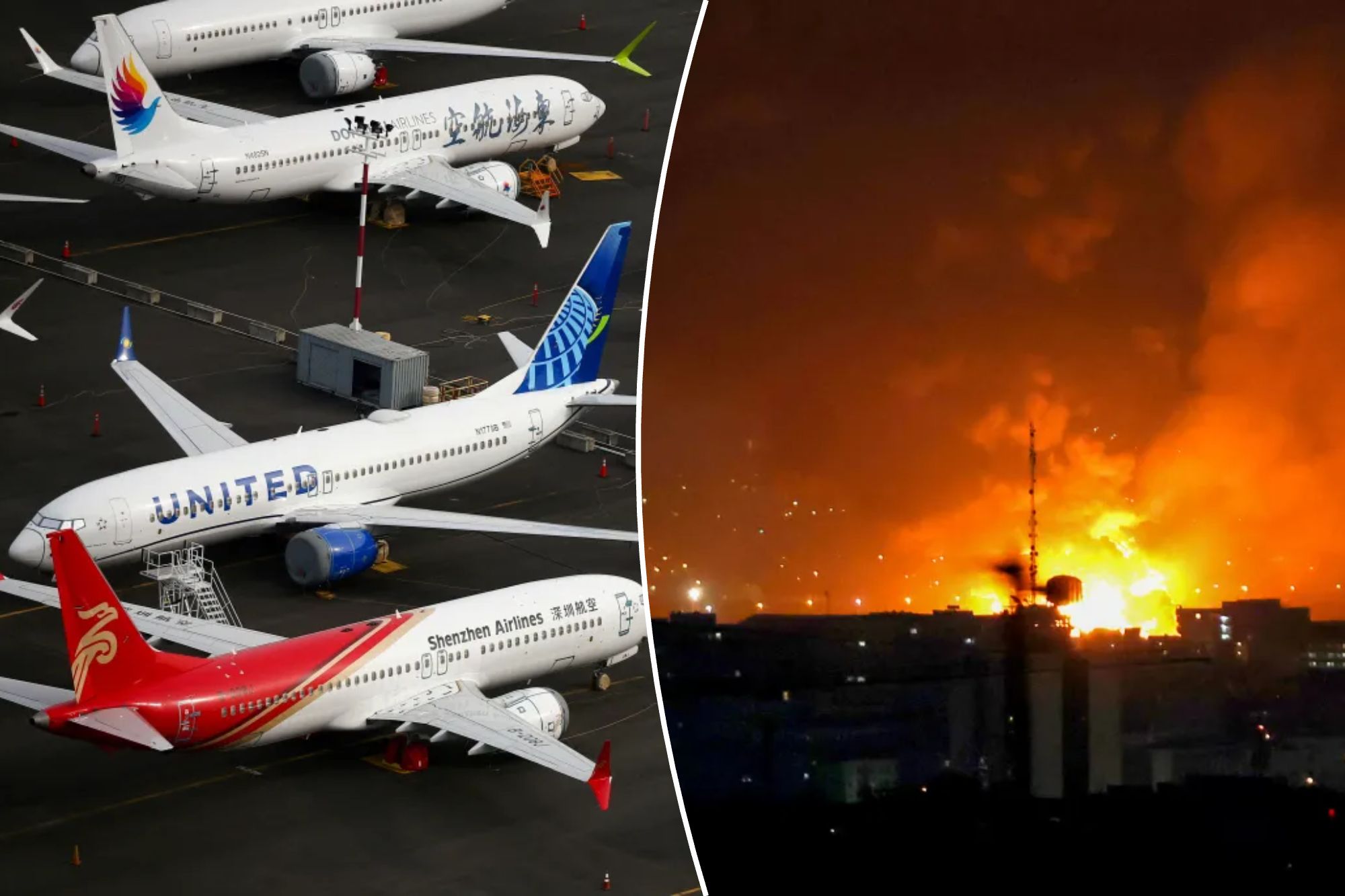
The war in Iran has already caused the cost of plane tickets to rise, experts say.
Jet fuel, which accounts for about one-fifth of airlines’ operating expenses, surged a staggering 56% in the days following the initial Feb. 28 US and Israeli strikes on Iran, per CBS News.
The Strait of Hormuz, a key Middle East trade route for oil and liquefied natural gas, is effectively closed amid the conflict.
Jet fuel, which accounts for about one-fifth of airlines’ operating expenses, surged a staggering 56% in the days following the initial Feb. 28 US and Israeli strikes on Iran, per CBS News. REUTERS Henry Harteveldt, founder of Atmosphere Research Group, told the outlet that airlines “began increasing airfares this week as spot jet fuel prices started to spike.”
The expert said increases have usually been for premium seats, such as those located in first-class and business.
“They are trying to find a balance between how much they can increase fares to cover substantially higher fuel costs and how high is too high,” he stated.
Meanwhile, United Airlines CEO Scott Kirby says the war’s impact on ticket prices will “probably start quick.”
He made the claim during a discussion at the Harvard John A. Paulson School of Engineering and Applied Sciences on Thursday, as cited by The Street.
Smoke and fire rising from airstrikes at Mehrabad International Airport in Tehran. AFP via Getty Images Kirby added that higher fuel costs could have a “meaningful impact” on the carrier’s next set of financial results.
Airlines already face a loss of revenue from canceled or diverted flights across the Middle East amid the war.
However, larger airlines, such as United, are more effectively able to cope with the rise in fuel prices, per a memo from Citi analysts.
“Demand strength may in part offset rising fuel prices but, airlines with low-margins and high fuel expense as [a percentage] of revenue have the most sensitivity to fuel shocks,” they wrote in a March 4 note.