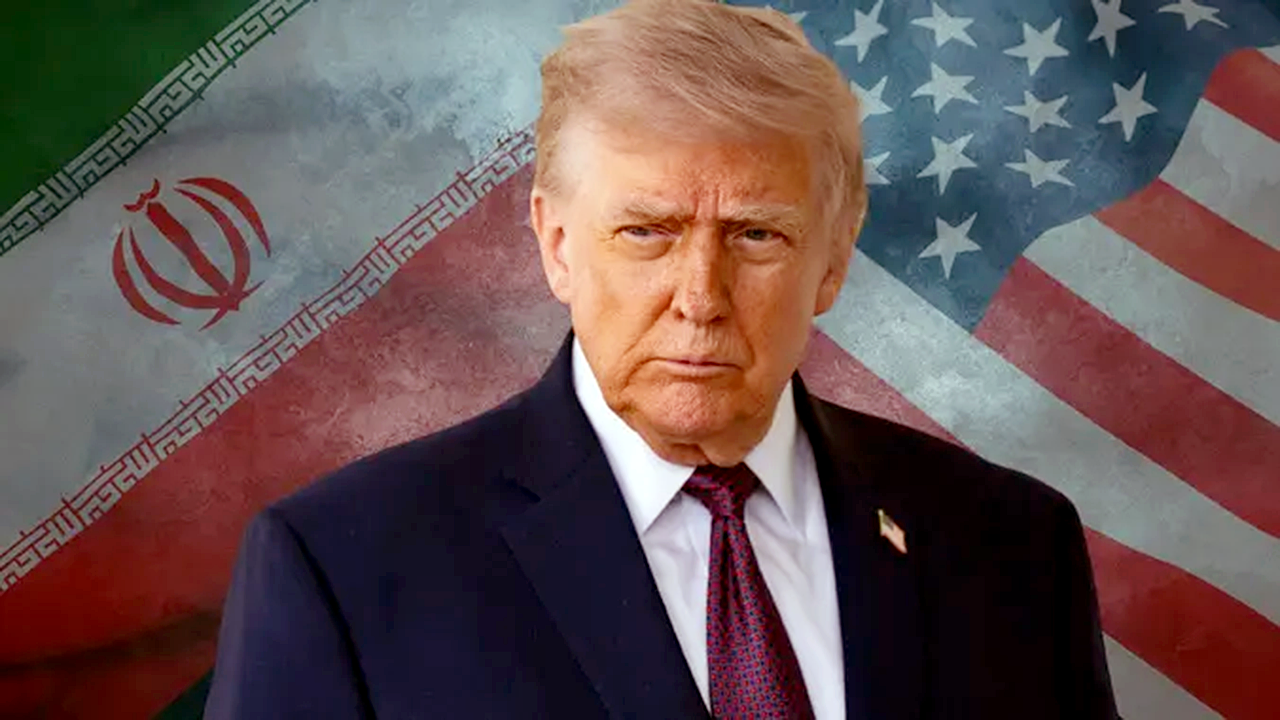
Russia's finance minister is at the G20 meeting in Asheville but some key US press corps members are not. The mood was already tense amid the lengthy Iran war and Trump's renewed beef with neighbor Canada.
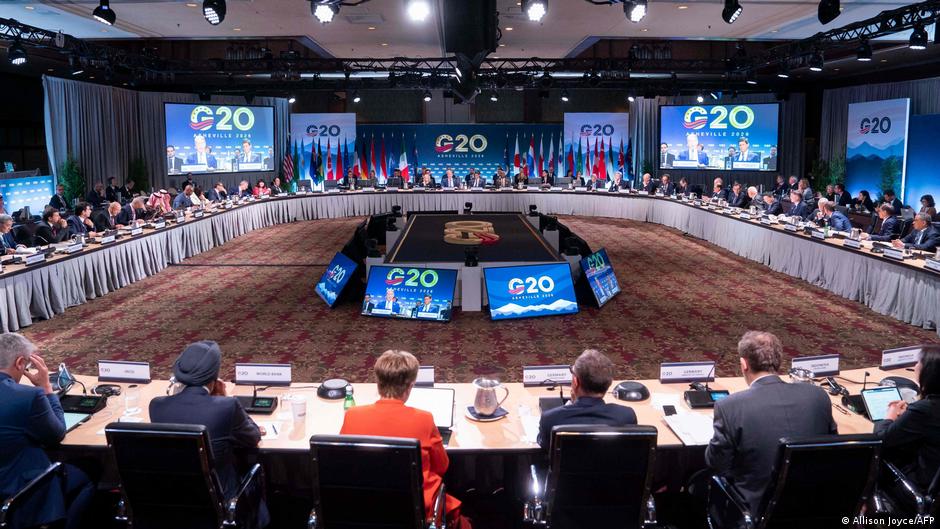
https://p.dw.com/p/5JjGZThe two-day summit in North Carolina come as Donald Trump has Iran, but also his nearest neighbor Canada, in his economic crosshairsImage: Allison Joyce/AFPAdvertisementG20 finance ministers and central bank heads gathered in Asheville, North Carolina for two days of talks.
The session is being overshadowed by dissatisfaction over the White House welcoming Russia to the meeting but not some critical reporters, the war with Iran and its economic fallout, and Donald Trump's latest trade dispute with Canada.
Russian Finance Minister Anton Siluanov made an unexpected appearance as talks opened late on Monday. He held a bilateral meeting with US Treasury Secretary Scott Bessent.
"We like getting along with everybody," Trump told reporters when asked about the first in-person Russian invite since the 2022 full-scale invasion of Ukraine.
The US currently holds the rotating G20 presidency and so is hosting the session.
The US government told several news agencies on condition of anonymity that Bessent used the meeting to tell Siluanov that the US would not give Russia economic relief until it brings its four-and-a-half-year invasion to a close.
"Receiving the Russian finance minsiter here sends a troubling signal," German Finance Minsiter Lars Klingbeil said.
He said he and his European colleagues made clear that they would not appear in the traditional "family photo" alongside the Russian media, saying this was a common EU position.
The photo was ultimately taken without Siluanov and away from the media.
Polish Finance Minister Andrzej Domanski told the Reuters news agency that he recognized the right of the G20 hosts to invite guests, but that he was unhappy to see Moscow represented.
"We do not trust Russia. They lie constantly and you need to be really, really cautious while discussing with them," he said. "So for me it would be very difficult to have any kind of conversation with Russia."
As leaders gathered in Asheville, three giants of the US media landscape complained of either no or limited access toe the meeting.
The business-focused Bloomberg News said that its team was not allowed access, while the Wall Street Journal and the New York Times both complained that certain journalists who would typically cover such events were refused media credentials.
Following a challenge from the DJV German journalists' union on Monday, Klingbeil was critical on the matter.
"I believe the press has a completely legitimate interest in reporting openly and freely on this G20 summit," he said. "I consider it unacceptable for journalists or entire editorial teams to be excluded."
Klingbeil had also said in a German political podcast last week that he would bring a simple message to the US regarding what he called Donald Trump's "irresponsible" war in Iran — that it needed to come to an end.
Host Bessent, however, was trying to drum up support among allies for the US plans for what it calls "Operation Economic Outcast," an intensified sanction regime against Iran reliant in no small part on third parties outside the US who still do business with Tehran.
Iran has withstood decades of extensive US and western sanctions, but Bessent tried to argue when asked by reporters that it could swiftly be made to collapse if its remaining trading partners joined in.
"I think it could be within weeks or months — and the economy doesn't have to collapse, we just have to have the regime come to their senses," he said.
Why Canada rejected Trump's terms despite economic risksTo view this video please enable JavaScript, and consider upgrading to a web browser that supports HTML5 video
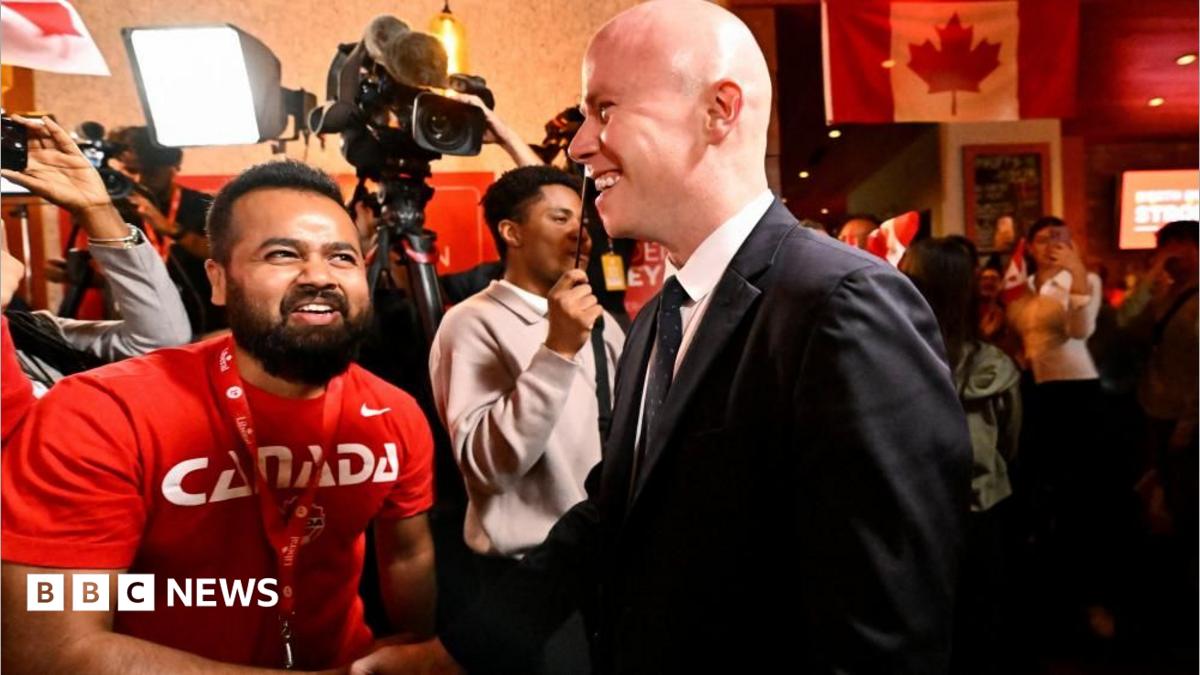
The other major source of strain at the meeting was last week's sudden deterioration in trade talks between the US and Canada.
This quickly descended into the tit-for-tat imposition of tariffs, and President Trump launching various social media jabs before unilaterally redesignating Lake Ontario as Lake America, at least on the books in the US.
Canada's Finance Minister Francois-Philippe Champagne sought to stress that even the recent friction did not impact his participation.
"Canada has always been at the table and constructive, ready to discuss," he told reporters, stressing the need to ensure continued economic growth and "bring back some stability in trade."
If you rely on our team for trusted reporting, please take a moment to select us as your Preferred Source on Google, so you'll always see our verified news first.