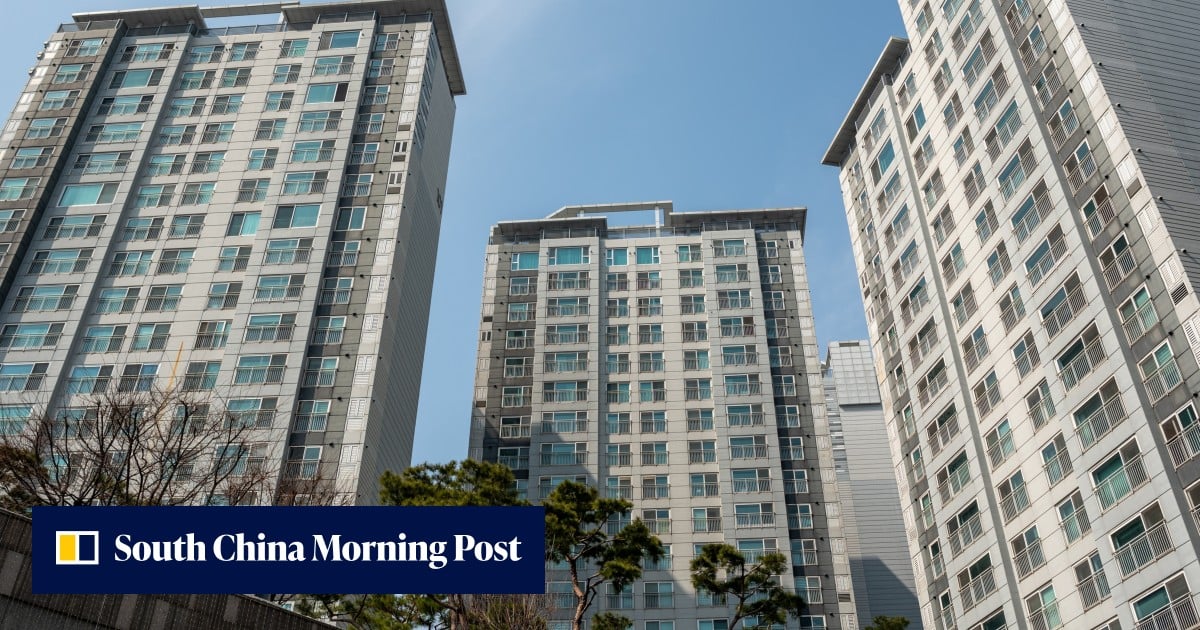
The foreign population in Gangbuk has nearly doubled over the past decade to roughly 7,000 residents
2-MIN READ2-MIN ListenThe Korea TimesPublished: 11:56am, 31 Aug 2026Navigating the intricacies of South Korea’s residential real estate market is notoriously complex even for long-time local residents. For the country’s steadily growing international population, however, steep language barriers, unfamiliar administrative procedures, and unique tenant laws make securing rental housing a particularly daunting endeavour – and one fraught with potential financial risk.To help bridge this informational divide and protect vulnerable foreign renters, Gangbuk, a northern administrative district in Seoul, is expanding a comprehensive municipal programme designed to safeguard foreign residents throughout the housing lease process.
Under the enhanced initiative, foreign tenants visiting local neighbourhood centres to register their move-in address or file for an official “fixed date” status (hwakjeong ilja) will receive automated administrative guidance stamped directly onto their documentation in nine languages. The legal stamp – covering English, Chinese, Vietnamese, Mongolian, Tagalog, Uzbek, Japanese, Taiwanese and Thai – outlines essential protections under the Housing Lease Protection Act.
In the South Korean rental market, obtaining an official fixed date is a critical statutory step that grants tenants legal priority to reclaim key security deposits should a landlord face foreclosure or property auction.
Alongside the multilingual stamps, district offices are distributing QR code stickers linking directly to My Seoul, a dedicated mobile application operated by the Seoul Metropolitan Government. By scanning the code, foreign residents can easily install the application to access multi-language housing guidelines, municipal safety updates and multicultural social services.