Amid China’s annual ‘two sessions’, Wang Kuiran says region will boost legal support for businesses affected by US restrictions
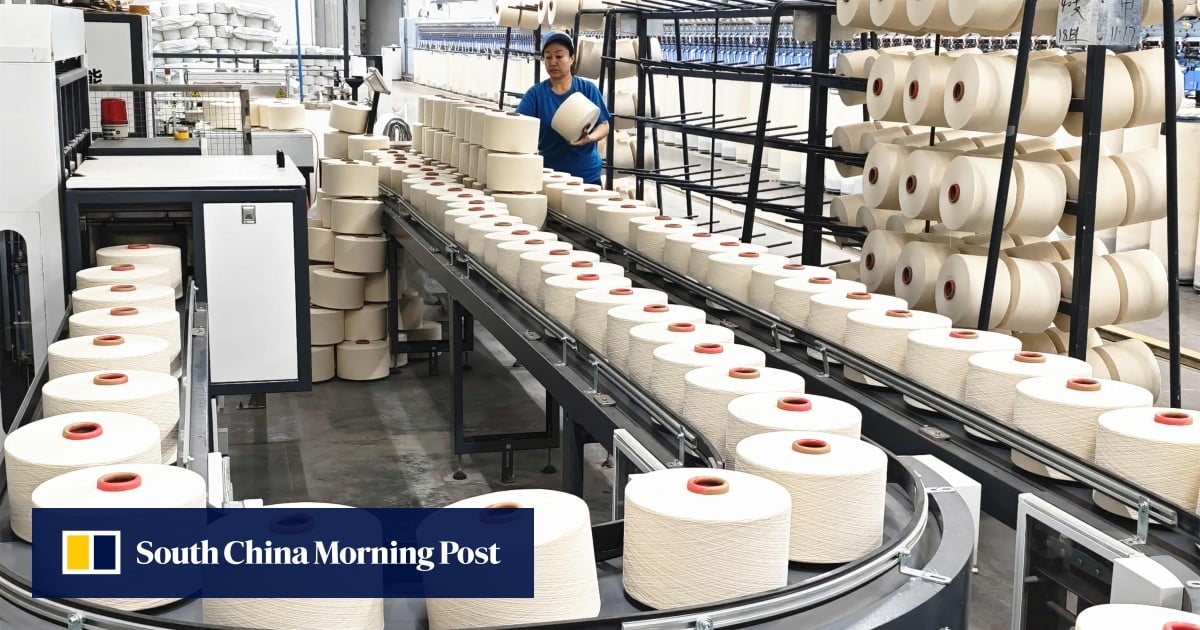
3-MIN READ3-MIN ListenMeredith ChenPublished: 5:42pm, 7 Mar 2026A senior official in Xinjiang said the region’s textile industry expanded last year despite the trade restrictions imposed by US-led sanctions, creating tens of thousands of jobs, while pledging stronger legal support for affected companies to defend their rights and interests.Wang Kuiran, secretary general of the far western Xinjiang Uygur autonomous region government, described the region as resilient as he declared yarn output rose more than 20 per cent in 2025. According to Wang, fabric production increased 36 per cent year on year and the sector – a key target of Western sanctions – created 46,800 new jobs during the year.Wang said China opposed “economic bullying” and would fight back, adding that authorities had recently drawn up a medium and long-term development plan for Xinjiang’s textile and garment industry.
Xi, Biden discuss Taiwan and Xinjiang in first in-person meeting
Xi, Biden discuss Taiwan and Xinjiang in first in-person meetingHis words came at a meeting of the Xinjiang delegation on Friday at China’s annual “two sessions”, the country’s biggest political gathering during which the top legislature and political advisory body meet to review policies and set the year’s agenda.
Wang acknowledged that Western sanctions had had some effect but implied that the region had moved on.
“At the beginning of the sanctions, some export-oriented companies had trouble shipping their products abroad and suffered losses and cut jobs, which created difficulties and challenges,” Wang said.
“But our development has never depended on anyone’s charity, and we are not afraid of unfair pressure. This spirit, deeply rooted in the Chinese people’s history, has helped build a resilience that makes us stronger under pressure.”
The US has imposed sanctions on a large number of Chinese companies over allegations of human rights abuses, which Beijing repeatedly denies.