While the solidarity on display in the wake of the disaster is commendable, the tragedy must not be viewed as an unpredictable, unpreventable act of nature
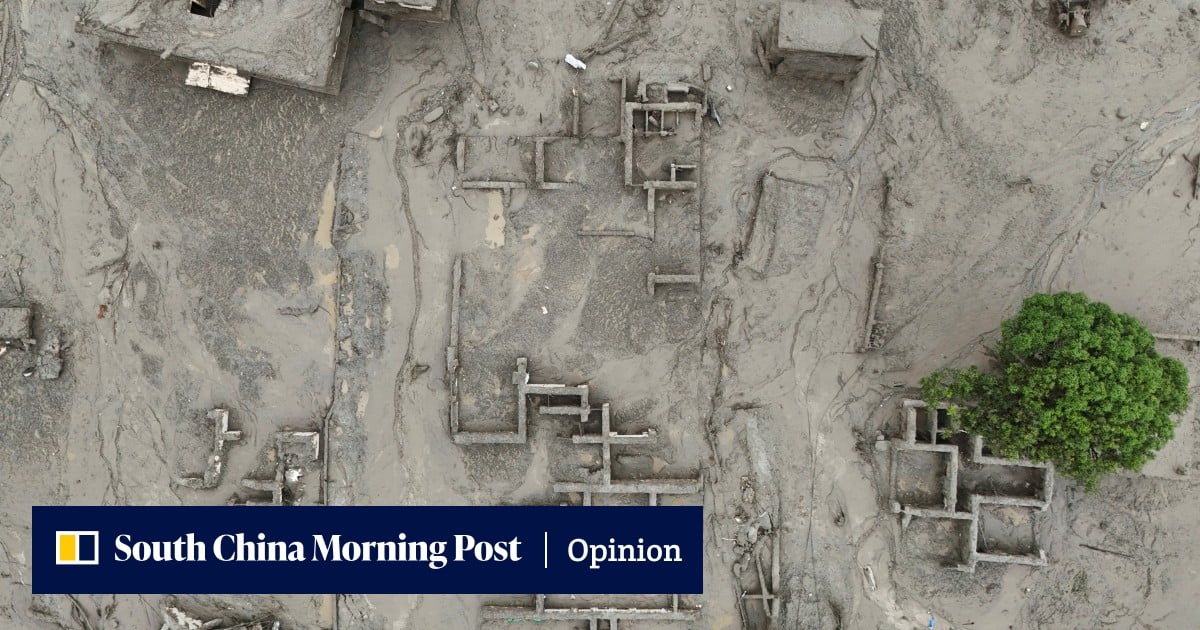
3-MIN READ3-MIN ListenNarayan AdhikariNarayan Adhikari is country director of Accountability Lab Nepal, leading campaigns for civil servants and civic activists. Published: 4:30pm, 30 Aug 2026As the waters of the Bhotekoshi and Trishuli rivers recede, leaving behind mud, debris and damaged infrastructure, a familiar pattern is visible in Nepal. When disaster strikes, the country’s usual political divisions, cronyism and institutional mistrust give way, for a while, to real unity.
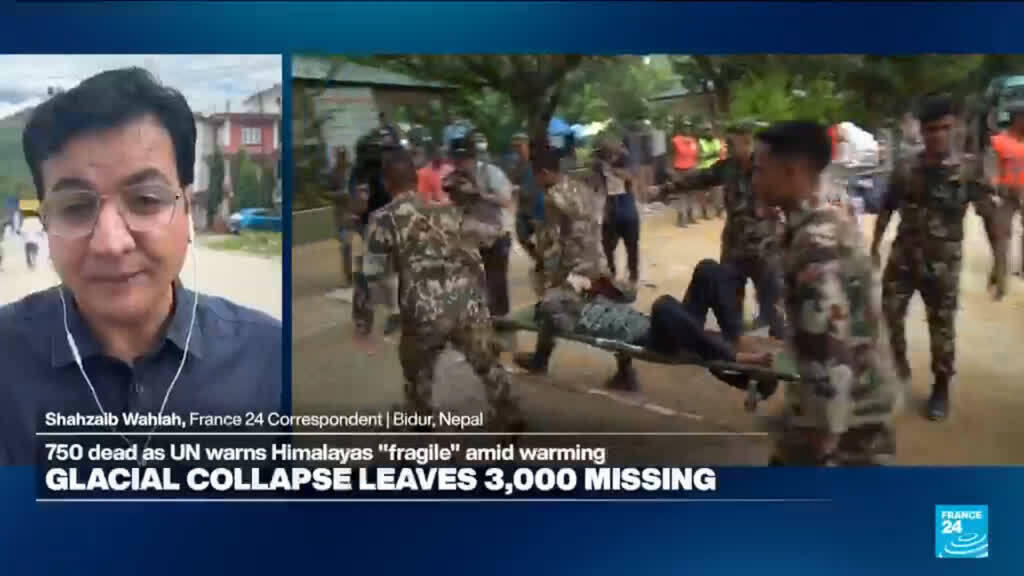
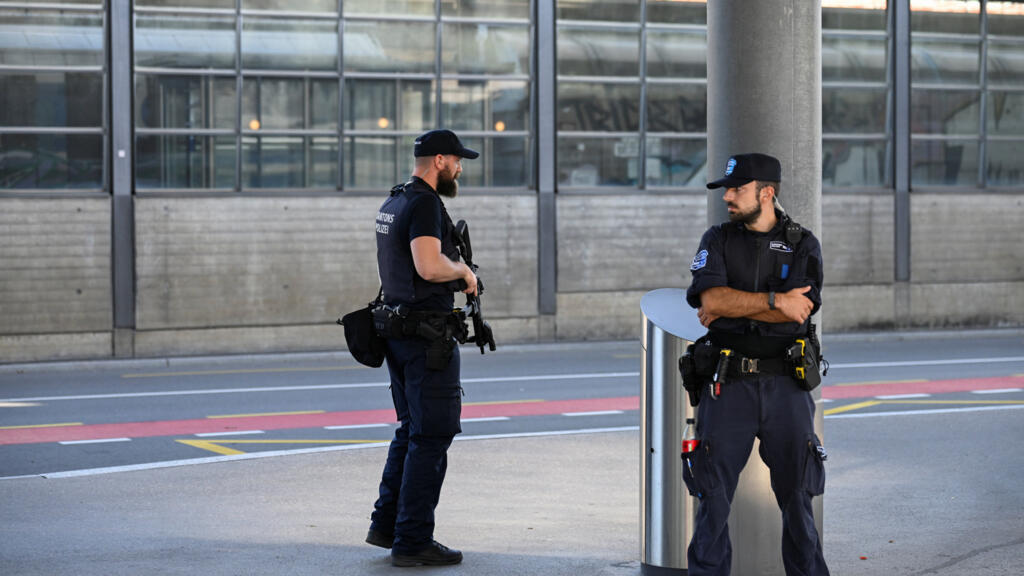
Across party lines, political leaders worked around the clock alongside security forces. Digital channels opened for the Prime Minister’s Disaster Relief Fund, a “one-door policy” was enforced to prevent duplication of relief efforts and telecoms operators made calls and internet free across affected areas. Diaspora communities and local volunteers stepped up alongside the state.
But a familiar governance pattern is at risk of taking hold again: treating this disaster as an unpredictable, unpreventable act of nature.
A natural event – glacier collapse, cloudburst, avalanche or wildfire – is a physical trigger. A disaster is something else. It is shaped by the human choices made around that trigger.
What was first reported as a 4.4-magnitude earthquake was, according to the US Geological Survey, a large mass of rock and ice breaking off a glaciated mountain in Langtang National Park, near the Tibet-Nepal border. The collapse released energy equivalent to a 5.2-magnitude earthquake, releasing a debris flow that travelled nearly 100km downstream.
An unstable lake formed by remaining ice blockages still sits upstream. Emergency readiness now means moving from reactive rescue to continuous, real-time monitoring and staged evacuation planning downstream.