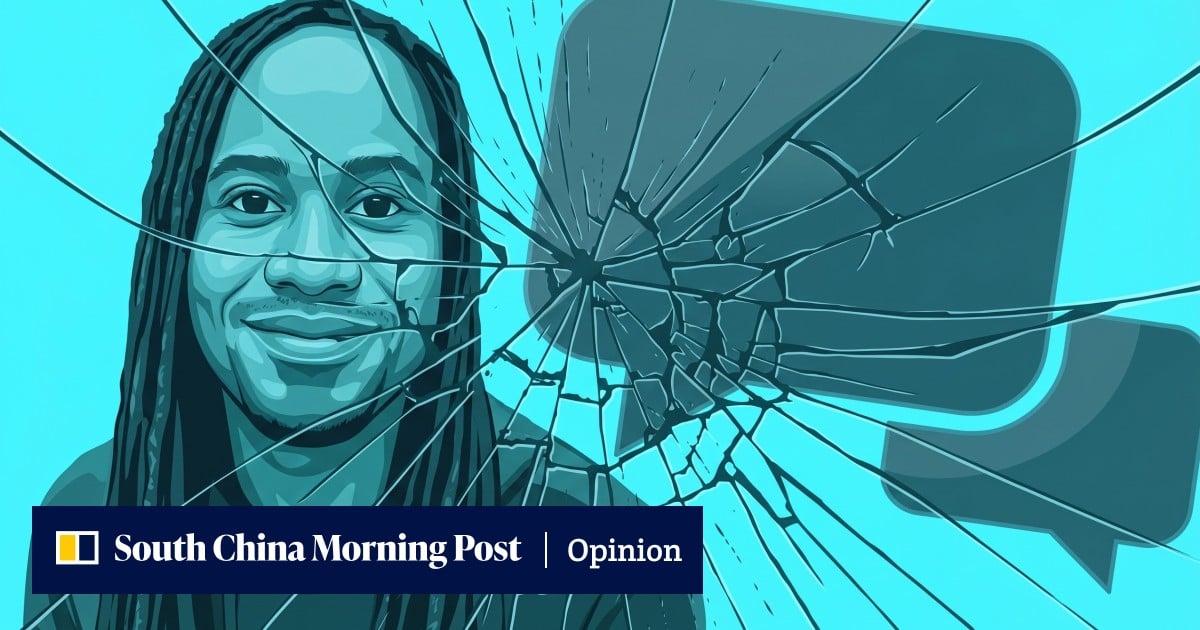
In our globalised knowledge system, his death indicts universities, the press, online mobs – and those of us imagining ourselves safely outside culture wars
4-MIN READ4-MIN ListenShzr Ee TanShzr Ee Tan is the vice-dean of Equality, Diversity and Inclusion for the School of Performing and Digital Arts at Royal Holloway, University of London. Published: 5:30am, 30 Aug 2026Three weeks ago, I watched with horror the car crash of Cambridge professor Jason Arday’s public unravelling.
I had heard Arday speak at my university. Less fiery preacher than community worker, he seemed friendly, quietly listening, even awkward. I did not know him, but could not reconcile that man with the monster, martyr and morality play constructed around him.
I also had a selfish, perverse thought: what if this happened to me? Ethnic minority academics I spoke to shared the anxiety; several disclosed less public but no less relentless, targeted harassment themselves, by agents backed by insidiously larger legal, financial and networked resources. Many colleagues of colour are afraid that speaking up will draw attention to their own records and private lives.
Readers in Asia may cast this aside as a black-and-white drama of the “woke West”. Yet every aspiration to international standards, academic arrival or a place on “the global stage” implicates us.
I am a non-white Chinese transnational scholar, albeit privileged, who writes about race and decolonisation. I have produced books, articles and far too many PowerPoint presentations with malapropisms and charmingly primitive infographics. Somewhere are phrases I would now qualify, poorly formatted references, perhaps even an unwise semicolon.