From law enforcement and public education to promoting accessibility and workplace inclusion, the EOC marks three decades of putting equal opportunity into practice
3-MIN READ3-MINAdvertising partnerPublished: 10:00am, 28 Aug 2026[The content of this article has been produced by our advertising partner.]
Thirty years after Hong Kong established a statutory body to combat discrimination, equal opportunity has become increasingly embedded in laws, workplaces and community.
As the Equal Opportunities Commission (EOC) marks its 30th anniversary this year, its record offers much to reflect on, but the work is far from finished considering the challenges brought by changing social needs.
Following the enactment of the Sex Discrimination Ordinance in 1995, the EOC was established in May 1996. Over the past three decades, it has implemented and enforced four anti-discrimination ordinances covering sex, marital status, pregnancy, breastfeeding, disability, family status and race, while carrying out policy advocacy, public education and community engagement.
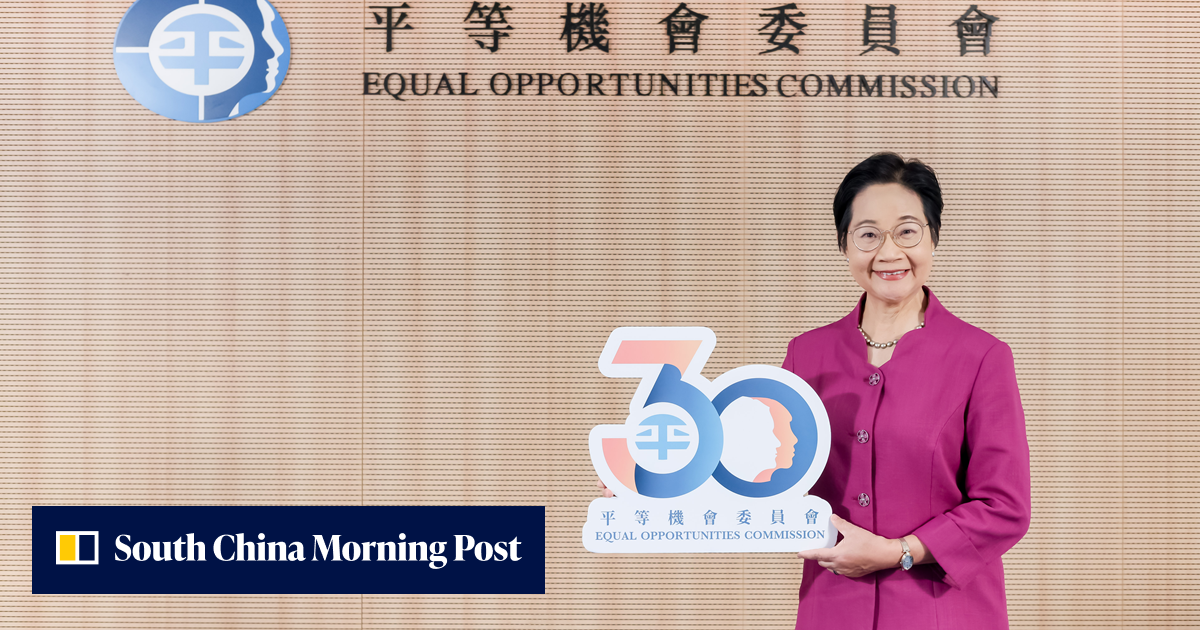
Linda Lam Mei-sau EOC Chairperson said, “The anniversary offers us a moment to reflect on the EOC’s sustained efforts and achievements, and consolidate our experience to respond to increasingly complex social needs.”
The figures give some indication of the reach of that work. As of end-2025, the EOC had handled 22,548 complaints and secured more than HK$134mn for complainants through conciliation or legal assistance.
Some of the most important changes are harder to capture in numbers, says Lam. Years of law enforcement, education and advocacy have raised public awareness and more importantly helped equal opportunity values gradually take root across the community and translate into tangible social change.
A case in point is gender-specific recruitment advertising. When the EOC was established, job advertisements explicitly stating a preference for male or female applicants were common. Through education and reminders to publishers and advertisers about their legal responsibilities, such adverts fell to below 1 per cent within a relatively short period and have remained rare to this day.
Legal safeguards have also been strengthened over the years. Amendments to the anti-discrimination ordinances have introduced protection against breastfeeding discrimination and harassment, sexual harassment of service providers by customers, and sexual, disability and racial harassment among workplace participants without a direct employment relationship.
Putting accessibility into practice
Accessibility provides another good example of how advocacy and research can lead to concrete action.
Between 2007 and 2008, the EOC inspected 60 publicly accessible premises to identify barriers faced by people with disabilities and gather responses from premise owners and managers. The work led to the 2010 “Formal Investigation on Accessibility in Publicly Accessible Premises”, which put forward policy and operational recommendations to the Government.
A HK$1.3bn retrofitting programme covering 3,500 government premises and facilities followed, while accessibility was improved at around 240 Housing Authority properties. Accessibility coordinators and officers were also appointed, and the Universal Accessibility Programme was further introduced in 2012 to improve access to public walkways.
While some discriminatory practices are outright and easy to spot, dismantling subtle biases embedded in routine working practices demands true cultural change.
According to Lam, family-friendly employment is an area where further effort is needed. Many organisations, she notes, still lack formal policies supporting employees with family responsibilities and may regard such arrangements as optional staff benefits. Traditional gender roles and bias towards working mothers can also affect career opportunities.
Such barriers require workplace culture and practice to change in conjunction with legal protection. The EOC has been working with organisations from various sectors to promote the importance and benefits of fostering inclusive and respectful workplace cultures.
The EOC’s Racial Diversity and Inclusion Charter for Employers encourages businesses to promote racial diversity and inclusion in the workplace, while the “Safe Spaces for All: Anti-Sexual Harassment Community Partner Programme” provides structured training on legal protections and prevention strategies. Participants from 17 organisations are encouraged to bring anti-sexual-harassment awareness back into their own organisations.
Education remains vital to driving cultural change and shifting societal perspectives. Since 2001, more than 480,000 participants from companies and organisations have attended EOC training programmes on equal opportunities.
As the EOC enters its fourth decade, Lam sees greater value in working closely with different sectors across the region.
That forward-looking vision guides the EOC’s 30th anniversary campaign, “30 Years of Building a Vibrant City Through Equality”.