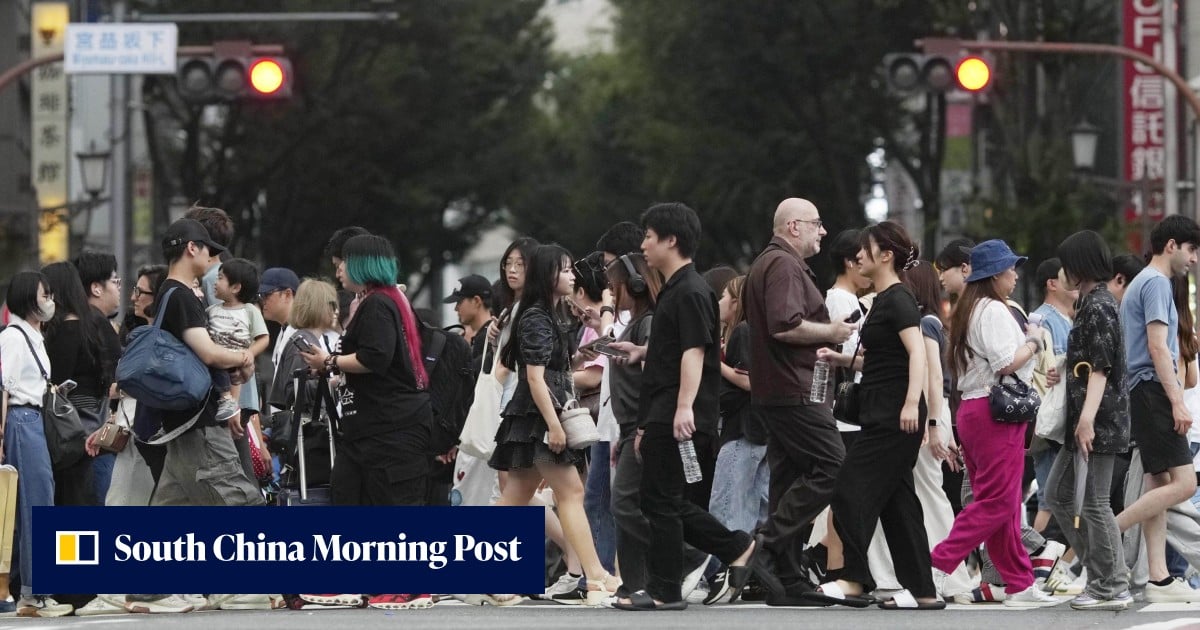
The weak yen, rising costs and uncertainty over immigration rules have made staying long term in Japan difficult for foreign workers
4-MIN READ4-MINSam BeltranPublished: 10:00am, 28 Aug 2026When Japan’s embassy in the Philippines extended applications for healthcare jobs on April 15, the pitch was straightforward: 50 positions for nurses and 300 for care workers in Japan, a three- to four-year placement, free Japanese-language lessons in both countries and a daily allowance during training.On social media, the post’s attractive terms drew widespread interest from Filipinos – a reminder that Japan is still urgently recruiting foreign labour even as Prime Minister Sanae Takaichi’s administration, amid growing political pressure over foreign residents, moves to make it harder for migrants to settle long-term.The need is especially acute in care work: Japan will require about 2.72 million care workers by financial year 2040, roughly 570,000 more than in 2022, according to Ministry of Health, Labour and Welfare estimates, while one think tank projection has warned the country could be nearly 1 million foreign workers short by then if current inflows continue.
For the Filipino care workers, nurses and other professionals who came to Japan seeking greener pastures, the contradiction has become personal: the country needs them, but high living costs, a weak yen and uncertainty over immigration rules make it harder to imagine staying long-term.
Job Galutan Andawey, a licensed nurse from the Philippines working as a carer in Kanagawa prefecture, is in his sixth year in Japan after arriving through the Japan-Philippines Economic Partnership Agreement, a treaty that includes career placement and language training programmes for nurses and care workers.
“I chose Japan because I was influenced by Japanese culture. I dreamed of working here in Japan since I was little,” Andawey told This Week in Asia.