Add The New York Post on Google The frigid waters of the North Atlantic are becoming a tropical aquarium.
New York residents may be fleeing to Florida in droves, but the Sunshine State’s aquatic inhabitants appear to be heading in the opposite direction.
Warming waters off of the Big Apple coastline, traditionally synonymous with striped bass and fluke, have lately been attracting a “McElligot’s Pool”-worth of mahi-mahi, tarpon, and even monstrous sharks from down South.
And amateur Tri-State anglers are scrambling onto boats — hoping to get these exotic fin-vaders to bite.
Arthur Cortes, head of NYC’s Cortes Outfitters, who leads trips into the briny depths starting at just over $600 for a half-day voyage for up to three people, said he’s never seen anything like the shift, in his 30-plus years of fishing Gotham-adjacent waters.
“When I started chartering, I never would’ve thought I would’ve been chasing [these species] inshore,” The Bronx bait slinger told the Post.
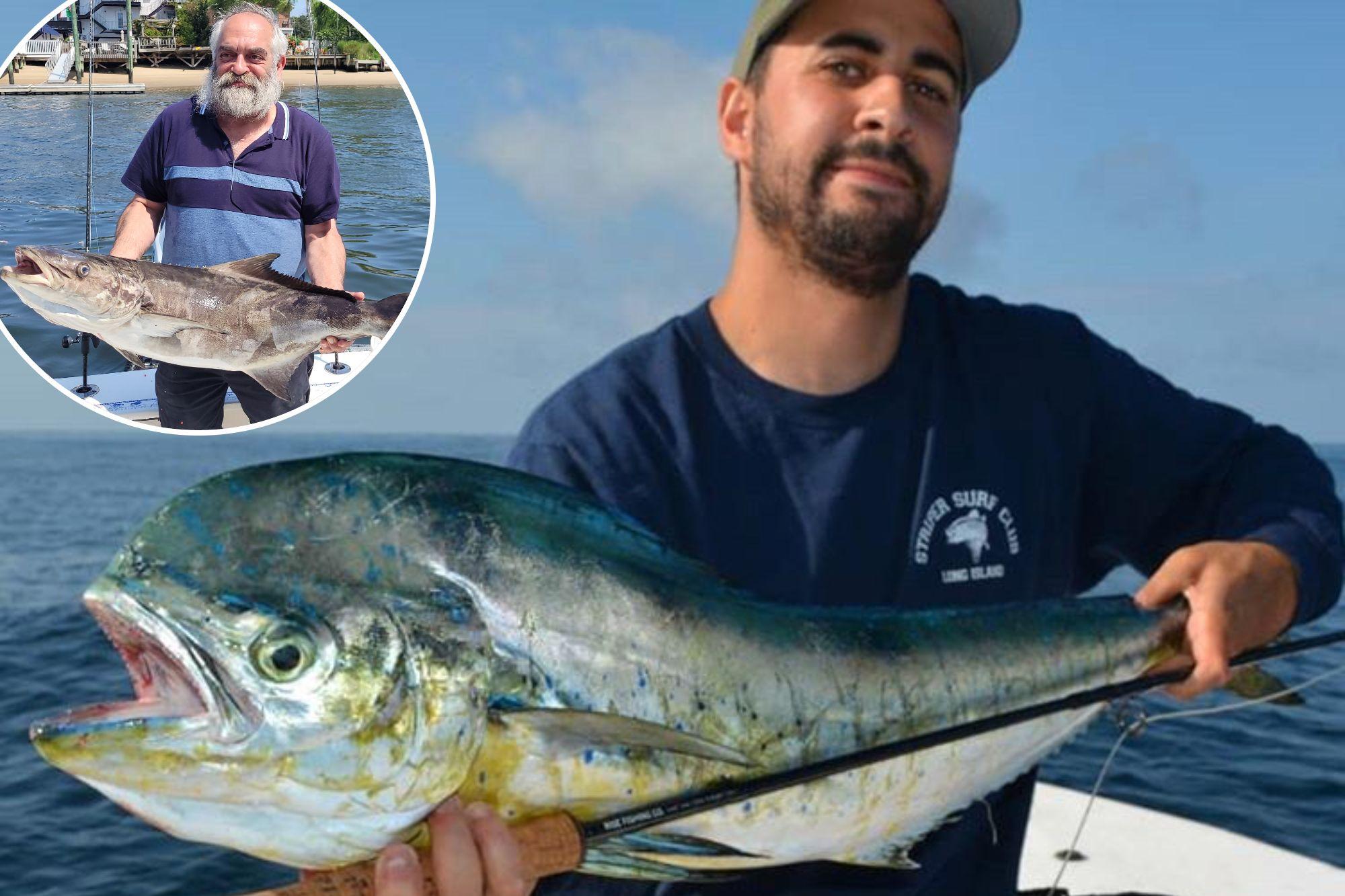
On a trip led by Cortes just weeks ago, The Post encountered schools of mahi-mahi — a vibrant sport fish more closely associated with Baja California and the Florida Keys — just ten miles or so off of Jones Beach and within sight of the Manhattan skyline.
This reporter only snagged the fun-sized version of this acrobatic, electric-green and gold gamefish more typically found on pricey restaurant plates in Manhattan than off its shores.
But Cortes said his clients have caught 15-20-pounders — while he recalled one angler who snagged a 60-pound bruiser while reeling in a fluke.
“I’ve caught 20 mahi in one trip,” he boasted. The charter boater said the hatchet-headed predators started appearing in catchable numbers shortly before the pandemic.
“If I know they’re around, then I’ll start calling my list of clients,” he said. “They definitely want to go for them — just for the uniqueness and the cool factor.”
Known as a pelagic, or an open ocean species, they’re rarely found this close to shore — and until now, rarely this far north.
Mahi aren’t the only delicious invaders finding themselves liking the life north of the Mason-Dixon lately.
Cobia, a black and white marauder that’s more common down South, is increasingly being hooked near Northeast shores from Jones Inlet, Long Island to New Jersey and everywhere in between.
It is essentially the deluxe version of its close relative, the remora — the flat suckerfish known for scavenging the scraps left by sharks and other predators.
Karen Ann Charters Captain Vinnie Calabro, a 50-year veteran of New York’s fishing scene, started pursuing them several years back during a glut.
“They’re just great fish to catch. They fight,” the Brooklynite told the Post, adding that unlike in Florida, his catches up North all appear to be “trophy”-caliber. His biggest was a 70-pounder caught by an “elderly Jewish man” who’d never fished before.
For Calabro, who also offers Mahi trips, cobia offer a budget alternative to bluefin tuna, the giant, sashimi-grade gamefish that’s become something of a white whale for Big Apple anglers.
For reference, a bluefin charter trip — which can involve sailing quite a ways off shore — can cost $1,500 compared to $900 for several anglers for one of the cap’s near-shore outings.
“A guy that’s on a budget that can’t run a hundred miles to get tuna, [this is] an inshore fish that you can target,” he said. It also gives captains an exciting new quarry to pursue between the Spring and Autumn striped bass seasons that are Northeast charter boats’ bread and butter.
What’s causing this great Northern migration? John Waldman, an aquatic conservation biologist at Queens College CUNY, says it’s all about the warming waters.
Waldman published research back in 2024 examining the northward expansion — writing that NY’s summer water temps have increased by more than 2°F in just over 20 years — five times the rate of ocean warming worldwide.
“Summer lasts a lot longer now. The waters don’t really cool off much,” he told The Post, adding that increasingly hospitable conditions could eventually allow exotics to establish breeding populations — just as local striped bass populations face a spawning recession.
Waldman’s already noted oddities such as the gleaming, ribbon-like Atlantic cutlassfish in Jamaica Bay while Long Island waters have been visited by Atlantic tarpon — the pride of Southeastern sportfish that can grow over eight feet long and weigh up too 300 pounds.
And those aren’t the baddest marine migrants prowling Big Apple waters. Anglers across the Tri-state area are bagging a murderer’s row of “man-eaters,” including tiger sharks off beaches in Massachusetts and New Jersey, and an unprecedented number of bull sharks.
“This year they exploded,” a local shark fisherman named Justin, who didn’t want his last name published, told the Post. “In a month, I got five. These are my first bull sharks ever in New York.”
He claimed that these toothy titans, which he caught off of Rockaway, ran hundreds of pounds with the largest measuring close to nine feet long.
These toothy predators might be too daunting for the casual angler, but anyone can try their hand at the smaller exotics.
For mahi, which can linger until October, Cortes advises casting bait and lures around buoys and other structures in untainted, blue water.
But be sharp, as dolphinfish are wicked quick, capable of bursts of over 50mph — five times faster than a striped bass. Cortes recalled a customer who hooked one on a fly rod and immediately saw the fish leap about 200 feet from where the line hit the water, initially making them think it was another fish.
“It was just one of the cool moments that you realize how fast the mahi is,” he said.
Anglers lucky enough to land one can enjoy a fish that, as this reporter can attest, has a sweet, mild flavor and moist, flaky flesh. Cortes recommends pan searing them with oil, salt and pepper, and making them into “a taco.”
Bagging the equally tasty cobia, per Calabro, can involve spotting and casting at them with either a lure or live menhaden or bunker. “When you fish for those cobia in the bunker pods, as soon as you snag a bunker, you’re in,” Calabro declared, adding that they’ll zero in on that “crippled bunker” like a “kamikaze.”
Unfortunately, the cobia fishery has taken a bit of a hit of late, which Calabro blamed on foreign fishing vessels overharvesting bunker, the foundational baitfish of the Northeast ecosystem.
During the bunker boom of 2021, the seasoned sea dog recalled nabbing up to a dozen cobia a day; now you might have to catch a dozen sharks before you snag “one” — if you’re lucky.
Nonetheless, locals hope to surf this tropical wave for as long as possible.
“If you fish all the time, fishing could get mundane with the same species,” said Cortes. “When you throw in a different species into the mix, it makes it more exciting for the anglers.”