Add The New York Post on Google It’s a bad trip!
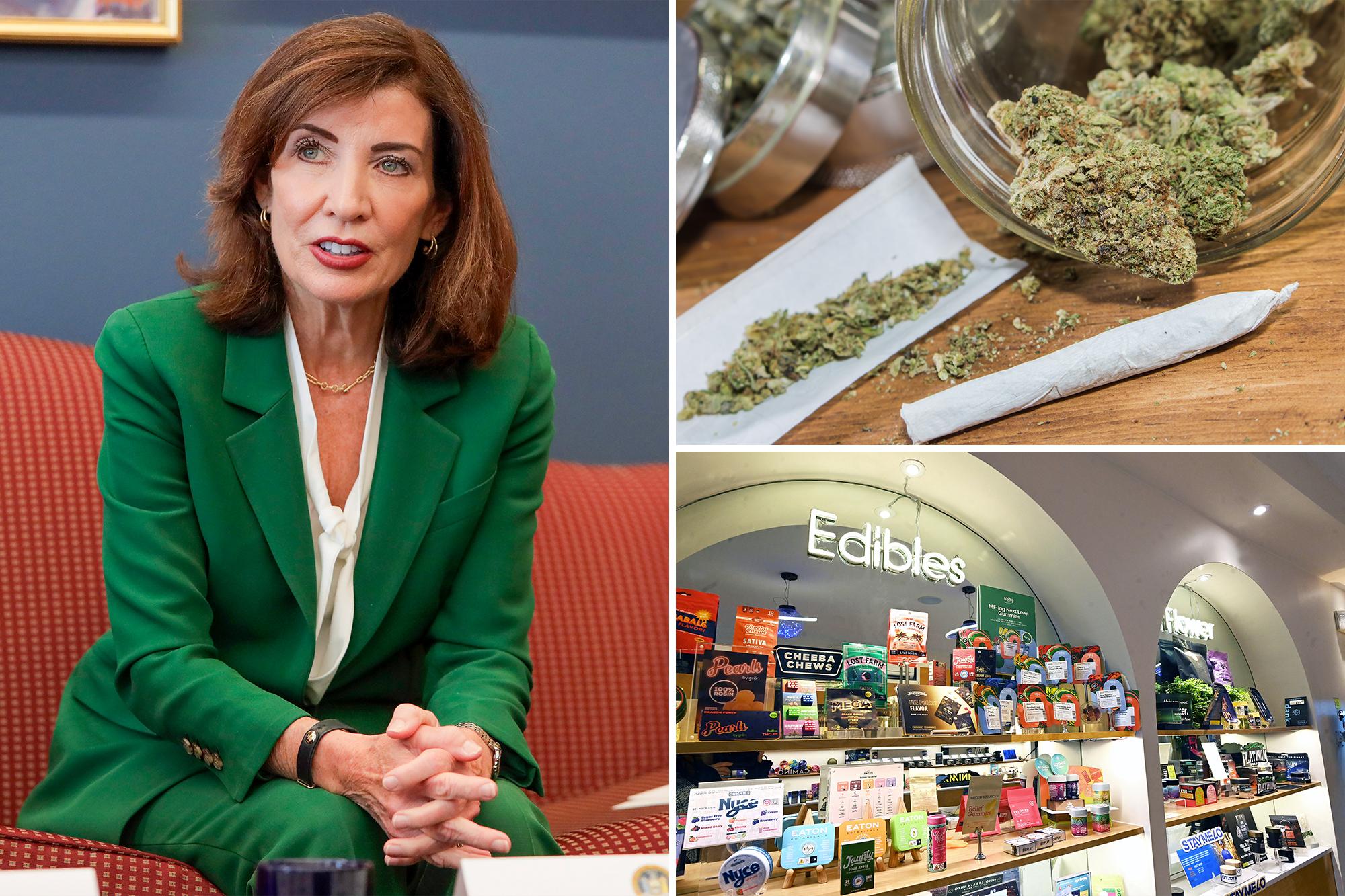
Licensed marijuana merchants are urging Gov. Kathy Hochul to slap down legislation that would create a state cannabis industry wage board, calling it a Big Labor power play that would send weed prices sky high.
Advocates of New York’s already-pricey legal weed industry said a wage board would harm licensed pot growers and shutter retail shops run by minorities, individuals convicted of weed offenses during prohibition, women and disabled vets — the groups the 2021 law, which legalized recreational cannabis, intended to help.
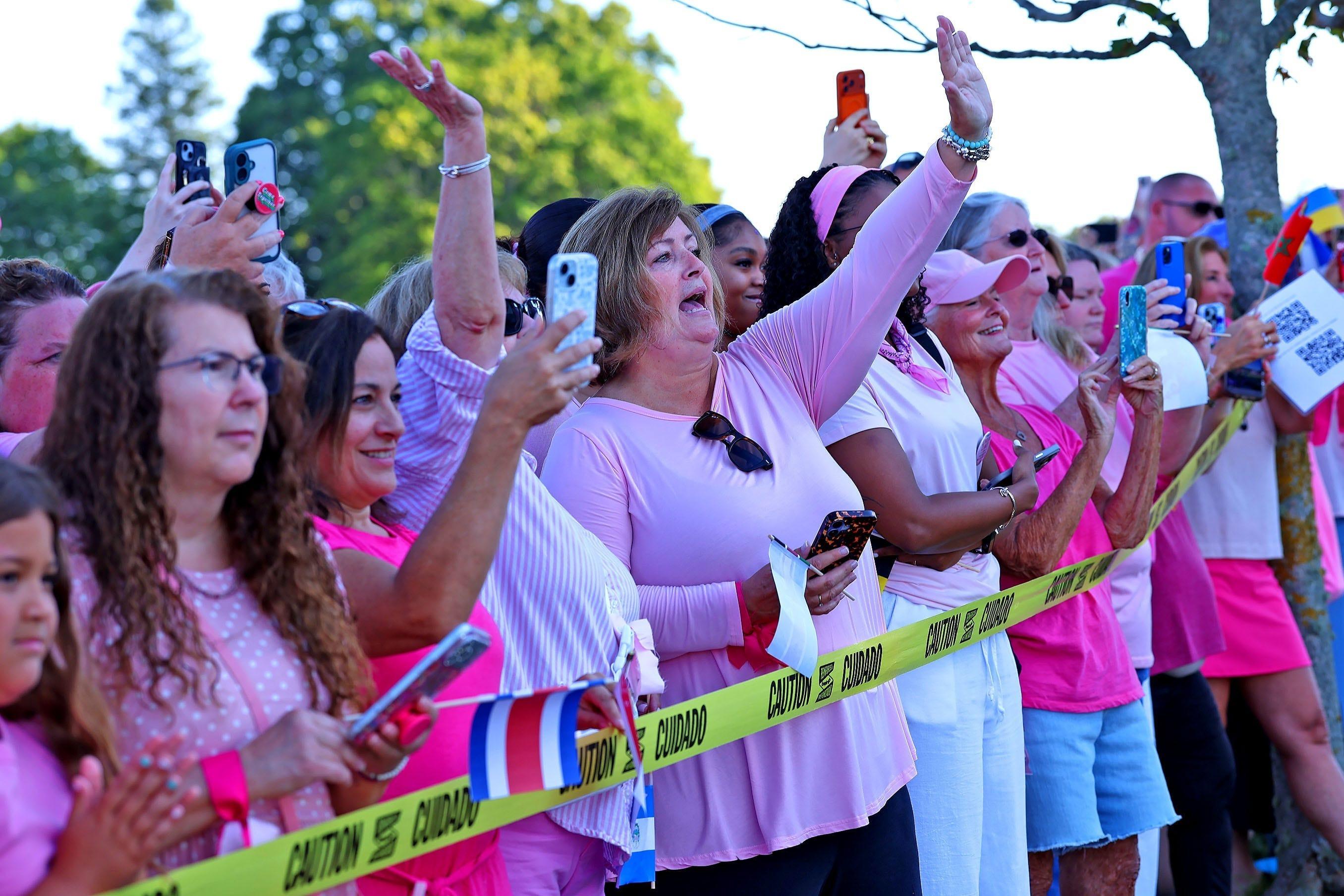
The Safe Affordable Cannabis New York coalition plans to start handing out stickers Wednesday at the New York State Fair in Syracuse that read: “Tell Gov. Hochul to STOP the Weed Price Hike.”
Each sticker features a QR code directing consumers to a website — KeepNYCannabisAffordable.com — where they can send a message demanding the governor veto the legislation.
Licensed cannabis businesses are required to have “labor peace agreements” giving employees the right to organize under the current law. But recent court rulings indicated those mandates conflict with federal law, and creating a wage board is another way for unions to influence salaries for legal pot workers.
Cannabis industry officials also warned the legislation is a move by Big Labor to try to grab a chokehold of the legal weed market.
A rep from the AFL-CIO would have a seat on the 3-member wage board, along with a rep from the cannabis industry and an appointee of the state Labor Department commissioner.
The panel would recommend wages for all aspects of the industry.
“When Albany passes laws that raise prices, our communities lose and the illicit market wins,”said Osbert Orduña, founder of The Cannabis Place in Queens and chairman of the Safe Affordable Cannabis New York coalition.
“If Gov. Hochul signs this bill into law, businesses will close and hardworking New Yorkers in the cannabis industry will lose their jobs. … All this does is drive customers to the illicit market run by the international drug trafficking cartel.”
Budtenders working in cannabis retail dispensaries are roughly pulling in $25 an hour, excluding tips that they also receive, according to Orduña, who added that he doesn’t see the need for Albany to intervene.
The cost of legal weed is already high in the Empire State, with distributors paying a 9% fee when selling to a retailer, and merchants collecting a combined 13% tax — 9% to the state, plus 4% for local governments — on the sale to customers.
And research by the International Journal of Drug found that a 10% cannabis tax increase reduces legal sales by 12.6%, and a 10% price increase cuts legal sales by 18%.
Mario Cilento, president of the New York State AFL-CIO, which represents 2.5 million members — including cannabis workers — defended the push to form a cannabis wage board.
“We simply want to ensure that employers in the cannabis industry pay adequate wages and benefits,” Cliento said.
“And it’s also important that we meet social equity and economic development goals.”
But marijuana growers are also pushing back against the wage board.
“New York’s cannabis farmers have invested heavily to build a legal industry under some of themost demanding regulations in the country,” said Joseph Calderone, chief operating officerof Grateful Valley Farm, co-founder of the Cannabis Farmers Association in upstate Corning.
“We can’t simply absorb another layer of costs.”
Start your day with all you need to know Morning Report delivers the latest news, videos, photos and more.
The dispute is just the latest controversy to dog the rollout of the legal market.
Delays in approving and opening dispensaries allowed hundreds of illegal operators to fill the void and flourish, while fuming licensed pot farmers were stuck with hundreds of pounds of spoiled marijuana crops.
Slow-to-respond bureacrats and regulators took years to rein in the illicit storefronts.
The overwhelmed state Office of Cannabis Management was riddled with turmoil in its infancy, which triggered the exodus of two CEOs and a scathing audit by Hochul’s office after the gov slammed the legal launch a “disaster.”
Last year, OCM officials admitted they mistakenly calculated the distance rules for separating weed shops, a goof that required the state Legislature to step in.
The agency was also sued for discriminating against disabled military veterans who are among the class of citizens first in line to obtain licenses.
A Hochul spokesperson said the governor is reviewing the bill.
One of the unions representing cannabis workers, Local 338 of RWDSU/UFCW, had no immediate comment.