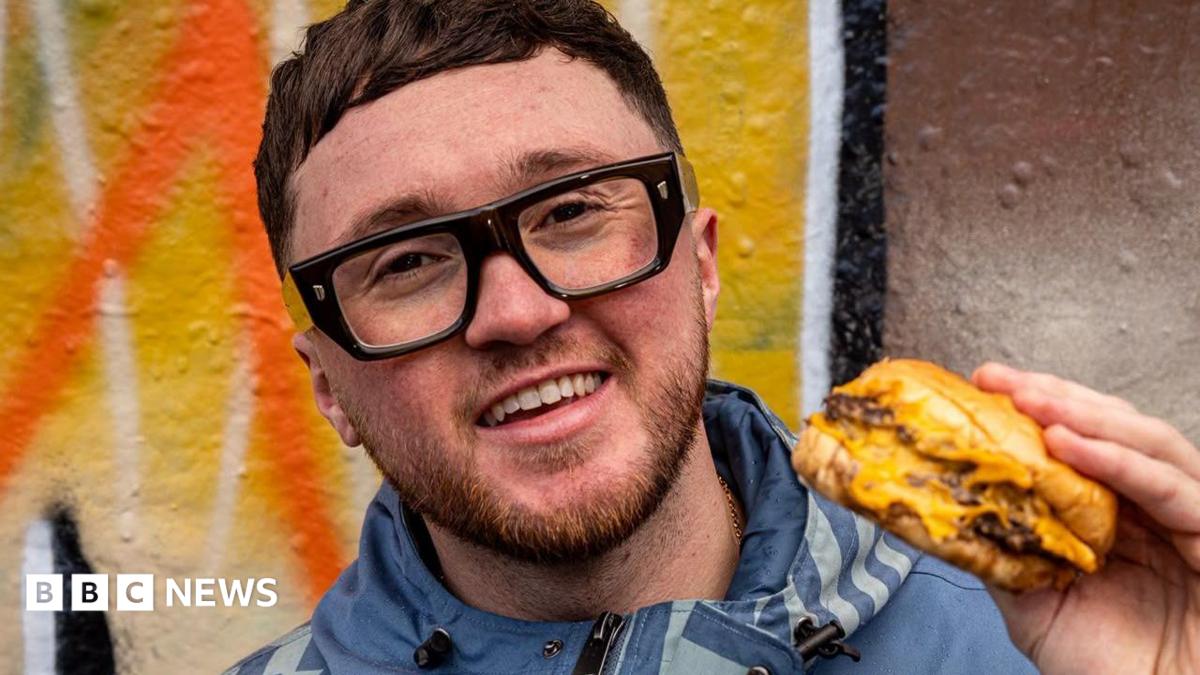
Image source, Oscar BostockImage caption, "Creators certainly have an influence on how people go out to eat, for sure," says Bristol influencer Oscar Bostock
When stuck for ideas about where to eat on a Friday night or torn between takeaways, more and more people are turning to social media and their favourite content creators for inspiration.
Research by one Bristol food writer has raised questions about transparency, with some creators guaranteeing positive coverage in advance and offering not to make clear their review was in exchange for a free meal.
Those promises of good reviews were made before they had eaten a bite - or realised the restaurant they had been asked to promote did not exist.
So can diners trust influencers to give an honest opinion and what is their role in shaping where we eat? We asked people in the food scene to share their thoughts.
Strangers at festival help autistic man realise dream
She messaged 48 influencers asking how much they would charge to make content, what would guarantee positive coverage and whether they would declare it an advert.
After receiving 33 responses, she said the prices quoted by influencers varied widely. Some said they would post in exchange for free food and drink, without an extra payment on top - and five of those said they would post without labelling the content as an advert.
UK advertising rules state paid posts must be clearly marked with #ad or a platform's paid partnership feature. This includes free meals in exchange for posts.
Houghton-Gilmour added the requests she sent out had created a swell of "misleading" positive noise on social media around the upcoming opening.
"I realised how insular and repetitive it is. Everyone going to the same places, saying the same thing," she said.
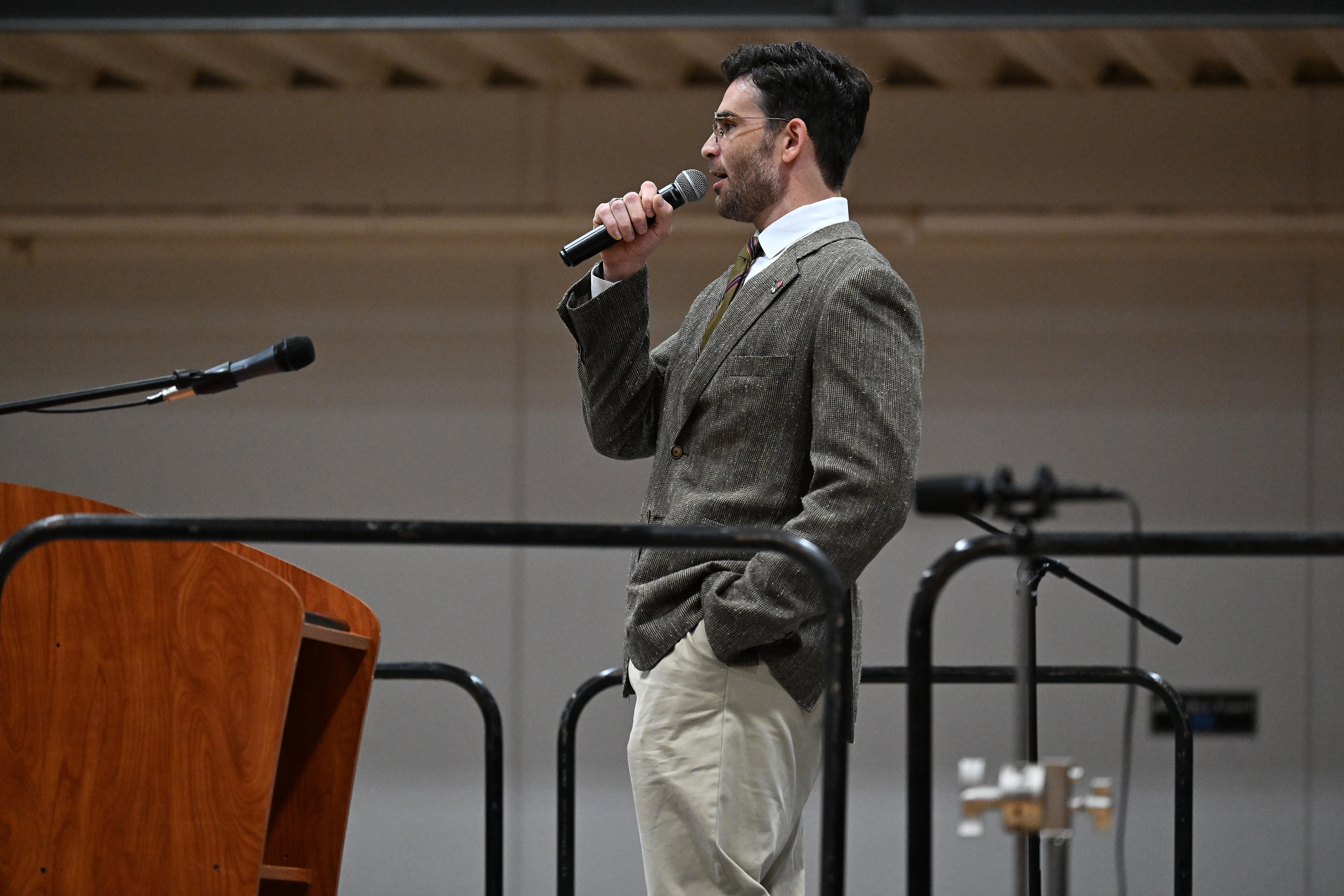
Image source, Meg Houghton-GilmourImage caption, Meg Houghton-Gilmour said her research offered "a fascinating insight" into the world of influencers
With more than 135,000 followers on Instagram, external and millions of views on TikTok, external, Oscar Bostock, also known as Bos Finesse, is a driving force as a food creator in Bristol and said becoming an influencer was a "no-brainer".
"There are food creators in the social media space, like myself, who do have a lot of credibility. But we need to respect the culture a bit as well.
"You'll never beat the people that write about food for a living. I don't really like to review and criticise food - I'll leave that to the professionals.
"At the same time, you need people here like myself to just celebrate food," he adds.
Bostock says authenticity is very important to him, and told the BBC there are many places he has said no to reviewing or reflecting.
"It's worth explaining it, being paid for a restaurant to say, 'this is good' is completely different to being paid to promote a new menu or venue.
"I feel very strongly about it, anywhere I work with had to be a place I actually valued and would visit in my own time."
Image source, Jay RaynerImage caption, Consumers needed to know whether someone had paid for the meal they were talking about, said food critic Jay Rayner
Food critic Jay Rayner, who writes for the Financial Times, believes his role is to write "as interesting, entertaining [and] truthful column" as he can.
"I don't think there's much truth in the idea that the newspaper critic is dead," he said. "What I see happening is an awful lot more media around restaurants, full stop.
"I know, anecdotally, that a good review from me still results in many bookings, which is lovely - but it's not actually a concern of mine."
He said people sometimes ask if influencers "pose a challenge to what you do".
"My response is, 'only if it's better than what I do'," said Rayner, stressing his authority as a critic is not unassailable. "I do not have a right to my lofty perch."
Rayner said newspapers such as the Financial Times would "pick up the bill" for critics writing reviews, whereas a lot of influencers were invited to eat for nothing, which is something consumers should be aware of.
"That does undermine the credibility of the review," he said. "[But] you know, we're all celebrating the culture of eating food and eating out."
Image source, Adam ArmstrongImage caption, Chef Adam Armstrong said influencers, like critics, offer an opinion which "you don't have to look at"
Adam Armstrong, head chef at Bath's Emberwood, said the sort of promotion restaurants received from influencers was something the industry would have been "screaming out for" years ago.
"If you make a bit of noise here or there, it just puts you on the map," he said.
He acknowledged many people had a "negative" view of food creators, but added: "People give them too much reverence in the first place. They're just people with an opinion."
The Nook Cheltenham, in Gloucestershire, has worked hard at being Instagram-friendly, currently boasting more than 11,000 followers.
Director and founder Edward Surman said: "Social media is a place where brands can alter their own story - where it's not moved around by the press."
Surman maintains influencers are not replacing food critics, but more of an "augmentation".
Image source, Baljinder Kaur Sangha-GillImage caption, Baljinder Kaur Gill said influencers had opened up the conversation about food
Wiltshire-based food influencer Baljinder Kaur Sangha-Gill, also known as The Authentic Punjabee, says her pages have moved beyond a list of recommendations and have come to represent a community of friends.
"Influencers haven't replaced critics. We've just opened the conversation about food," she said.
"Years ago, when you were looking for a restaurant or recipe, you'd wait for the Sunday paper. Now you can just go onto TikTok."
But she cautions not everything on social media is reliable.
"People will get free things to promote something. You've got to be aware of that. I'm very careful with that, I don't lie to my followers," she added.
Following her research, Houghton-Gilmour added: "Influencers are a symptom of the society and tech world we live in - not the problem. It's the tech billionaires making it unclear what's an ad and what's not."
She said the problem was not people making content but the lack of transparency, although she accepted that was not true of all influencers.
Contact formContact formFollow BBC Bristol on Facebook, external, X, external and Instagram, external. Send your story ideas to us on email or via WhatsApp on 0800 313 4630.
Food reviewer's 'hidden gems' gain 22 million likes
Call for food influencers to post 'more honest' reviews