New York Post Composite/Little Spoon See more of our coverage in your search results.
Add The New York Post on Google Everyone wants to feed their baby the best, but for new parents, it can be difficult to know what to look for when choosing the right formula.
While the concept of a “clean” formula is more of a marketing term than a federally defined standard, there are several certifications, testing practices and ingredient standards that many parents consider when evaluating infant formula brands.
For guidance, The Post consulted Katie Larson-Nath, MD, FAAP, a pediatrician and member of the Committee on Nutrition at the American Academy of Pediatrics. She emphasized that the most important consideration is choosing a formula that meets federal safety requirements
“All formula should be registered with the FDA, which has the most comprehensive screening process for formulas available in the United States,” Larson-Nath explained.
While FDA registration is a good starting point, many parents also weigh additional factors when selecting a formula, including whether it’s certified organic, independently tested for purity and contaminants such as heavy metals, and made without certain additives.
Below, we’ve rounded up five well-regarded infant formulas that are frequently considered “clean” options based on those criteria.
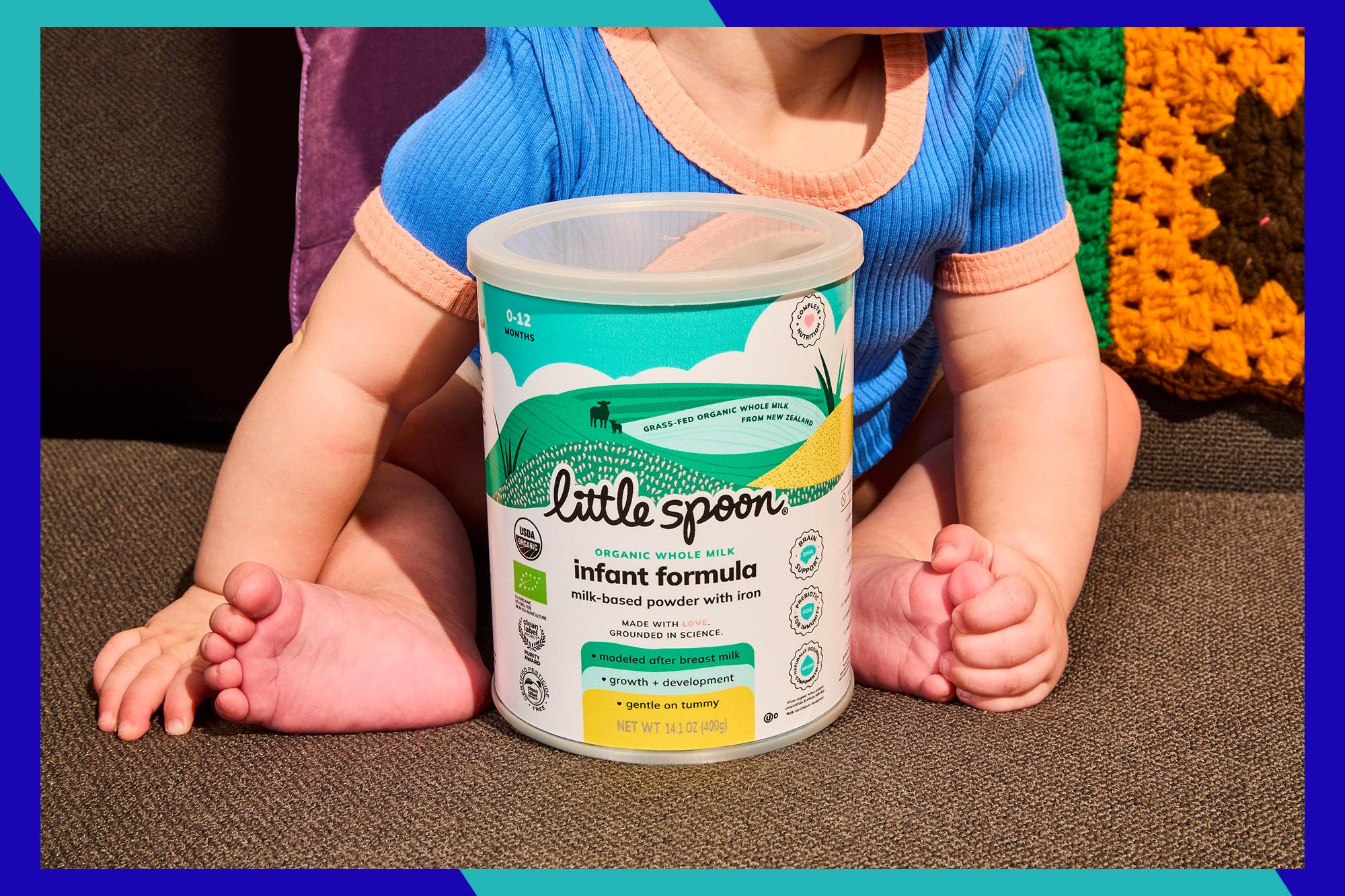
For parents looking for a formula made with thoughtfully sourced ingredients and without unnecessary additives, Little Spoon’s Organic Whole Milk Infant Formula is a standout choice.
Made with organic, grass-fed whole milk from New Zealand cows that graze 365 days a year on nutrient-rich pastures, compared to the US organic minimum of 120 days. The formula uses lactose — the primary carbohydrate naturally found in breast milk — as its sole carbohydrate source. It’s also made without palm oil, corn syrup, or GMOs and many parents report that their babies tolerate it well. On top of that, it contains FOS prebiotics and the five nucleotides found in breast milk, while its 60:40 whey-to-casein protein ratio is modeled after breast milk for easier digestion.
Little Spoon also sets a high bar for quality and transparency. The formula is certified organic and undergoes rigorous testing for 550+ contaminants across six different categories via an accredited third-party lab. Little Spoon is the first infant formula brand to publicly define its own detailed safety standards that go beyond FDA requirements and publish batch-level testing results. Little Spoon also voluntarily tests for sulfite-reducing bacteria (SRC) at 10x stricter levels than industry guidance. SRC testing is an indicator-organism check tied to sanitation and spore-forming bacteria risk. Combined with its carefully selected ingredients, extensive quality testing and over 2,000 safety checks behind every can, it offers added peace of mind for parents seeking a high-quality infant formula.
Bobbie Organic Whole Milk Infant Formula has rave reviews and is made in the U.S. Modeled after breast milk and inspired by the ingredient standards of European formulas, it’s also manufactured closer to home in an FDA-registered facility.
It’s made with USDA Organic whole milk, with lactose as its primary carbohydrate. It also skips the fillers — including palm oil, corn syrup, or maltodextrin. And, for added benefits, it’s enriched with choline and naturally occurring milk fat globule membrane (MFGM), a component of milk fat that is said to support brain development and could help promote healthy digestion.
Each batch undergoes more than 2,000 quality checks (including heavy metal testing) and has earned the Clean Label Purity Award for its commitment to ingredient transparency and manufacturing standards. For parents seeking a U.S.-made formula with a clean ingredient profile, it’s a strong choice.
Happy cows, happy babies — that’s not exactly how formula science works, but many parents still want to choose a formula made with carefully sourced ingredients and responsible farming practices.
Bubs Organic Grass Fed Infant Formula is made with organic, grass-fed, free-range cow’s milk from Australian farms, where the cows graze year-round. The formula relies on lactose as its primary carbohydrate and includes key nutrients such as DHA, prebiotics, vitamins and minerals to support infant growth and development. It is also free of fillers; made without palm oil, artificial colors or added sugars.
The key selling point of Bubs is its pasture-based dairy sourcing, which appeals to families who prioritize ingredient quality, animal welfare and responsible farming practices. Grass-fed does not guarantee better nutrition for babies, but it is a solid starting place for those looking for a “cleaner” formula.
Not all babies tolerate cow’s milk-based formulas well. If your pediatrician recommends switching to a goat milk formula, Kabrita is one of the “cleaner” options to consider. The formula is made in the Netherlands using goat milk sourced from Dutch farms.
Goat milk proteins can form softer curds during digestion compared with typical cow milk proteins, which may make the formula easier for some babies to tolerate. Kabrita’s formula also includes essential nutrients to support infant growth and development, including iron for healthy blood development, DHA and ARA fatty acids for brain and eye development, as well as vitamin D, choline and prebiotics (galacto-oligosaccharides/GOS) to support a healthy gut.
According to the company, Kabrita follows strict quality standards, intentionally avoiding unnecessary ingredients. Even though it’s a goat milk-based formula, it’s important to note that it is not hypoallergenic and is not suitable for babies with a cow’s milk protein allergy.
Kendamil Organic Baby Formula is one of the most popular and highly reviewed clean-label formulas among parents seeking a simple yet high-standard option. The foundation of the formula is natural, grass-fed whole cow’s milk.
Instead of palm and soybean oils, Kendamil incorporates a blend of sunflower, coconut and rapeseed oils. The formula is also enriched with prebiotics, including GOS and human milk oligosaccharides (HMOs), which are designed to support digestive health and immune function. With certifications that meet both U.S. and European organic standards, Kendamil is a trusted choice for parents seeking a high-quality formula with mindfully sourced ingredients and added nutritional benefits. It also carries certification from the UK Soil Association, which upholds strict standards for organic farming, animal welfare and production practices.
For parents who want a formula that reflects their values from what goes into their baby’s bottle to how the ingredients are sourced) Kendamil is a great choice, meeting high standards for quality, transparency and testing.
The Post consulted Katie Larson-Nath, MD, FAAP, who is also a member of the Committee on Nutrition at the American Academy of Pediatrics, regarding some common questions about clean formulas.
There are plenty of different formulas available, but when it comes to clean formulas, Larson-Nath suggests looking for one that meets federal regulations.
“Any formula that is registered by the FDA is safe for babies,” she explained. “Having a formula be registered with the FDA means it has met nutrient and safety recommendations and that the facility where the formula is made is inspected to optimize safety.”
To exhibit strong safety standards and purity, some formula brands also opt to undergo independent verification, such as the Clean Label Project, to test for trace heavy metals.
A systematic review that compared organic and traditional infant formulas concluded that, “the ingredient list should avoid artificial additives, synthetic preservatives, and unnecessary fillers.”
Some common additives in infant formulas to look out for include sugars, palm oil and corn syrup, which may be used to thicken or sweeten the formula.
Larson-Nath reemphasized that the best way to ensure safe ingredients are in a formula is by selecting one that is FDA-approved.
Larson-Nath says that parents should give a new formula brand at least one to two weeks to get an idea if it’s a good fit for their baby.
This article was written by Miska Salemann, New York Post Commerce Journalist. As a Gen Z first-time mother of one, Miska tests baby, maternity and postpartum products ranging from stylish new kids clothes to long-trusted diaper brands with her daughter. She evaluates baby- and mom-approved products for practicality and quality, and consults medical and parenting experts to weigh in on safe ingredients, usage and more. Before arriving at the Post, she covered the lifestyle and consumer verticals for the U.S. Sun.
Looking for a headline-worthy haul? Keep shopping Post Wanted.