Rather than another slogan or list of targets, the city needs a shared long-term vision of what it should stand for at the centenary mark
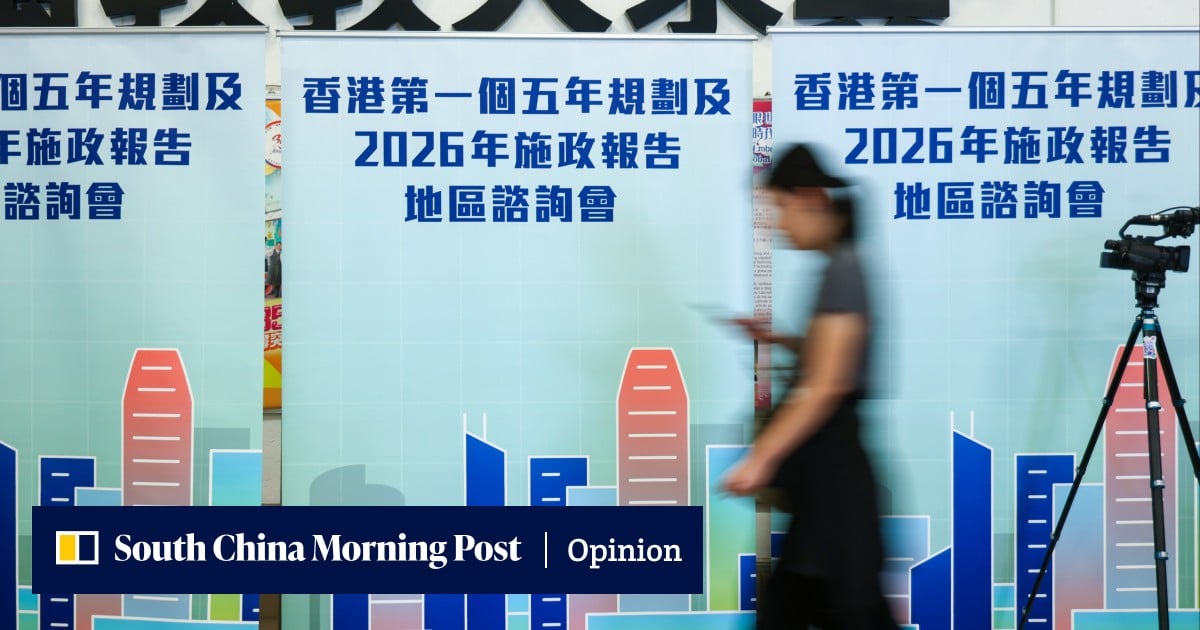
3-MIN READ3-MINJun Yu ChanJun Yu (JY) Chan is a partner at Wings Capital Ventures, where he invests in early-stage fintech and AI startups across Hong Kong and Southeast Asia. Published: 9:30am, 19 Aug 2026Updated: 9:30am, 19 Aug 2026Hong Kong is formulating its first five-year plan for economic and social development. Such plans are likely to become a regular feature of governance, and will shape how the city allocates land, builds housing and infrastructure, develops industries, trains talent and improves public services. They can also give government departments a common frame for action, rather than leaving them to operate in separate silos.Yet successive five-year plans should do more than set medium-term priorities. They should point towards a common destination, so that each plan becomes one stage in a longer journey rather than a self-contained list of tasks. The question is therefore not only what Hong Kong should do in the next five years, but what kind of city it seeks to become over the next two decades.
Hong Kong should develop a comparable sense of strategic clarity. This does not mean producing another long policy blueprint packed with targets, budgets and performance metrics. It means articulating a long-term mission statement that explains what the city ultimately seeks to become and why.
A 2049 horizon would be a natural one: it would align with a major national milestone.