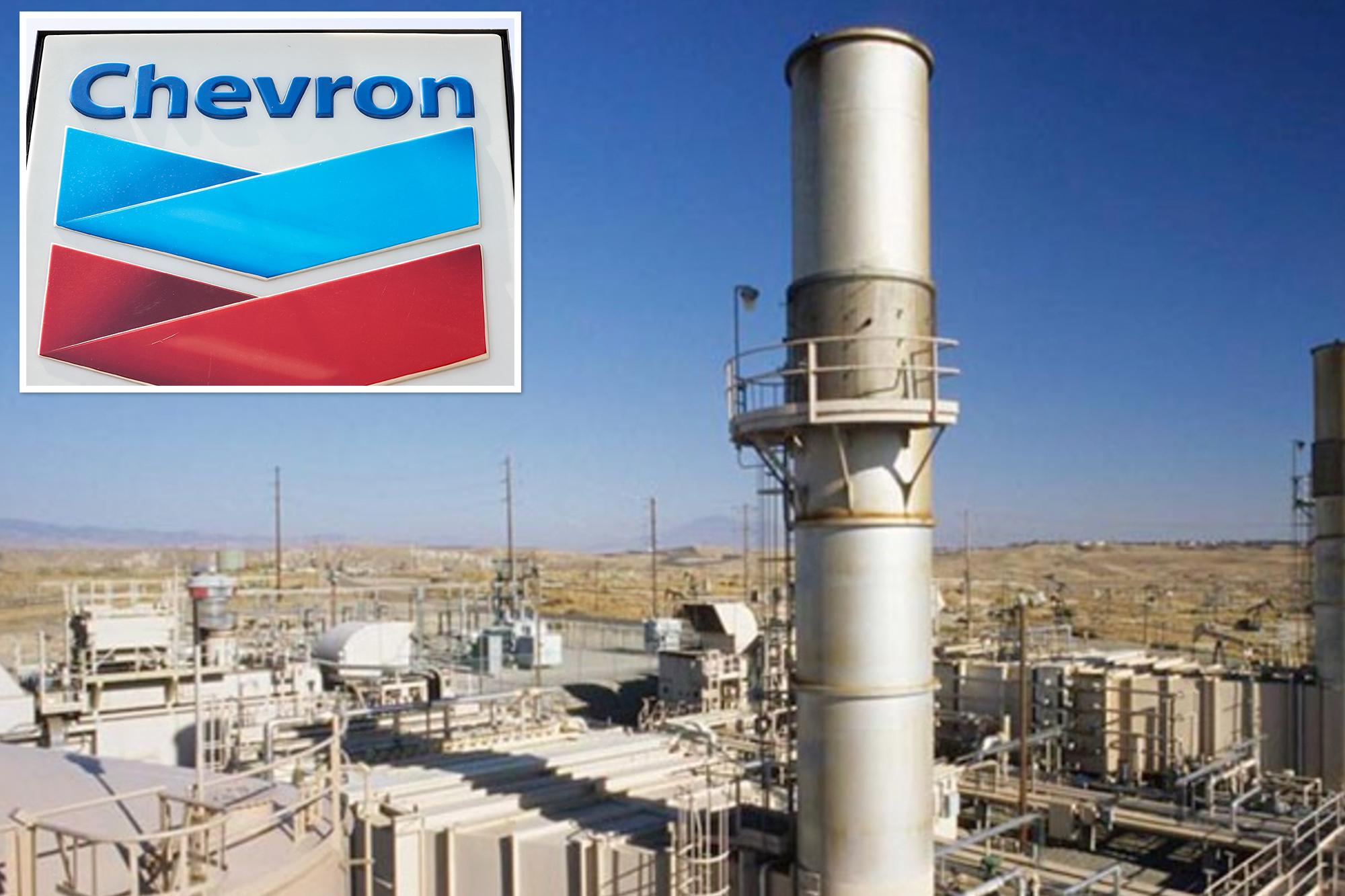
Add The California Post on Google Chevron has suddenly pulled out of a massive climate project in California’s Kern County, which was aimed at pulling carbon dioxide from the atmosphere and burying it underground.
The gas giant has backed down from a 2023 federal partnership with the US Department of Energy for the Western Regional Direct Air Capture Hub project –– the only local “DAC” project approved to receive multimillion-dollar subsidies under the Biden administration.
Chevron’s spokeswoman Chanel Jolly said the company had decided to withdraw from the project in July 2025 after having extensive discussions with the Department of Energy. The company has not released a public statement explaining the reasons behind the decision.
“Chevron’s agreement to a consensus termination of this award should not be construed as a reflection of the viability of the project, the performance or contributions of any participating subrecipient organization, Chevron’s position on other partnerships with DOE or DOE’s efforts to support CCS,” Jolly wrote in an email, reports The Bakersfield Californian.
Local experts believed the project had the potential to transform the region’s economy as Kern’s geological formations have great capacity for storing carbon dioxide.
Katy Larson, director of the California Energy Research Center at Cal State Bakersfield, noted that companies nationwide are looking to test carbon capture technology in Kern County.
“DAC also has the ability to contribute to other economies (which is always an interesting conversation in Kern County as our economies are interconnected). Once the CO2 is captured, the CO2 may be utilized in agriculture, medicine, manufacturing, etc,” she told the news outlet in an email.
According to the project documents accessed by The California Post, the energy corporation was to develop infrastructure to capture carbon dioxide from an oilfield power plant in Kern County and permanently trap it deep underground rather than releasing it into the atmosphere.
The carbon dioxide produced by the Eastridge Cogeneration Plant would then be transported through a new pipeline directly to a storage site within the Kern River Oilfield.
Once the carbon dioxide arrived at the site, Chevron planned to inject it into a salty underground water layer, known as a saline aquifer, that lies beneath roughly 7,343 acres of land.
Over the lifespan of the project, Chevron aimed to store up to 6.8 million tons of carbon dioxide in this space, project documents show.
Chevron was supposed to construct specialized infrastructure above and below ground, which included drilling two primary injection wells, setting up two backup wells, and installing two pressure-management wells to keep the underground environment stable.
The gas giant had also received a $3 million Department of Energy grant in August 2023 to study the feasibility of the project, according to the Kern County.
California Post News: Facebook, Instagram, TikTok, X, YouTube, WhatsApp, LinkedInCalifornia Post Sports Facebook, Instagram, TikTok, YouTube, XCalifornia Post Opinion California Post Newsletters: Sign up here!California Post App: Download here!Home delivery: Sign up here!Page Six Hollywood: Sign up here!