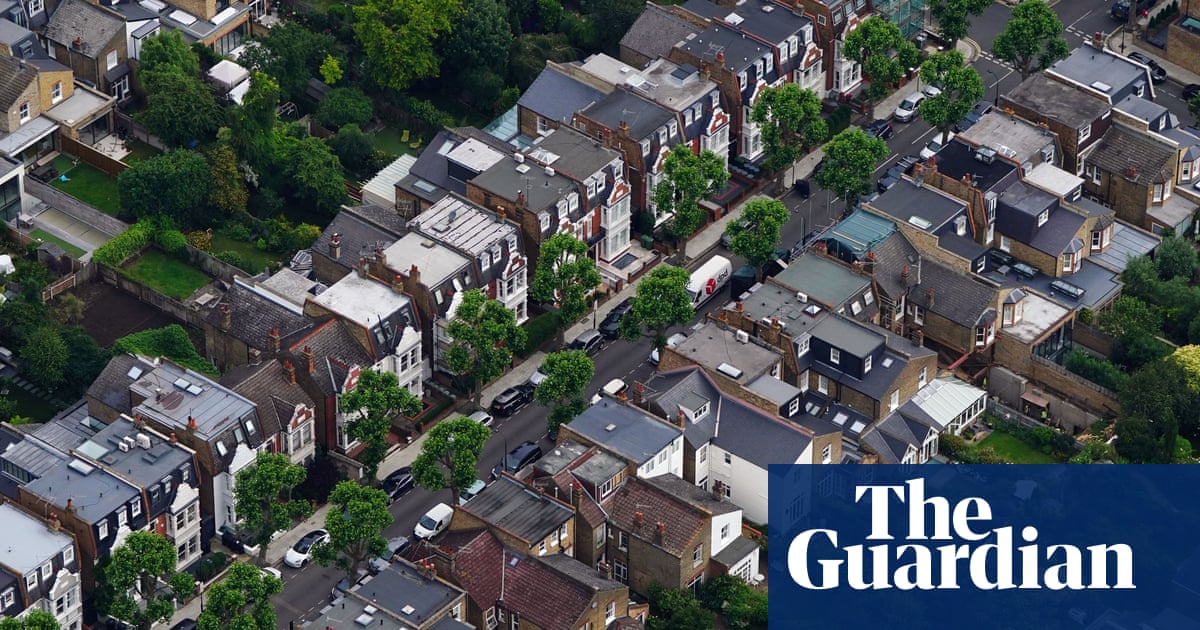
Officials believe it may be necessary to raise the strict caps on how much the Home Office can pay landlords in rent. Photograph: Victoria Jones/PAView image in fullscreenOfficials believe it may be necessary to raise the strict caps on how much the Home Office can pay landlords in rent. Photograph: Victoria Jones/PAGovernment could pay higher rents to spread asylum accommodation across UKGreater use of private rental properties would form part of PM’s plan to spread accommodation more evenly across UK
Ministers are considering paying higher prices for housing asylum seekers in private rental properties as part of Andy Burnham’s plan to spread accommodation more evenly across the country.
The shift towards more private rental accommodation, known as “dispersal”, and the use of former military barracks, are cheaper than expensive hotels for asylum seekers.
However, officials believe it may be necessary to raise the strict caps on how much the Home Office can pay landlords in rent so that the accommodation is not concentrated heavily in the most deprived areas.
The move would fit with Andy Burnham’s plea this week for more areas to “play their part” in housing those seeking asylum, instead of accommodation most often falling in areas where rents are the cheapest.
A Downing Street source said the biggest priority was reducing the need for accommodation for people seeking asylum overall.
Read moreThe policy of national responsibility for asylum seekers is broadly supported by refugee charities but they said local councils must take the lead and people should not be sent to places without sufficient means of supporting them.
Imran Hussain, director of external affairs at Refugee Council, said: “Ever since the policy of dispersing asylum seekers away from London and the south-east was introduced, we have been clear that supporting refugees should be a national responsibility and that people should not be sent to places without adequate housing, legal advice, support services or established refugee communities.
“That’s why local authorities should take the lead on asylum accommodation, using their local knowledge. Local councils should be given the powers and resources they need to provide people seeking asylum with housing, working with their local residents and also providing value for money to the taxpayer.”
He added: “Poor-quality decision-making by the Home Office is keeping a large number of people in the asylum system while they wait for the courts to overturn flawed decisions. The new government’s priority should be ensuring decisions are made quickly and are right the first time.”
Karen Bradley, the Conservative chair of parliament’s home affairs watchdog, pointed to her committee’s report which said “asylum accommodation has been heavily concentrated in areas with high levels of deprivation … that is where accommodation is cheapest and the old asylum contracts prioritised cost above ensuring a fair spread across the country”.
Some critics of the proposal to raise private rental payments for asylum accommodation said it would cost more but government sources said it was cheaper than using hotels, with the closures so far since the last Conservative administration having saved £1bn. They suggested the government’s aim was to ensure no single area carries a disproportionate burden, rather than decisions being driven solely by cost.
A government spokesperson said: “We are already working to fairly house asylum seekers across the entire country, working closely with local authorities and listening to local concerns to help reduce the impact on communities.
“The number of hotels in use has fallen from 213 in July 2024 to fewer than 160 today. Before the general election, hotel use peaked at 400 sites, costing £9m a day.
“The number of asylum seekers staying in hotels has fallen by 35% over the past year and is down 63% from the peak in 2023, while overall asylum support costs have fallen by £1bn since the general election.”
Read moreJoe Robertson, a Conservative MP on the Isle of Wight, told the Telegraph, which first reported the policy proposal, that Burnham “needs to choose locations which offer the most cost-effective accommodation in the best interest of taxpayers” and that “self-serving political choices which cost more would be wrong on every level”.
The policy of more “dispersal” of asylum accommodation was pursued under the last Conservative government by Robert Jenrick as immigration minister, now a Reform UK MP and finance spokesperson.
Marley Morris, a researcher on migration at the IPPR thinktank, pointed out on Thursday that Jenrick had pursued the policy to allow more equitable distribution of asylum seekers across the UK and also argued it would be cheaper. “This is because it helps to reduce use of hotels, which are far more expensive than dispersal accommodation,” Morris said.