Add The New York Post on Google It’s good practice to check the label on products you put on your body.
But what if the label doesn’t tell the whole story?
A new study suggests that ingredient lists on labels are almost always incomplete. Researchers found 98% of personal care and cleaning products they tested had chemicals in them that weren’t disclosed.
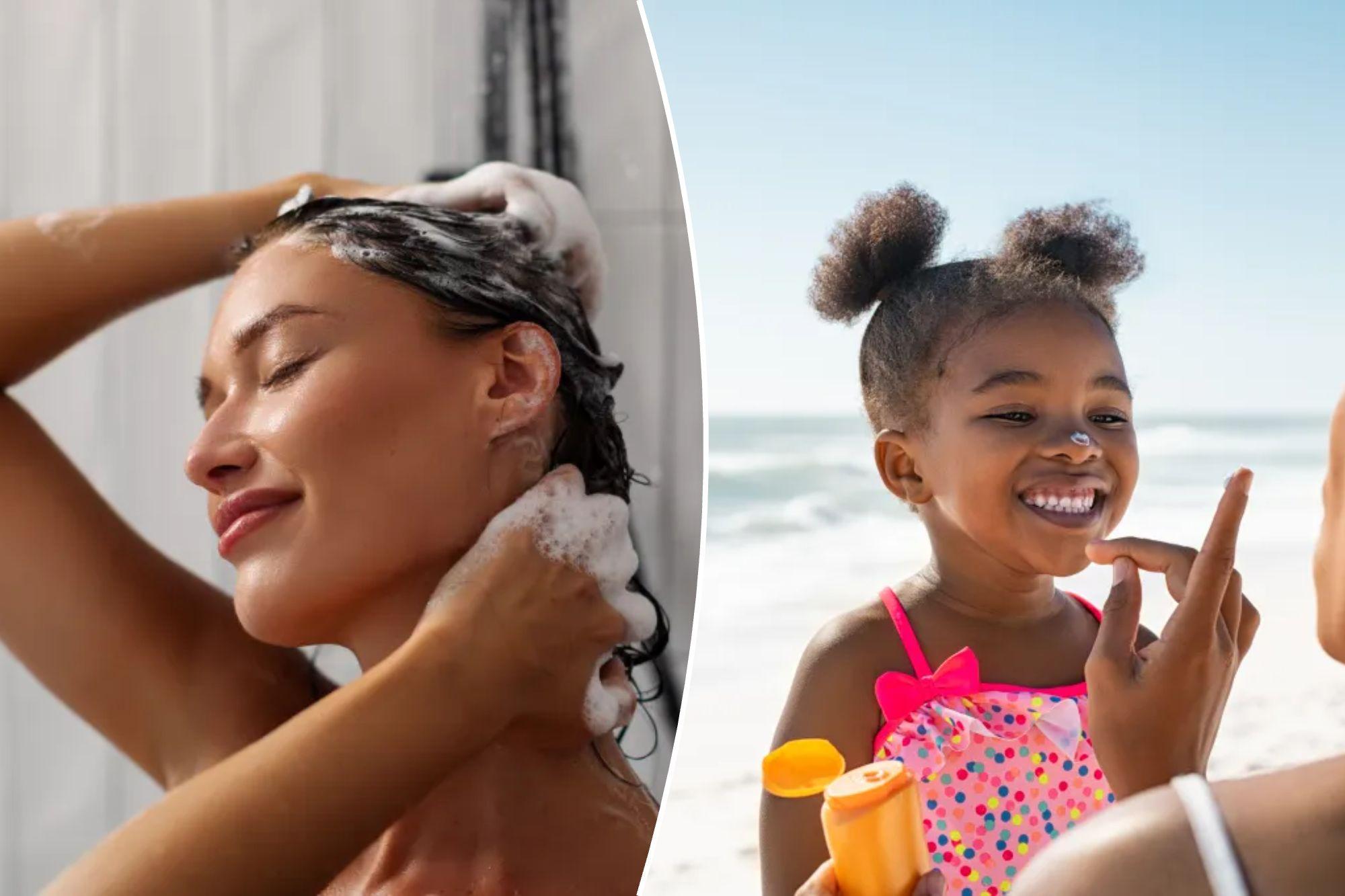
A number of shampoos were shown to have harmful chemicals in them that weren’t listed on the label. Home-stock – stock.adobe.com Authors say some of it is accidental contamination that happens during manufacturing. But other ingredients such as fragrance enhancers were likely added on purpose and simply left out on the label, they claimed.
These sneaky additions aren’t necessarily harmless.
Of the products they tested, 85% had at least one chemical that can harm your health, authors said. These included chemicals shown to cause cancer, impair child development or affect the endocrine and reproductive system.
What’s worse, 26% of products specifically labeled “non-toxic,” “fragrance-free” or “hypoallergenic” actually contained the very things they claimed to avoid.
“People shouldn’t need a chemistry lab to know what they’re bringing into their homes or putting on their skin,” author Jenny Hua said. “The next generation of product safety must look beyond the label and test what is actually there.”
Researchers tested 113 products from major stores like Target, Amazon, Walmart and Dollar Tree.
These products included shampoo, hair styling products, sunscreen, lotion, baby care products, intimate products, body oil, hand and body wash, deodorant and lip balm, oral care, ingredient oils, such as essential oils, and cleaning products, including laundry detergent.
Each label listed 16 ingredients on average. Testing revealed the actual average number of chemicals in each product was 51, more than three times higher.
On average, there were four unlisted harmful chemicals per product. These chemicals included fragrance components, botanical components, phthalates and parabens.
Many consumers already know about risks associated with these chemicals and go out of their way to pick products that specifically claim not to include these ingredients.
Yet over a quarter of the products tested showed ingredients they were specifically marketed to avoid.
Personal care products with unlisted harmful ingredients could affect the health of people of all ages. Rido – stock.adobe.com Most commonly, products said they were “100% natural” but contained synthetic chemicals, authors said. The second most common were products that contained specific chemicals or chemical classes that were labeled as excluded from the product, including “fragrance,” phthalates, parabens, silicone and oxybenzone.
They also found that so-called “non-toxic” products had some of those aforementioned harmful chemicals and “hypoallergenic” products had ingredients that were allergens and could cause irritation.
Researchers believe all these chemicals could be coming into our products due to changes in manufacturing and gaps in regulation. With those gaps, they believe some companies are getting away with things like adding allyl cyclohexylpropionate on purpose to coconut oil to enhance its scent — while leaving it off of product labels.
Interestingly, there was only one category that passed testing with flying colors: oral care. Authors believe this is because oral care products are regulated as over-the-counter drugs rather than cosmetics.
For everything else, researchers say we need to bridge the gap to enforce better purity standards across personal care.
“These findings reveal substantial gaps in product transparency and demonstrate that ingredient labels alone cannot reliably convey product safety,” authors said.