play Live Sign upShow navigation menuplay Live Click here to searchsearchSign upFeatures|US-Israel war on Iran‘Only job I know’: Philippine sailors return to sea despite wartime risksDespite risks in the Strait of Hormuz and Black Sea, seafarers from the Philippines are still competing for jobs.
xwhatsapp-strokecopylinkgoogleAdd Al Jazeera on Googleinfoplay videoplay videoVideo Duration 02 minutes 35 seconds play-arrow02:35Filipino seafarers return to sea despite war risks in the Strait of Hormuz and Black Sea
Manila, Philippines – Monsoon rains may have forced schools to shut down and suspended government services in the Philippine capital last week, but applicants at shipping companies and employment agencies still formed long lines that snaked around street corners.
The rain was the least of their worries. They were taking the first step on a journey that would take them to increasingly treacherous waters – and they say they are fully aware of the risks.
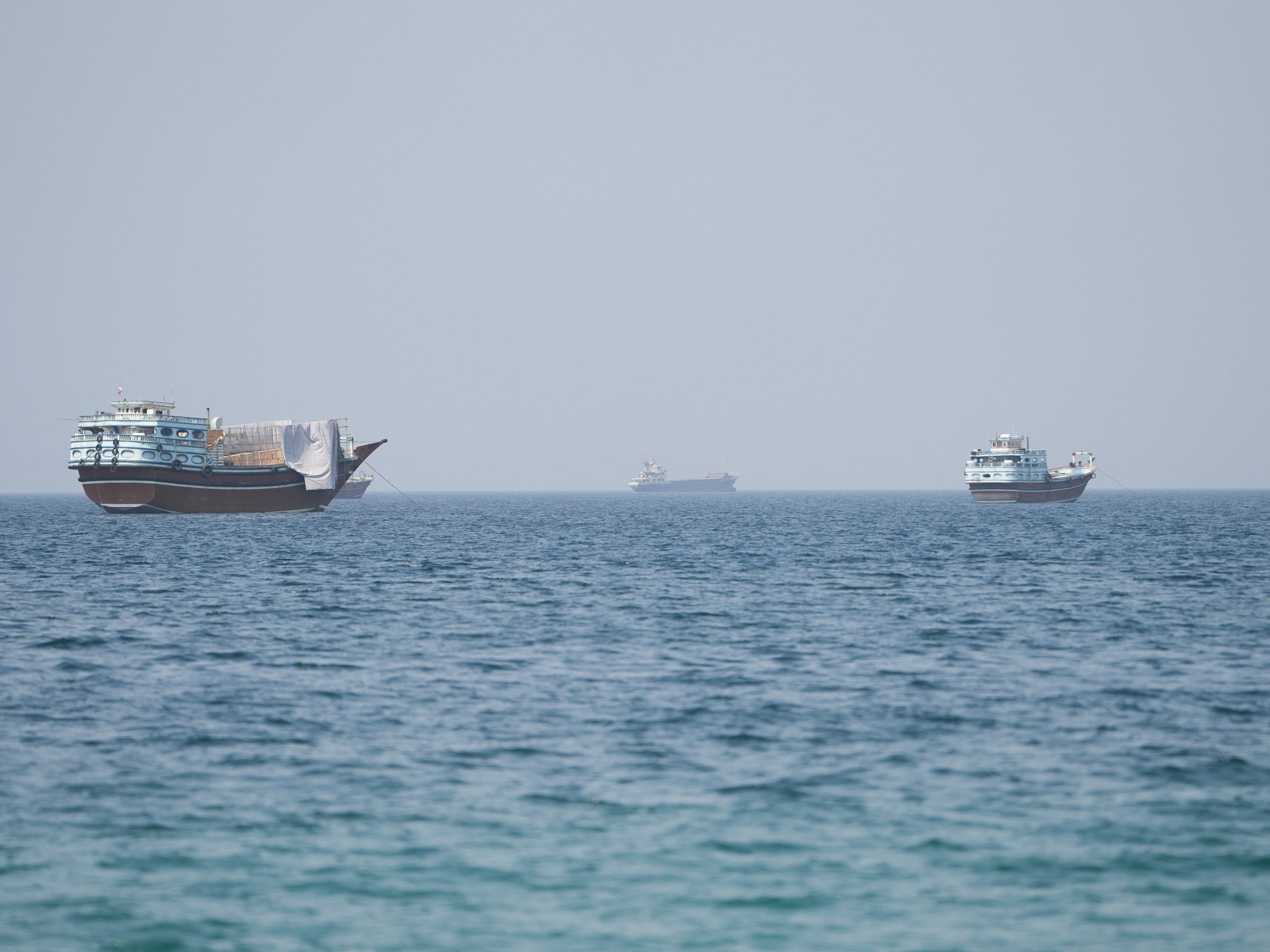
Gerald, a veteran sailor, was sorting out some last-minute paperwork for his next deployment next week. He is going to board the same ship he was last on – a cargo vessel off the port of Fujairah in the United Arab Emirates. The last time he was there, he was stuck for two months. He was due to return to the Philippines when the United States and Israel launched air attacks on Iran in late February.
“There was one missile that flew over. The navy intercepted it right when it was above us, so we hid,” recalled Gerald, who asked for his full name not to be used to protect his job. “We knew fragments could land on our ship. But what can we do? There was nowhere safe.”
He said he had never had to face and fear and uncertainty in 15 years as a commercial seafarer. As the US-Israel war on Iran spread across the region, effectively closing the Strait of Hormuz, he and his stranded colleagues for weeks watched projectiles from both directions blow up mid-air. Shrapnel mostly ended up in the water, but the crossfire prevented their usual rations from coming through. They had to brave the danger and fish on the deck to survive.
But none of that has deterred him – not even the on-and-off diplomacy between Washington and Tehran.
“I was able to save enough to buy a property after just two years of sailing,” he said. “I was able to build a house for my parents.”
The sea had always been a source of food and income for Gerald. He grew up in a fishing village. And while he says he was never hungry, sailing in waters beyond his hometown changed his life.
“This job has provided me with a decent income. And it’s the only job I’ve known for a long time. I can’t just go into business or farming. That’s easier said than done,” he said.
At the height of the war in March, nearly 20,000 sailors on 1,500 ships were trapped in the Strait of Hormuz. At least 17 have been killed in attacks since then.
The Philippines supplies more than a quarter of the world’s seafaring workforce. Among the 6,000 sailors currently stranded in the waterway, approximately 2,500 are Filipinos, according to data from the International Maritime Organization in July.
But even when the US and Iran struck an interim deal in June to end the war, there was no mass repatriation of Filipino sailors. The Department of Migrant Workers said more than 60 have since returned home from the Gulf, but most Filipinos on vessels that have been able to transit the Strait of Hormuz remain on board.
Alberto Lobaton was also due to return to sea and was staying at the same apartment complex near Manila Bay where Gerald was. The place has served as a halfway house for seafarers for years and was fully booked despite escalating maritime conflicts.
In addition to the conflict in the Gulf, there has been an increase in attacks on merchant vessels in the Black Sea as the war between Russia and Ukraine intensifies. In July alone, 35 ships were struck, and more than 20 sailors were killed, including at least three Filipinos.
“I felt the ship shake because the explosion was so close. It was just around 300 metres (984 feet) away; I was in our quarters, but those who were on duty that night stood up and ran,” said Lobaton.
The Philippine government has appealed to shipowners to avoid high-risk areas or disembark their Filipino crew. It’s also reminded Filipino sailors they have the right to refuse to sail.
Lobaton says it would be a lie to say he is not concerned for his safety, but the financial rewards outweigh the risk of injury or death.
“If I die, my family will be set for life because we are insured. So if something were to happen to me, I’d prefer it happened while I’m at work at sea.”