Homepage Accessibility links Skip to content Accessibility Help BBC Account Notifications More menu Search Sounds Close menu Use BBC.com or the new BBC App to listen to BBC podcasts, Radio 4 and the World Service outside the UK.
PlayBookmarkBookmarkSubscribeSubscribeAvailable for over a year
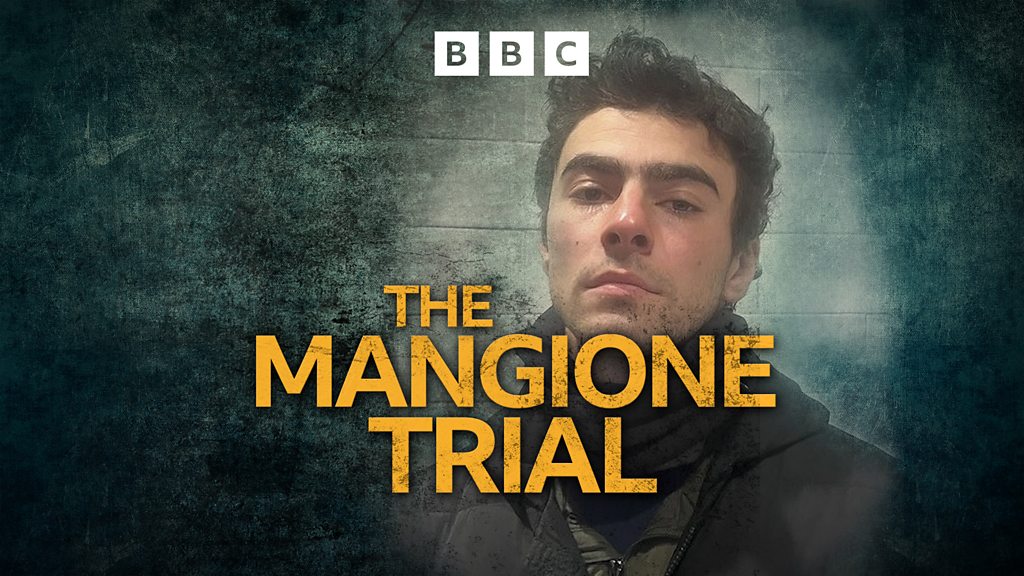
Since the shooting of UnitedHealthcare CEO Brian Thompson, the case against Luigi Mangione has become about more than just the evidence that will be tested in court. Across politics, social media and the news media, competing groups have sought to frame the story through their own lens, linking it to debates about left-wing violence, Antifa, healthcare, political extremism and public anger at powerful institutions. In this episode, BBC journalist and extremism expert Mike Wendling helps untangle the claims, examining what terms such as "far left" and "Antifa" actually mean, why some commentators have associated them with the case, and what evidence exists about Mangione's political views. The episode also explores how a high-profile criminal case can become a political symbol, even when the facts are disputed and a trial has yet to take place. Host Jordan Dunbar also looks at parallels from Japan following the assassination of former Prime Minister Shinzo Abe, asking how public reactions to shocking acts of violence can evolve into wider debates about social grievances, political division and systemic change. Luigi Mangione denies all charges against him. So how did a murder case become a culture war, and what happens when politics starts shaping the story before a jury hears the evidence?