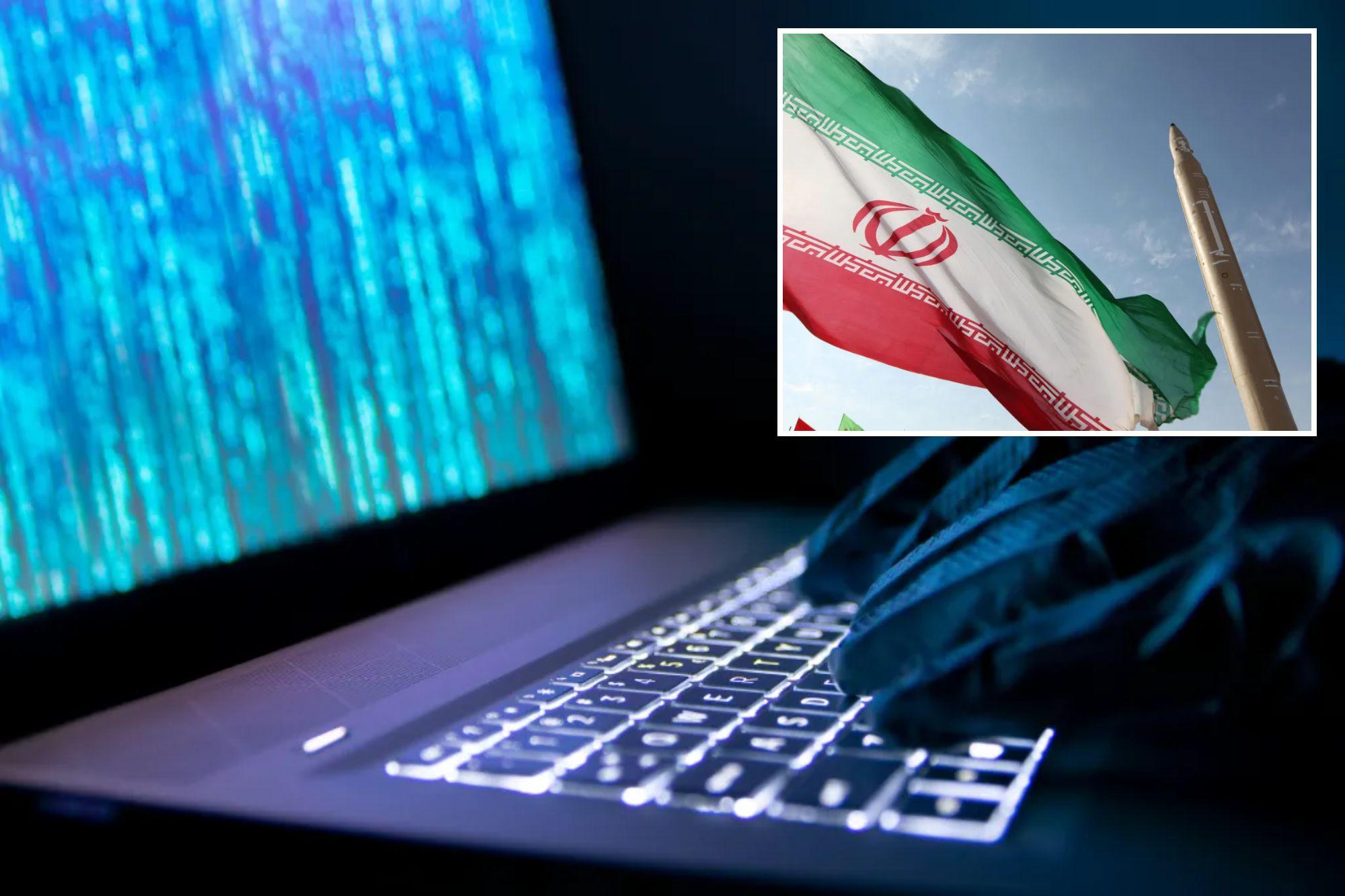
An Iranian flag flutters next to a surface-to-surface Qiam-1 missile at an undisclosed location in Iran on August 20, 2010. AFP via Getty Images See more of our coverage in your search results.
Add The New York Post on Google Federal authorities aren’t ready to officially blame Iran for the recent cyberattacks on US water systems, but Tehran’s fingerprints are all over them — and Washington will have to respond seriously, though perhaps not openly.
We’ll chalk President Donald Trump’s dismissal of Iran’s culpability down to not wanting to complicate talks to get the Strait of Hormuz opened up, as well as the knowledge that a US response can be as “deniable” as Iran’s attacks.
That’s the thing about cyberwar: Most of it is completely out of sight, no matter how obvious the final impact.
So far, 12 US states have reported potential strikes on their water-distribution and wastewater systems, per ABC News, including more than 30 in Minnesota alone.
Drinking water remains safe, but the attacks disrupted operations at several utilities, including a “loss of pressure and flooding,” the FBI reports; some had to resort to manual operations of their systems.
The attacks appear coordinated, but no demands for payment have materialized, so the motive’s not financial.
And top suspect — the Iranian-linked hacking group Cyberav3ngers — hasn’t yet claimed responsibility, as it usually does after a strike, so experts fear the operation may still be underway.
Why is it the top suspect? Per the cybersecurity company Tenable, Cyberav3ngers actually announced on the dark web soon after US-Israel airstrikes began at the end of February that it planned to retaliate against US sites, and federal authorities have acknowledged that Iran stepped up its cyberattacks at the time.
And Trump’s dismissal of an Iranian link sounds more flippant tham serious: “I would blame it on Minnesota,” he said, and its “corrupt governor.”
A hacker steals information using a laptop. ysuel – stock.adobe.com Fine, the state under Gov. Tim Walz has repeatedly proved incompetent, and perhaps its utilities failed to embrace sufficient anti-hacking measures.
But the suggestion that Minnesota is somehow behind the attacks on water systems is preposterous, and the prez surely knows it.
Yet handling these attacks isn’t all that straightforward: Our side doesn’t want to publicize any info that might make future attacks easier.
All-out sabotage of utilities, if successful, could have devastating results, including even mass civilian casualties.
But if Iran were capable of that, we’d be hearing far worse news than some Minnesotans having to boil water as a precaution.
Meanwhile, it makes perfect sense for any US cyber-counter-attack to be kept under wraps too — responding in kind.
That said, attacks on purely civilian facilities are yet another sign of how evil and untrustworthy Iran’s rulers are, as we’ve warned repeatedly — and so an added reason for caution in negotiations and ample cause to ratchet up military and economic pressure on the regime.
However this current campaign ends, freeing the world of the monsters who rule Iran should be a US priority until that country is free.