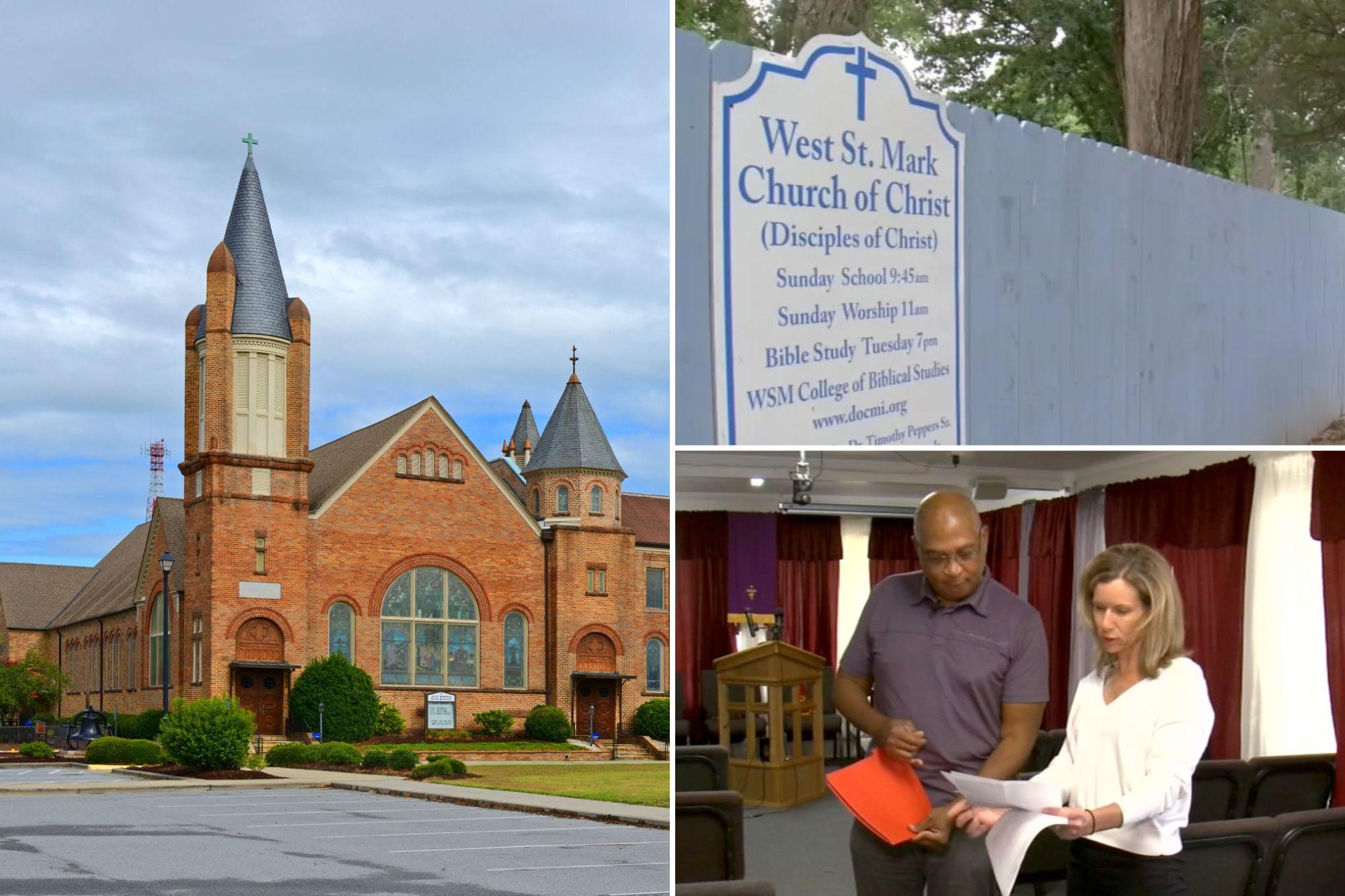
Add The New York Post on Google A North Carolina church nearly lost the land it spent two decades preparing to build on — after fraudsters forged a dead woman’s signature to pull off a real estate sale the family never agreed to.
Timothy Peppers’ father bought the Orange County property back in the 1960s, laying the groundwork for what was meant to become the new home of West Saint Mark Church of Christ in Chapel Hill. The family had been slowly moving toward breaking ground since 2005.
“Ever since 2005, we’ve been working on developing it to actually build the sanctuary here,” Peppers told local affiliate ABC 11 .
That momentum came to a screeching halt this year when a letter showed up from a law firm informing Peppers it had been retained to handle the sale of his own property, a transaction he never authorized and knew nothing about.
Digging into the paperwork, Peppers found the property had already changed hands for $110,000 on April 17, with a deed filed at the Orange County Register of Deeds.
But one detail on the purchase agreement stopped him cold, a signature belonging to his mother, Molly Peppers, who passed away back in 2021.
“That’s not my signature, and my mother’s deceased,” Peppers said.
“It was just the shock and not knowing what to do next and the panic that you go through when you find out.”
The attorney behind the deal admitted the sale never should have happened. His own client, it turned out, had also been duped, conned by a criminal posing as Peppers himself. The firm scrambled to unwind the transaction and get the deed back into Peppers’ name.
Looking back, Peppers said the timing could have been catastrophic if the scam had gone undetected any longer.
“I was thinking about how big a mess it would have been had we gone through the permitting process, ready to build, and someone walk up and say they owned the property.”
With the title restored, the church’s building plans are finally back on track, including parking lot in the front and the sanctuary set further back on the lot. Peppers said he’s speaking out now so other landowners don’t get blindsided the way he did.
“I think we need to keep raising the flag until people kind of have a sense that that’s what they need to do. Always check.”
He’s far from the only target. A similar scheme hit a landowner in nearby Apex, whose vacant lot was quietly put up for sale without his knowledge.
The pattern has caught the attention of the FBI, which recently put out a warning about criminals hijacking property owners’ identities to sell land they have no legal right to touch, often zeroing in on vacant parcels that sit unmonitored for long stretches.
Investigators say the playbook is consistent: impersonate the real owner, forge the paperwork and push the sale through before anyone notices something’s wrong.
Ways to protect yourself include signing up for free property fraud alerts through your county’s Register of Deeds office, regularly monitor property records for unauthorized filings, be extra cautious with vacant land or property you don’t visit often and report anything suspicious to law enforcement right away.
Fraud alerts won’t stop a scammer from filing bogus paperwork in the first place, but they can flag the activity fast enough for owners to fight back before it snowballs into a bigger legal mess.