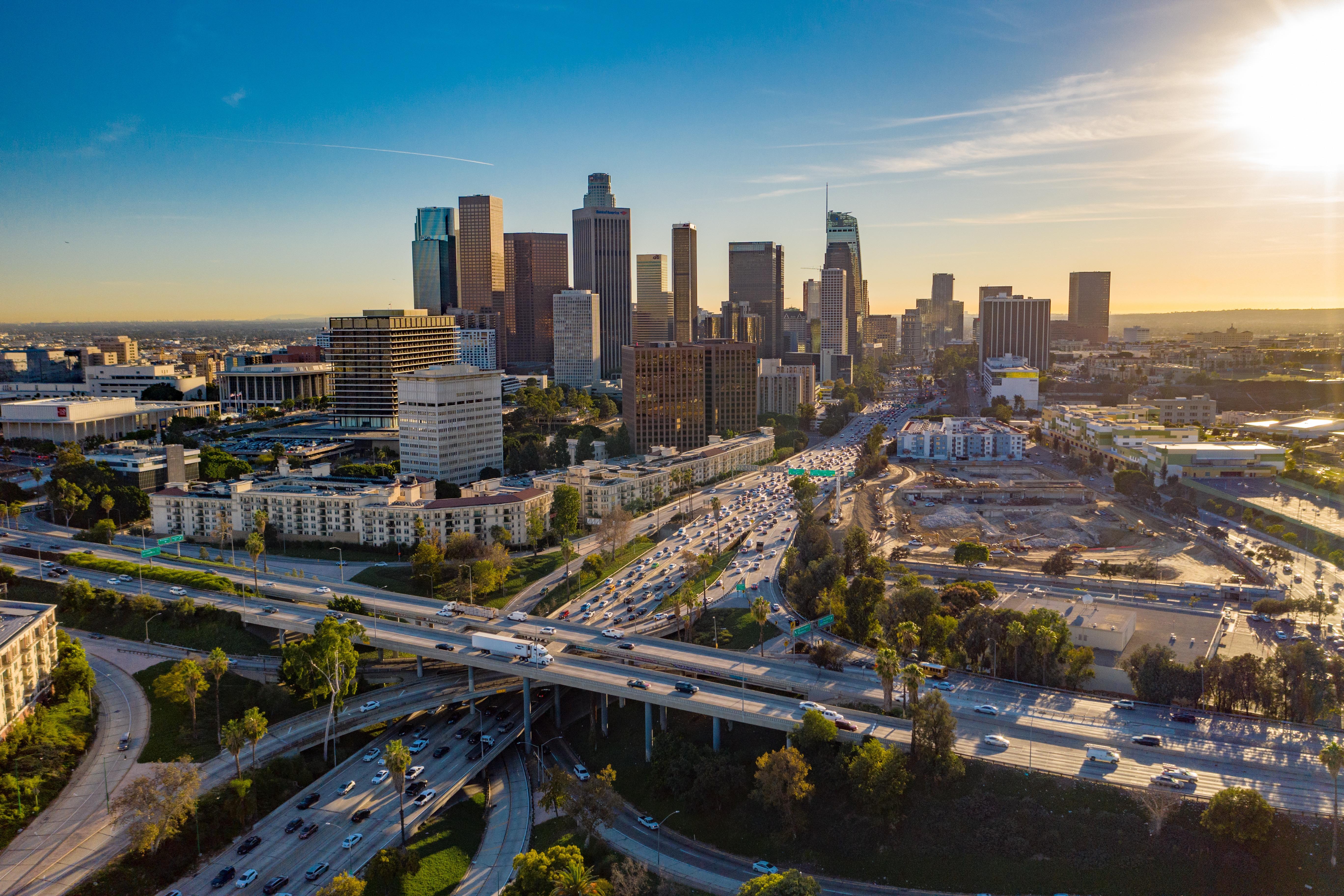
Add The California Post on Google You’ve probably read some “urban doom loop” articles about downtown LA (DTLA). They are charged, negative — and not entirely wrong. But they tell only part of the story, and undermine a recovery that actually has a chance.
LA will host the Olympic Games in just two years, and the eyes of the planet will land, in no small part, on downtown — our civic front door, the hub of our transit system, the heart of our cultural life and the site of several of the LA28 event venues.
Which makes it even more important that we get the story of DTLA right.
Here’s some of what’s not making headlines.
Crime in downtown is trending down. Visitation has returned to pre-pandemic levels, with more than 17 million visitors in 2024.
New restaurants and businesses continue to open. The residential population has grown 44% since 2010, with DTLA accounting for 26% of all new housing built across the city over that period.
In an area that represents just 1.4% of the city’s land, DTLA accounts for nearly 19% of the entire city’s jobs.
That’s not a neighborhood in decline; that’s a place the rest of the city depends on.
None of this is to say that DTLA doesn’t still face real challenges. Office vacancies remain high. Retail storefronts sit empty in some corridors. Foot traffic is increasing, but hasn’t fully returned, while public safety problems continue to undermine the experience of being here for residents, workers and visitors alike.
But here’s what the doom loop narrative misses
During its renaissance from 1999-2019, DTLA overcame much more daunting obstacles.
Over those two decades, DTLA evolved from a hollowed-out 9-to-5 business district with a residential population of under 18,000 and almost no dining, nightlife, or culture to speak of, into a vibrant 24/7 mixed-use destination with over 90,000 residents.
DTLA built one of the nation’s leading culinary scenes, and hosted a collection of world-class cultural and entertainment institutions rivaling that of almost any major city.
The next wave of DTLA’s revitalization is building on those two decades of growth and success. Yes, they were interrupted by the pandemic, but we’re not starting at zero.
DTLA’s best advantage is a committed community of residents, workers and entrepreneurs who care deeply about the area and are uniting around its recovery.
It is this coalition of individuals and organizations that is lifting DTLA up for its moment on the global stage. But we need support from major players in the public and private sectors.
In this spirit of collaboration, the DTLA Alliance has partnered with other downtown business improvement districts, and entities ranging from LA Tourism to the Downtown Residents Association. We have developed a public-private initiative called DTLA Path of Progress to improve public safety and the experience of DTLA before, during and after the LA28 Games.
As part of this effort, we are calling on elected officials — including LA Mayor Karen Bass, Council member Ysabel Jurado and her council colleagues; and LA County Supervisor Hilda Solis — to support downtown’s recovery.
First, increase foot beat and bike patrol officers, empowering them to address quality-of-life issues like open-air drug use and retail theft — while also expanding resources for the addiction and mental health crises.
Second, increase public maintenance to match the needs of a high-density, high-traffic environment like DTLA, including leveraging the business improvement district (BID) operations teams, which work 24/7 to keep the streets of DTLA safe and clean.
Finally, invest in long-planned improvements like the renovation of Pershing Square, and the Seventh Street and Broadway streetscape projects, which demonstrate a commitment to DTLA’s future.
We are encouraging the corporate community to take an active role in DTLA’s vitality, following local examples like Deloitte, whose Rally LA partnership with the Los Angeles Chamber of Commerce aims to expand opportunities for small businesses. Likewise, the Capital Group has demonstrated its commitment to DTLA with the purchase of its headquarters at the B of A tower.
For the rest of us — the Angelenos who live, work and visit DTLA, or simply root for the heart of the city — the most powerful thing you can do is show up.
Eat at the restaurants. Go to the museums. Ride the Metro. Tell a friend what you found and flip the script on the doom loop, because the virtuous cycle works the same way in reverse.
Come to DTLA, enjoy all it has to offer, spread the word, and watch it get its mojo back!
DTLA was one of the most dynamic urban centers in America right before the pandemic hit, and it can be that again. The Olympics aren’t just a big event — they’re a golden opportunity. Let’s seize this moment to shine.
Nick Griffin is executive vice president of the DTLA Alliance.