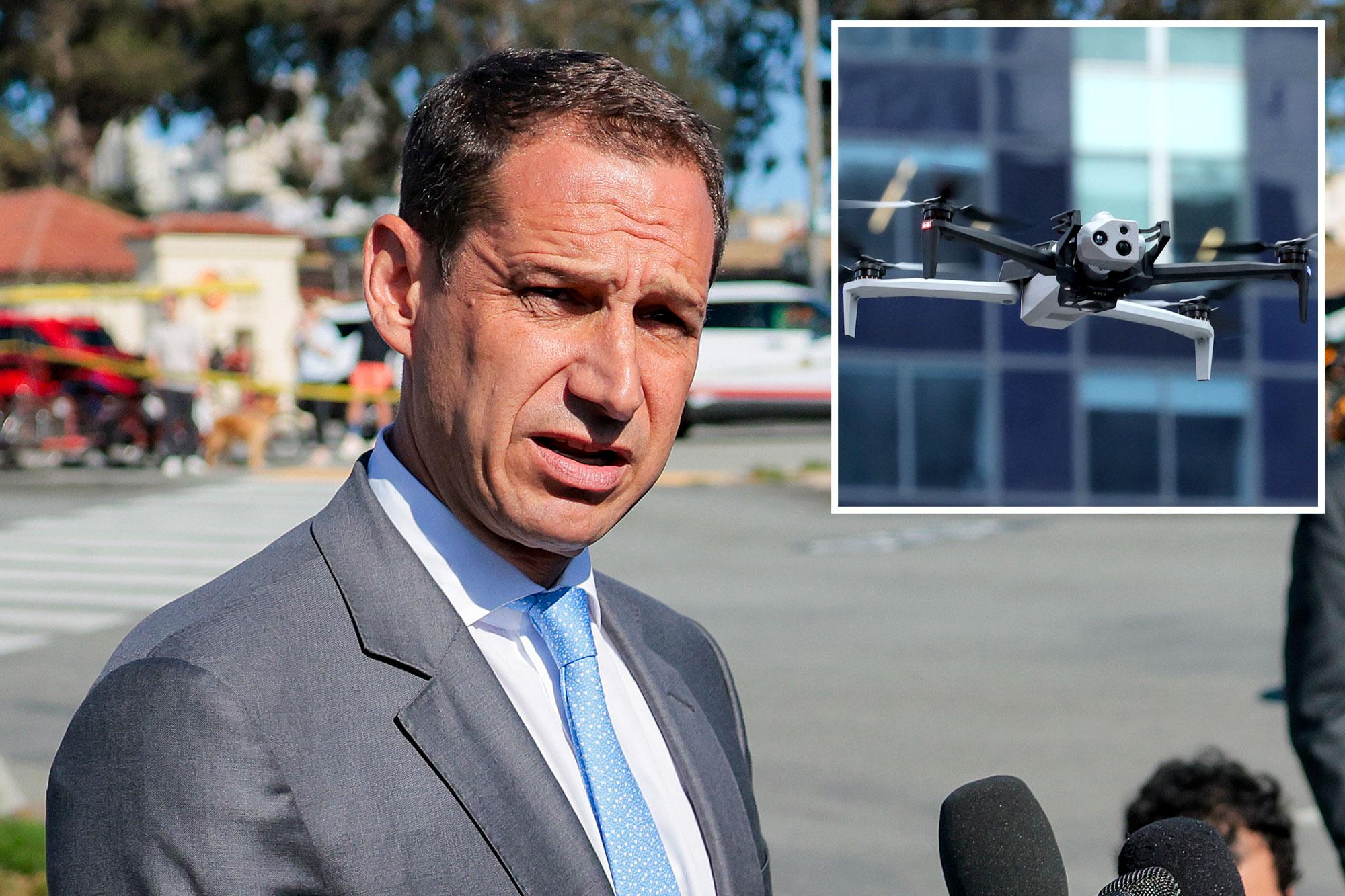
Add The California Post on Google San Francisco police have expand their use of cameras, drones and other surveillance tech to nab criminals — and most residents of the famously liberal city are good with it, a new poll shows.
Seventy-two percent of those surveyed in a poll by GrowSF, a San Francisco political advocacy group, said they somewhat or strongly support the use of cameras and drones after a 911 call to assist in “active investigations.”
A strong majority — 66% of those surveyed — even backed real-time video monitoring of crime hotspots such as Tenderloin drug markets “to help deter crime and hold criminals accountable.”
Currently, police are only allowed to monitor live footage in limited circumstances.
Similar numbers of San Franciscans said they support using surveillance tech for other uses, such as preventing illegal dumping (67%) and “monitoring areas with high drug-use” to help prevent overdoses (69%).
The GrowSF poll suggests San Franciscans broadly support giving cops more leeway in catching suspects: 66% support giving police tasers, while an overwhelming 75% are in favor of police dispersing drug markets.
The new survey appears to reflect a sharp turnaround in police surveillance sentiment in San Francisco, which became the first city in the US to ban the use of facial recognition tech in 2019.
In the wake of the George Floyd police murder in 2020, ex-mayor London Breed sought to redirect funds from the police department to initiatives supporting the city’s black communities.
Crime is down in San Francisco across many categories, including auto thefts and property crime, although murders have spiked this year.
Police have credited surveillance tech like Flock Safety cameras now blanketing the city with helping to quickly apprehend criminals.
However, civil liberties advocates have raised alarms about the expansion of surveillance technology.
A number of cities nationwide have pushed back on the growing use of Flock technology, canceling or declining to renew contracts over concerns about privacy and police surveillance.
According to DeFlock, an anti-surveillance group, 98 cities have rejected automated license plate readers, while some 124,800 such cameras have been mapped nationwide.