To play this video you need to enable JavaScript in your browser.This video can not be played
Watch: Simon Jack presses Thames Water boss on pollution targets
The boss of Thames Water has claimed targets the company has been set over things like leakages are "not realistic".
Thames has been criticised for its performance in recent years following a series of sewage discharges and leaks, and last year was fined a record £122.7m by regulator Ofwat, most of which was for breaching sewage spills rules.
Chris Weston said Thames wanted "to do better" but said some of its targets were not achievable.
Ofwat said company targets were "intended to be ambitious", while an environmental group said sewage pollution should not be accepted as inevitable.
Thames, which has struggled for years under billions of pounds of debt, faces being put in a form of temporary nationalisation known as a special administration regime.
But Weston said if that were to happen, there was a risk the taxpayer would have to bear the cost of funding it, and instead backed a rescue deal put forward by the firm's lenders.
Water companies have performance commitments on issues such as leakage.
It is illegal to release raw sewage into rivers and seas during "normal" weather conditions, but firms are allowed to do so when it rains heavily, to prevent homes being flooded.
Thames is the UK's largest water company, supplying water and wastewater services to 16 million customers across London and parts of southern England.
Speaking to the BBC's Big Boss Interview podcast, Weston said the company treats 4.3 billion litres of waste a day, and "99.5% of the time" it gets treated successfully, although "sometimes something goes wrong".
"We want to do better when it comes to pollutions," he said, but added, "the targets that the company is expected to make are not realistic.
"[For example], we have to hit a certain level of leakage, but it is so far in excess of what we are capable of doing, I think anyone would be capable of doing, however much money you invested, that it is not going to be achievable."
The chance of getting to zero pollution was "very, very slim", he added.
Ofwat told the BBC: "With around a fifth of water put into supply still lost through leakage, companies must deliver on the commitments they have been funded to achieve.
"Water company targets are intended to be ambitious and drive better outcomes for customers and the environment."
A spokesperson for the Environment Agency said: "[We] and the public expect Thames Water to comply with the law," adding that the agency would continue to hold companies to account where performance falls short.
James Wallace, chief executive of campaign group River Action, said: "Thames Water's tactics of opacity and deflection fool no-one. Telling the public to save water while this wasteful profit-obsessed corporation leaks 570 million litres of treated drinking water every day is offensive.
"There is nothing 'realistic' about accepting sewage pollution as inevitable. The choice is simple: keep propping up a failed privatised financial model, or put Thames Water into special administration and rebuild it as a public utility serving customers, rivers and the public."
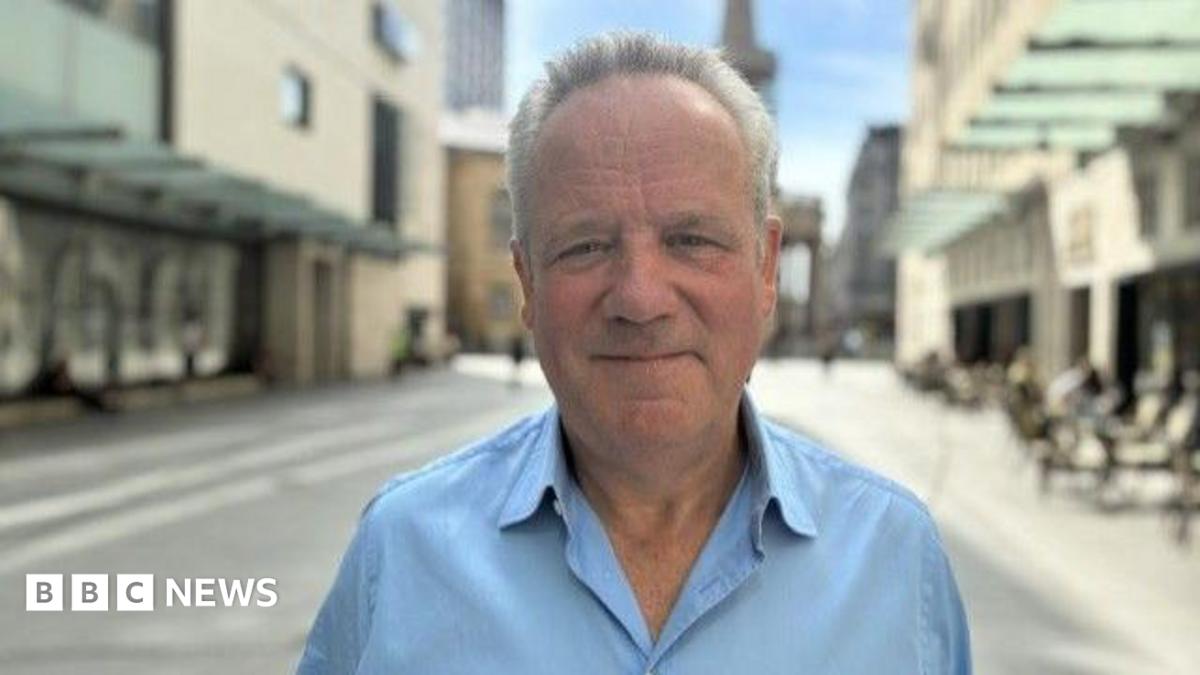
Image caption, Chris Weston has been chief executive of Thames Water since January 2024
Whether or not Thames will be put in a special administration regime - which would allow the government to recoup some taxpayer cash if the company was sold to a private buyer - has long been the subject of speculation.
New Prime Minister Andy Burnham has backed direct public control of utilities, and while Weston said he agreed that greater public control and "an ability to hold us to account" was a good idea, he said special administration would not be the best solution for Thames, warning it could disrupt investment and leave taxpayers funding the company.
Instead, he supports a proposal from Thames' creditors that writes off about £9bn of debt, injects new investment and offers a "golden share" to the government which would give it veto powers over major decisions such as mergers.
Big Boss Interview: Thames Water Chris Weston
The CEO of the UK's largest water company speaks to the BBC about water security, pollution targets and Thames' future.
Listen on SoundsThe pay of water company bosses has also been widely criticised. Weston himself saw his pay increase 14% to £1.163m in the year to March, while other directors received bonuses totalling £4.1m, at a time when the company warns that it could run out of money by November.
But Weston defended Thames' pay levels, saying his own pay was set by a committee and that the company needed to be able to attract and retain talent.
"We need capable people to help turn this company around. And if we're not prepared to pay market rates, then they won't come to us and they won't stay with us."
He said he understood public anger towards the water industry, but thought it sometimes went too far.
"We do have physical assaults of our staff, verbal abuse. I get the same. None of that is acceptable or appropriate," he said.
Speaking in a week where more than half of England and all of Wales have been declared in drought, Weston said the hot, dry conditions we are currently seeing have become more common in recent years.
"We need to prepare for that and be ready to deal with this in the future," he said.
Thames is one of several companies to have imposed a hosepipe ban and Weston said the UK had been complacent about water provision.
While January and February this year were extremely wet, since then rainfall had been "pitiful", he said, and called for more reservoirs to be approved.
"We do not have enough storage to get through a summer and we have to think about next winter as well without restricting people's usage of water."
Cash-strapped Thames Water poses big test for Burnham