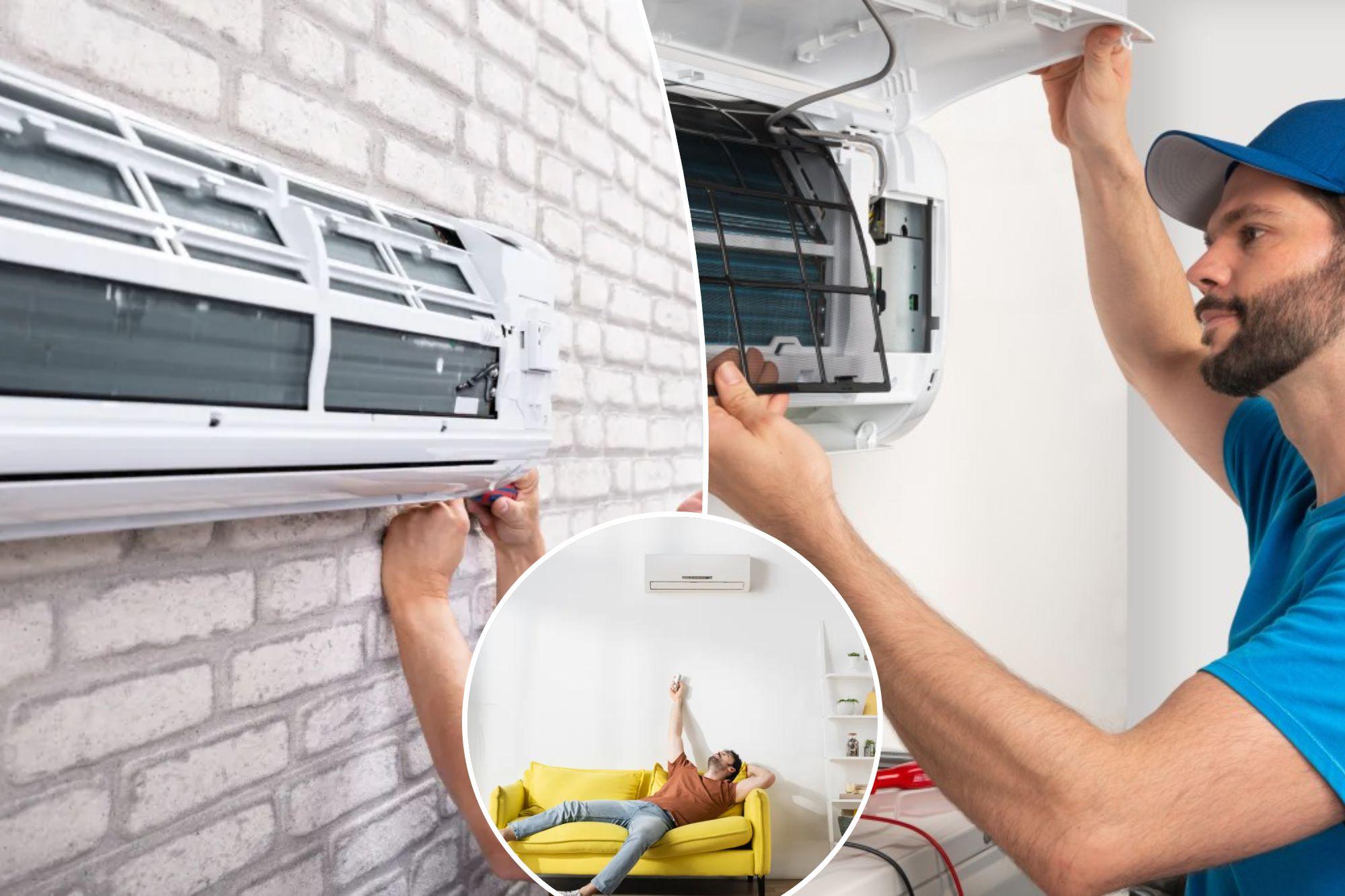
Add The New York Post on Google When your energy bill spikes, it’s easy to blame the thermostat, the weather or the utility company.
That said, sometimes the issue is much smaller — your HVAC system may not be getting enough airflow.
Simply replacing dirty air filters can help your system work better, and the best part? It’s a $50 solution.
It sounds simple, but poor airflow can force your HVAC system to run longer, work harder and use more energy than it needs to.
According to American Residential Services (ARS/Rescue Rooter), a national residential HVAC and home services company, poor HVAC airflow can make rooms feel uncomfortable, cause heating and cooling cycles to run longer and increase energy use.
The U.S. Department of Energy reports that routinely replacing or cleaning air filters can lower an air conditioner’s energy consumption by 5% to 15%. That does not mean every homeowner will save $500 a year. But if your AC runs often, your energy costs are high and your old filter was badly restricting airflow, the savings can add up.
Here’s why airflow matters, how a dirty filter can cost you and when a simple filter replacement is not enough.
Your system does more than just cool or heat. It moves air through ductwork and then back through any return vents you have.
When something blocks that circulation, your system may have to run longer to reach the temperature on the thermostat.
Your home may still feel cool, but it is working harder than it should to keep it that way.
A dirty filter makes it harder for air to pass through the system. Over time, that restricted airflow can make your HVAC work harder, lowering efficiency and reducing comfort.
That does not mean you should ignore the filter. It means you should check it regularly and replace it when it is dirty or clogged.
“There are even systems now that can help tell you if a filter is actually dirty versus replacing it just because it’s ‘time,’” says Joey Dooley, a general manager at ARS in Texas. “If you’re buying expensive filters, replacing them when you don’t need to is unnecessary.”
A replacement pack should usually cost around $50, depending on the size and filter type. This might help your system run more efficiently.
A dirty filter can be restrictive, but the wrong filter can be a problem too.
Before switching to a different filter type or MERV rating, make sure it is compatible with your HVAC system. MERV stands for Minimum Efficiency Reporting Value and is a 1 to 20 value that measures an air filter’s ability to capture tiny particles.
If you are not sure about your filter, ask a technician what your system is designed to handle. Only use the filter recommended for your HVAC system.
If you have a larger HVAC system with vents around your home, make sure nothing is restricting the airflow.
Furniture, rugs, curtains, storage boxes and closed vents can all block air from moving properly through the home.
It may seem harmless to close vents in rooms that are rarely used, but central HVAC systems are designed to follow a specific flow pattern. Closing vents can increase pressure in the duct system instead of saving energy.
“A lot of the real problems come from ductwork,” Dooley says. “If the ducts are installed improperly, if there are restrictions, if things are sealed badly, then you’re not getting the efficiency you paid for. For example, we can change to higher-efficiency equipment, but if the airflow and duct system aren’t right, you’re not going to get that full efficiency.”
That means even a high-efficiency HVAC system can underperform if the ducts are leaking, crushed, restricted or poorly sized.
According to ARS service data, ductwork repair or replacement typically runs between $2,800 and $4,000 per job, depending on the extent of work and home layout.
One sign does not automatically mean airflow is the problem. Weather, insulation, utility rates and thermostat habits can also affect energy bills. But if weak airflow comes with longer run times or uneven temperatures, it is worth investigating.
If your system has to work harder for too long, it can strain components and make other problems worse.
“One of the most common issues we see is a bad capacitor,” says Dooley. “Depending on where you live in the country, it really feels like most people will have at least one failure within the first year or two of the system. Capacitors just don’t last as long as they used to.”
Just having a dirty filter does not mean you automatically have a capacitor issue, but restricted airflow, long run times and system strain can make your system work harder than it should.
That is why a cheap filter change is not just about saving on energy. It is also about reducing unnecessary stress on the system.
A filter change can help if the filter was the problem. But it will not fix every airflow issue.
This will help determine if you have a bigger issue on your hands.
Here are a few low-cost airflow fixes you can try first before calling a technician to look at the airflow issue.
Obviously, anything involving refrigerant, wiring or electrical components is not something you should handle yourself. Leave that to a technician.
A $50 filter change could save you money if poor airflow is making your HVAC system run longer than it should.
It may not save every homeowner $500 a year, but it is still one of the easiest and cheapest places to start. A clean, properly fitted filter can improve airflow, help the system run more efficiently and reduce unnecessary strain.
That said, airflow problems do not just stop at the filter. Anything from blocked vents to duct leaks can make your HVAC system work harder and cost more in the long run. Start with simple checks, but if your energy bills keep climbing or airflow is weak, call a technician before a small issue becomes a bigger repair.
Yes. A dirty filter can restrict airflow and make your air conditioner operate less efficiently. The Department of Energy reports that routinely replacing or cleaning filters can reduce air-conditioner energy consumption by 5% to 15%.
It is possible, but not guaranteed. A homeowner with high AC costs and a badly restricted filter may see bigger savings than someone with lower usage or a mildly dirty filter.
Check your filter monthly during heavy heating or cooling seasons. Replace or clean it according to the equipment and filter manufacturer’s instructions, or sooner if it is visibly dirty.
Usually, no. Closing multiple vents can increase pressure in a central duct system and may hurt performance.