Elsa Reichmanis spent decades collaborating with Chinese science teams and says research should remain distinct from tech rivalry
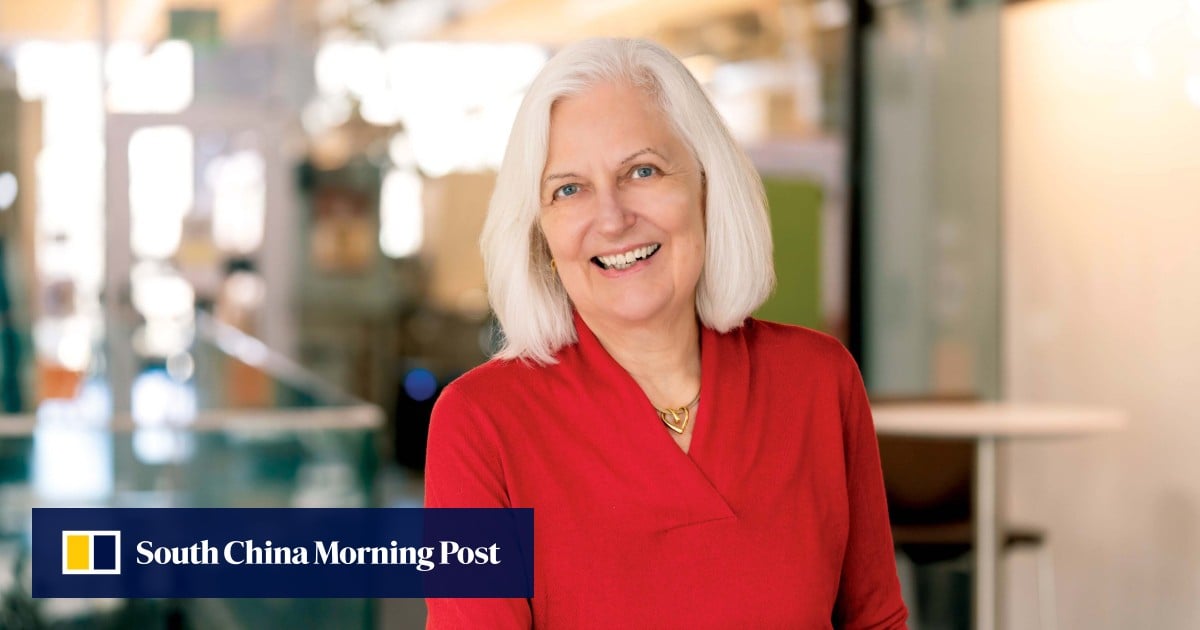
4-MIN READ4-MINBen Jiangin BeijingandLing Xinin OhioPublished: 10:00pm, 30 Jul 2026American materials scientist Elsa Reichmanis, whose pioneering work helped lay part of the foundation for modern semiconductor manufacturing, said scientific collaboration should transcend rivalry after receiving one of China’s highest honours for foreign experts, describing science as “a universal language” that benefits all of society.
Reichmanis, a professor of chemical engineering in Lehigh University’s department of chemical and biomolecular engineering and the director of its Institute for Functional Materials and Devices, was one of nine recipients of the China International Science and Technology Cooperation Award in early July.
The award recognises exceptional contributions to scientific exchanges and collaboration with Chinese researchers.
Reichmanis is best known for her groundbreaking work on chemically amplified photoresists – light-sensitive materials used to etch microscopic circuits onto silicon wafers. Her chemistry made it commercially viable to pack tens of millions of transistors – or more – onto a single silicon chip, laying the groundwork for the nanoscale semiconductor industry.
“I was shocked,” said the 72-year-old Reichmanis, an accomplished US chemistry and materials scientist, in an interview with the South China Morning Post.
China held the award ceremony on July 8 at the Great Hall of the People in Beijing. Recipients came from eight countries: the US, France, Germany, the Netherlands, Russia, Australia, Belgium and Portugal, representing marine engineering, artificial intelligence (AI), photovoltaics and oncology, among other fields.
The award, established by the State Council – China’s cabinet – in 1994, honours those who collaborate with Chinese partners on significant scientific achievements, introduce advanced technologies, cultivate domestic scientific talent and promote international scientific exchange and cooperation.