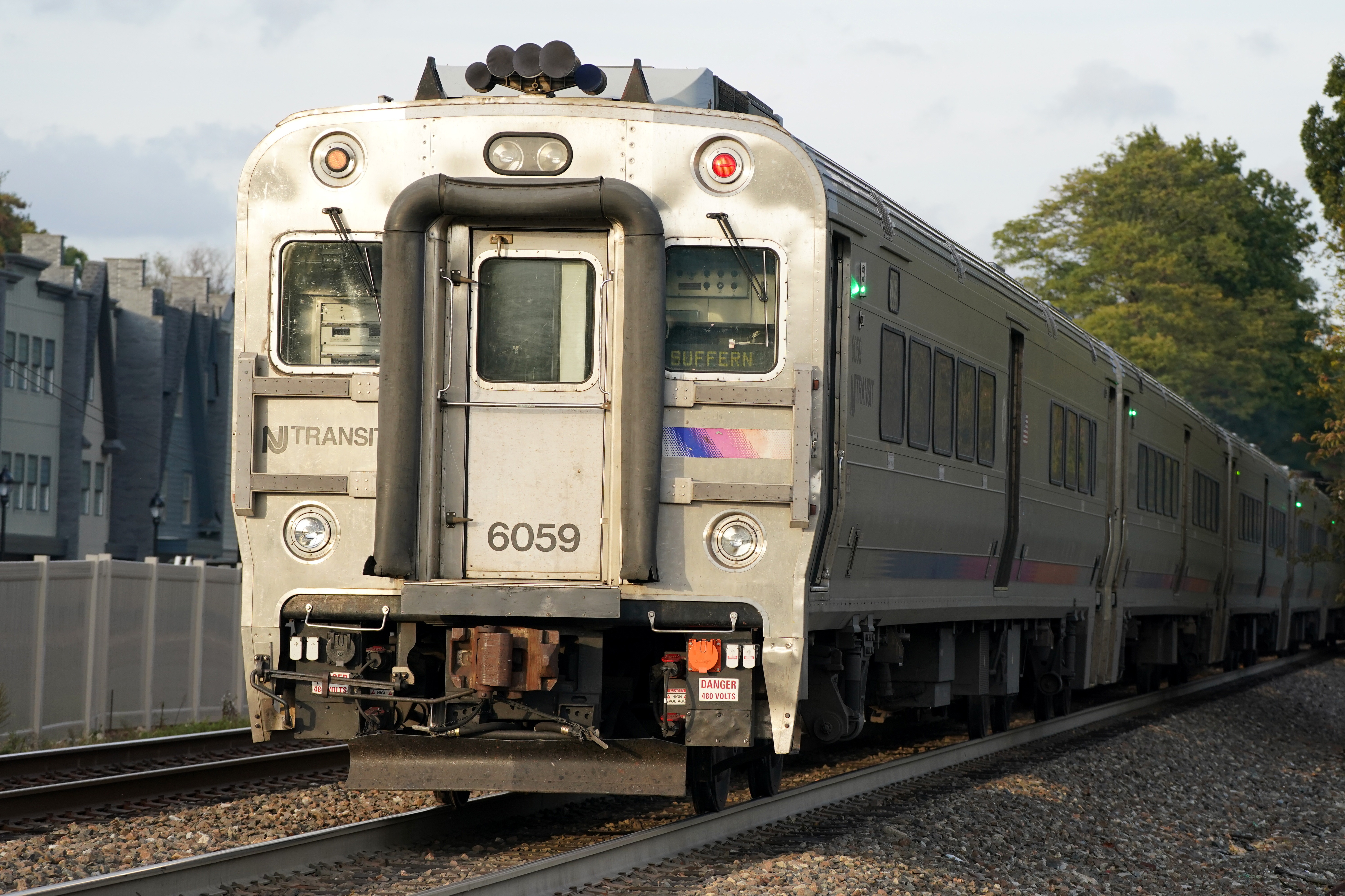
The Supreme Court ruled unanimously Wednesday that New Jersey Transit can be sued in out-of-state courts for injuries caused by the system’s vehicles.
NJ Transit had argued that it was a government agency entitled to “sovereign immunity” — a concept enshrined in the 11th Amendment that protects states from being dragged without their consent into courts serving non-residents or foreigners.
The transportation authority was established by the Trenton legislature in 1979 as a state-owned corporation, with the governor retaining veto power over key decisions such as appointing members to its board.
As Justice Sonia Sotomayor pointed out in her opinion, lawmakers “structured NJ Transit as a legally separate entity” and “the state is not formally liable for any of NJ Transit’s debts or liabilities,” while the governor can only remove eight of the agency’s 13 board members for cause.
NJ Transit had argued that it was a government agency entitled to “sovereign immunity.” Christopher Sadowski Justice Sonia Sotomayor pointed out in her opinion, lawmakers “structured NJ Transit as a legally separate entity.” AP The case argued in January concerned two traffic accidents involving NJ Transit buses in New York City and Philadelphia, both major hubs despite their location outside the Garden State.