The Fast Fire Watch Company See more of our coverage in your search results.
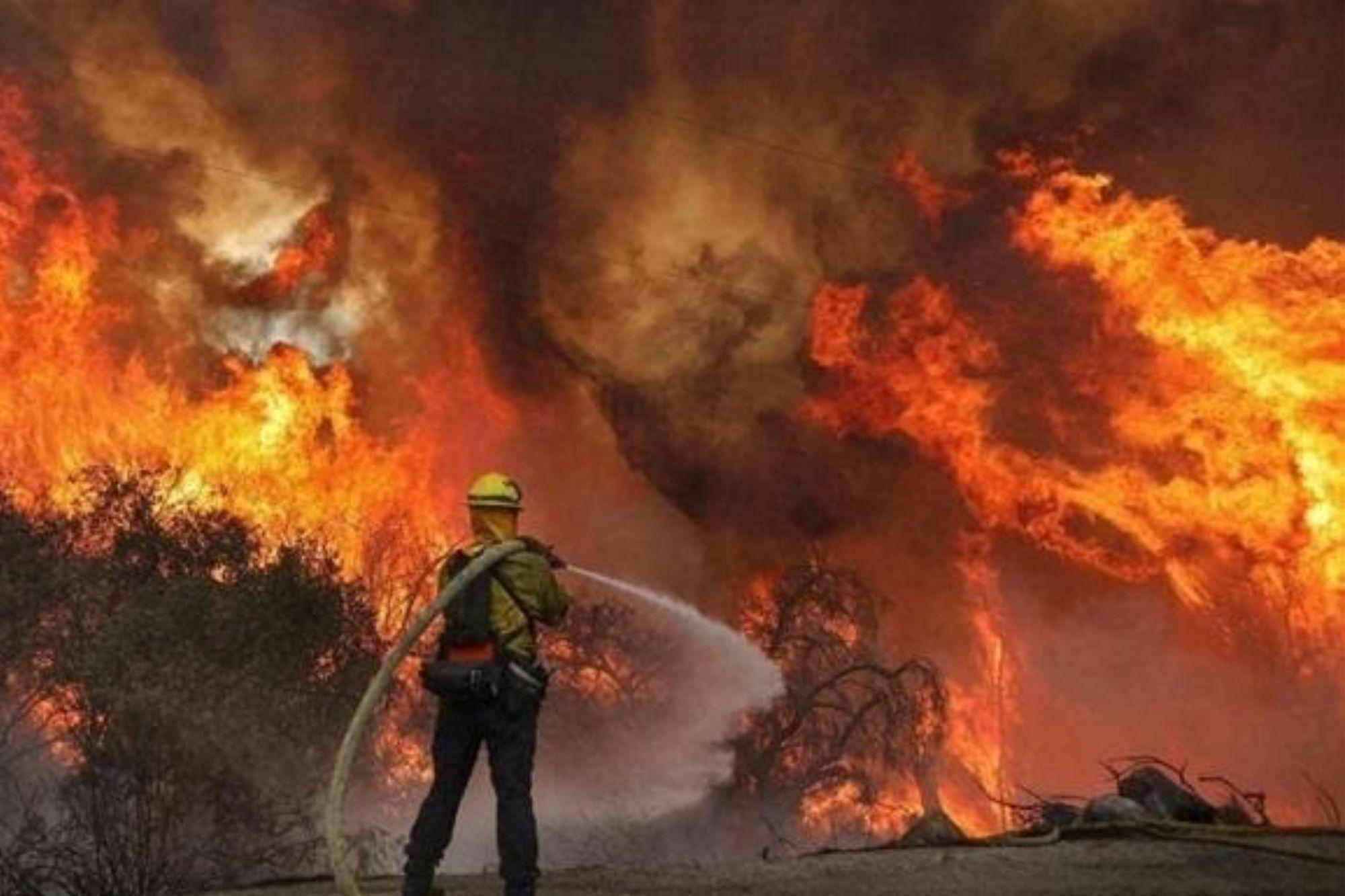
Add The New York Post on Google Fire safety is still built on basics: trained eyes, consistent patrols, clear communication, and doing the boring things correctly every single time. But the environment has changed. Sites are bigger, schedules are tighter, staff turnover is real, and expectations are higher. Meanwhile, the stakes haven’t moved an inch. In 2022 alone, the U.S. saw an estimated 522,500 structure fires and nearly $15 billion in direct property damage, according to NFPA’s “Fire Loss in the United States During 2022,” authored by Shelby Hall.
That pressure is exactly why fire watch providers are bringing AI into day-to-day operations. Not as a sci-fi gimmick, but as a practical layer that helps crews stay sharper, faster, and more consistent. For companies like The Fast Fire Watch Company, AI is becoming a behind-the-scenes assistant: it can reduce paperwork friction, help flag anomalies earlier, and give teams more context than a phone call alone.
Traditional fire watch is physical: walking routes, checking hazards, confirming extinguishers, verifying exits, watching hot work, monitoring alarm outages, documenting everything. But if you zoom out, it’s also a data loop.
AI can be useful when it helps tighten that loop. It does not replace guards, but it can support guard performance, especially when multiple locations, shifts, or site changes are in play.
Fire watch often comes with messy variables: overlapping shifts, changing access rules, weather impacts, construction phases, and last-minute scope changes. AI-assisted scheduling tools can optimize staffing patterns, reduce gaps, and highlight conflicts before they turn into “we’ll figure it out on site.”
It sounds basic, but “basic” is where most failures happen. AI can help reduce the manual burden of constantly recalculating coverage needs.
Patrol verification used to be a clipboard problem. Today it’s increasingly digital: checkpoints, timestamps, geofencing, and route adherence logs. AI can scan patrol patterns over time and flag inconsistencies that humans might miss, like:
This isn’t about micromanagement. It’s about catching drift early, before drift becomes an incident.
Anyone who has had to review fire watch reports knows the pain: vague wording, missing details, inconsistent formatting, delayed submission. AI can help standardize and improve reporting by:
This matters because documentation isn’t a “nice-to-have.” It’s compliance, accountability, and often the only reliable record of what was seen and escalated.
Human experience is valuable, but it can be uneven. AI is strong at pattern recognition across repeated inspections.
If a site keeps showing the same issue (blocked egress, storage near heat sources, temporary wiring, recurring hot work zones), AI-driven dashboards can push that pattern to the surface. The goal is not to overwhelm staff with alerts. The goal is to prioritize what needs attention today, not “whenever someone remembers.”
This aligns with a wider industry direction: connecting sensor data, operational logs, and real-time inputs to reduce avoidable hazards.
One of the most promising uses of AI in fire safety is computer vision: detecting smoke, flame patterns, or unusual visual cues faster than a person can react. Research in this area includes NIST work on machine learning and sensor data for cooktop fire prevention, as well as separate FiSS research by Michael Ngai and co-authors on using video-based models to identify signals associated with cooking-fire risk.
For fire watch, this can be a support layer where cameras are already present, especially on high-risk sites or during periods when systems are offline. The key word is support. Video analytics should inform trained personnel, not replace judgment.
When something looks wrong, speed matters, but so does context. AI-supported systems can package relevant information quickly:
That can help supervisors and clients make more informed decisions with fewer back-and-forth calls. It may also support a clearer audit trail, which can be important in regulated environments.
It’s tempting to focus on flashy detection tech. But in practice, AI delivers serious value in the quieter areas:
Those improvements are not cosmetic. They influence outcomes. And outcomes matter, given the reality of fire statistics in the U.S., including thousands of civilian deaths and injuries annually.
From a client perspective, AI-enabled fire watch tends to produce three noticeable differences:
The goal is not longer reports, but reports that are more structured, consistent, and easier to review.
AI-supported tools may help reduce gaps, assumptions, and situations where responsibilities are unclear.
When the same issue appears repeatedly, AI-supported tracking can help turn isolated observations into a visible pattern for review.
There’s a line that responsible providers shouldn’t cross. AI can misclassify signals. Sensors can fail. Cameras can be blocked. A model can be confidently wrong. That’s why credible fire safety organizations emphasize responsible adoption and clear safety frameworks around AI-enabled systems.
The safest approach treats AI as decision support, not decision-making.
That balance is what makes the technology useful without becoming reckless.
AI is beginning to influence fire safety operations in practical ways, including scheduling support, patrol verification, reporting, escalation, and visibility into repeat hazards. It’s not about replacing people. It’s about making the people on the ground more consistent, more informed, and less buried in admin work.
In fire watch, the benefits are often incremental. Better documentation, more consistent patrol tracking, faster escalation support, and improved visibility into hazards may help reduce the chance that important details are overlooked during busy shifts. And in a field where the cost of failure is measured in lives and massive property loss, those small improvements are exactly the ones worth chasing.
The information provided in this article is for general informational and educational purposes only. It is not intended as legal, financial, or professional advice. Readers should not rely solely on the content of this article and are encouraged to seek professional advice tailored to their specific circumstances. We disclaim any liability for any loss or damage arising directly or indirectly from the use of, or reliance on, the information presented.