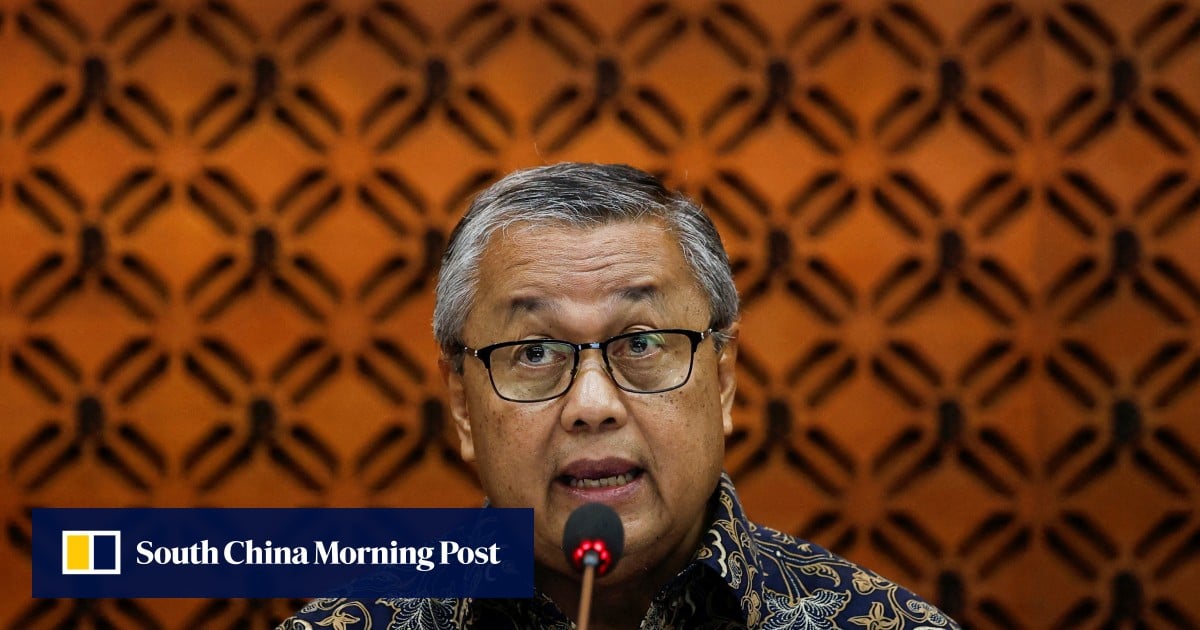
Concerns over the independence of central banks in Indonesia and beyond have grown after Perry Warjiyo’s resignation
3-MIN READ3-MIN ListenBiman MukherjiPublished: 7:08pm, 28 Jul 2026The sudden resignation of Bank Indonesia’s governor highlights a dilemma that he and his central bank peers in the region have faced in calibrating interest rates – either tighten policy to defend weakening currencies and contain inflation, or loosen it to support pro-growth mandates – according to analysts.
Warjiyo, who led the Indonesian central bank for eight years, did not indicate his intention to leave until Friday, according to a Bloomberg report. He resigned on Monday nearly two years before the end of his second term.
Prabowo has targeted 8 per cent annual economic growth during his term. This target has created friction between Jakarta and Bank Indonesia due to Warjiyo’s decision to increase interest rates to bolster the rupiah, analysts say.
The central bank has raised interest rates by a cumulative 100 basis points to 5.75 per cent since May to defend the rupiah.
Volatile oil prices linked to the US-Iran war have contributed to the rupiah’s decline. After falling to an all-time low of 18,190 per US dollar on June 8, the rupiah has pared back losses but was still trading above the 18,000 mark as of Tuesday.