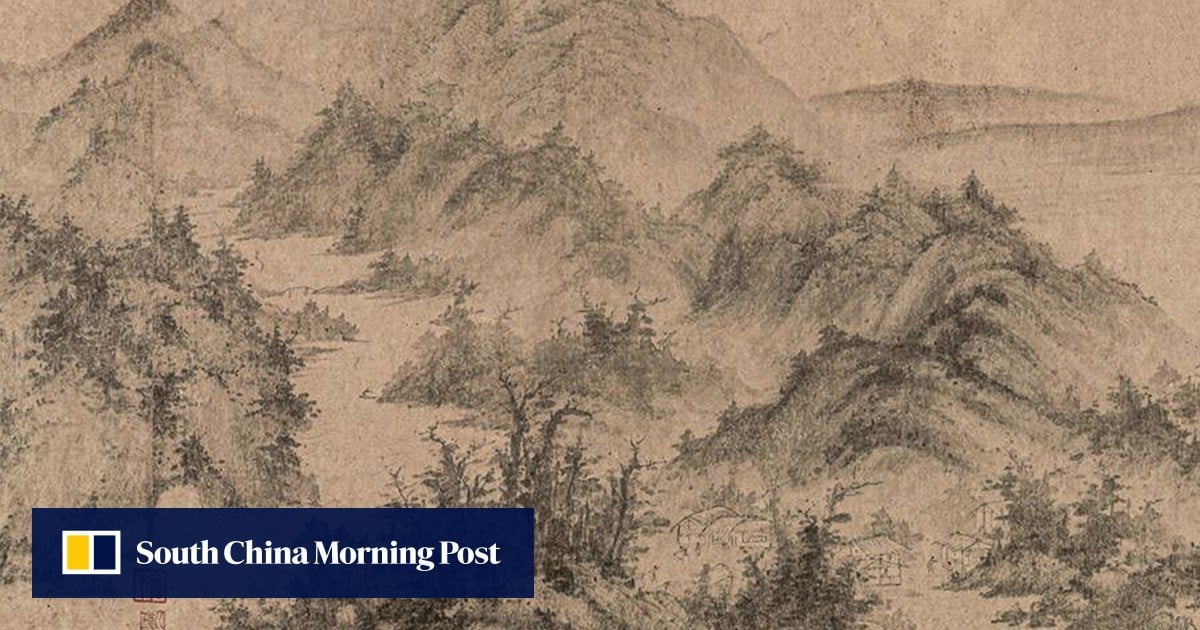
A netizen notes that travel is about breaking routine to find peace and joy, not just visiting tourist sites
2-MIN READ2-MINFran Luin BeijingPublished: 6:00pm, 27 Jul 2026The Chinese aesthetic practice of wo you, which literally translates to “travelling while lying down,” is an artistic tradition that merges Taoism and Confucianism, enduring for centuries and now embraced by younger generations as a symbol of slow living.
The term was originally coined by the 5th-century Chinese painter Zong Bing.
Zong had a love for travel in his youth, but as he aged and fell ill, he was forced into seclusion. To preserve the landscapes he had once visited, he painted them and hung his artworks on the walls of his room, allowing himself to “travel while lying down.”
Over time, wo you evolved into a traditional means of appreciating Chinese landscape painting.
The Southern Song dynasty poet Lu You (1125–1210) famously noted: “No longer as bold and spirited as in my prime, I content myself with travelling the world through paintings.”
Additionally, a famous story from the Northern Song dynasty features poet Qin Guan (1049–1100), who experienced a miraculous recovery from intestinal disease upon receiving a copy of Tang dynasty (618–907) poet Wang Wei’s wall painting, Wangchuan Picture.