Skip to main content Close Ukraine Mideast conflict France France 24 live See all shows Latest Newscast Closed-captioned Newscast TV guide Headings
China on Wednesday kicked off its annual "Two Sessions" political meetings during which the country's leadership will announce its annual growth target, defence budget and new five-year plan. The National People's Congress will ratify new laws decided by China's Communist Party leadership.
Issued on: 04/03/2026 - 10:55Modified: 04/03/2026 - 10:57
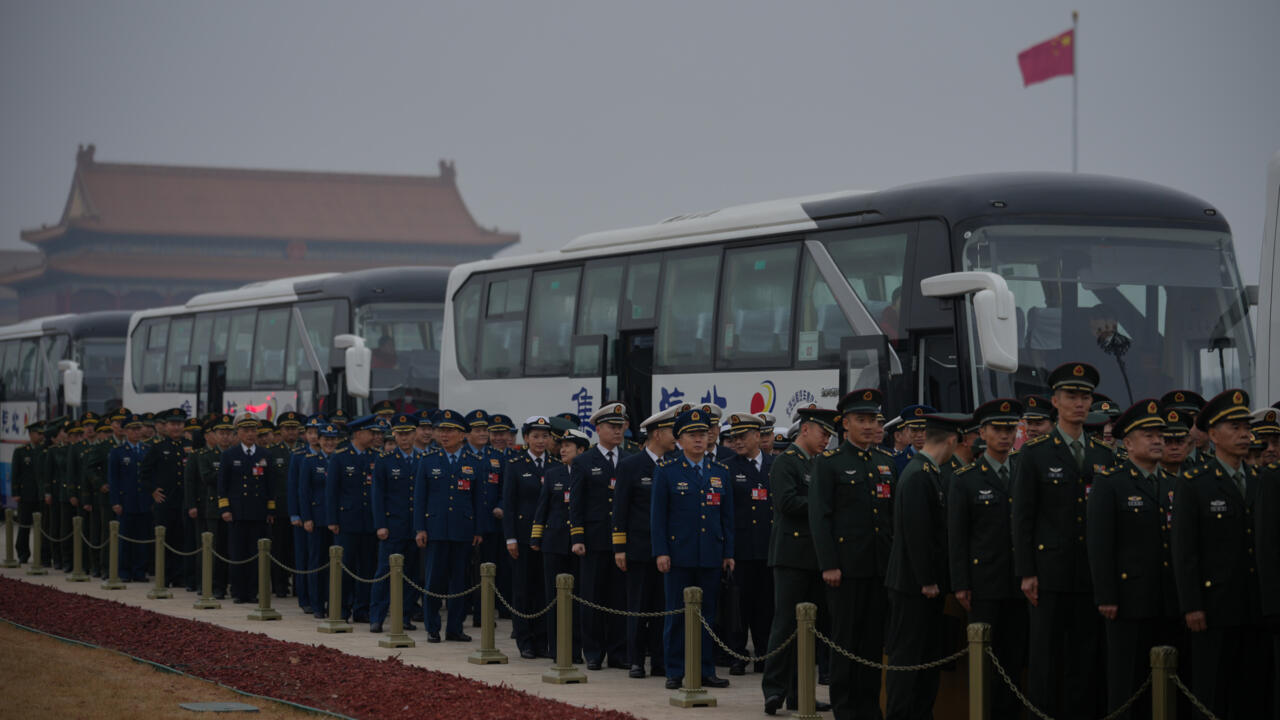
By: FRANCE 24 Military delegates arriving at the preparatory session of the National People's Congress at the People's Palace in Beijing, China, on March 4, 2026. © Andy Wong, AP China began the first of its "Two Sessions" political meetings on Wednesday, a grand political theatre during which it will outline its annual growth target and defence budget, as well as its roadmap for the next five years.
Read moreUS-Israeli strikes on Iran put China’s energy security at risk
Analysts, however, fear Beijing will not veer far from its current path despite the need for reform.
President Xi Jinping is overseeing a week of political meetings in Beijing's Great Hall of the People that will effectively rubber-stamp decisions already made by the Chinese leader and the ruling Communist Party.
China's 15th Five-Year Plan will be the showpiece of the annual Two Sessions political gathering, which opened on Wednesday with the start of the Chinese People's Political Consultative Conference, a political advisory body.
Premier Li Qiang will open the second of the two meetings – the National People's Congress (NPC) – on Thursday, during which he will outline key growth targets for the world's second-largest economy.
There are pressing issues that need to be addressed, not least among them sluggish domestic consumption and a shrinking and ageing population.
China's leaders have vowed to "create new demand through new supply and provide strong innovative measures", but sceptical analysts will be made subordinate to Xi's safety-first path and entrenched power.
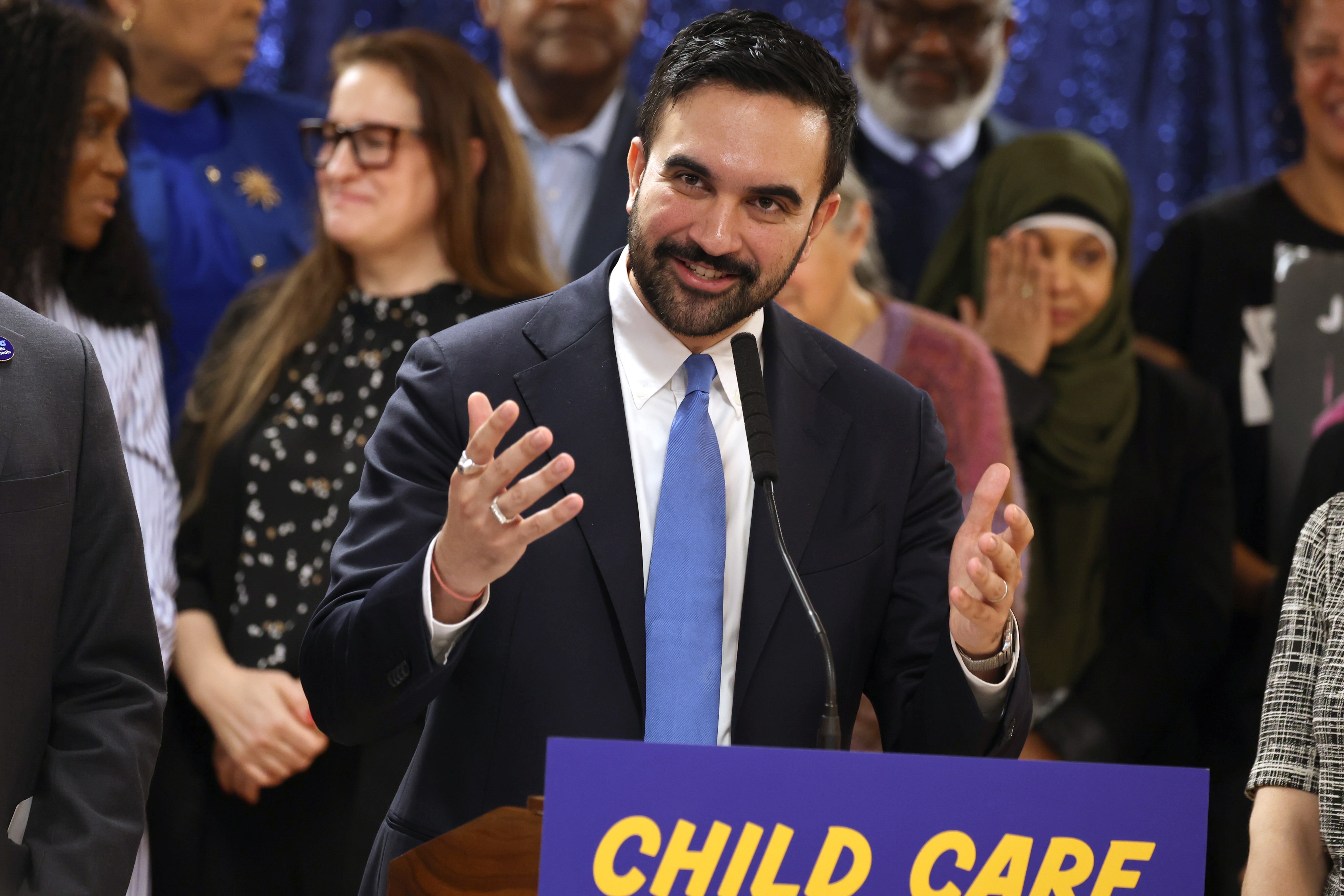
The NPC, the national legislature, will also enact laws on childcare services, social assistance and medical insurance, a spokesperson told a press conference on Wednesday.
"The thrust of it is to double down on the direction of travel Xi had already set," Steve Tsang, director of the SOAS China Institute, said.
Nowhere is that approach more obvious than in Xi's signature campaign against corruption, which has concentrated on the military in recent weeks and toppled some of its most senior generals.
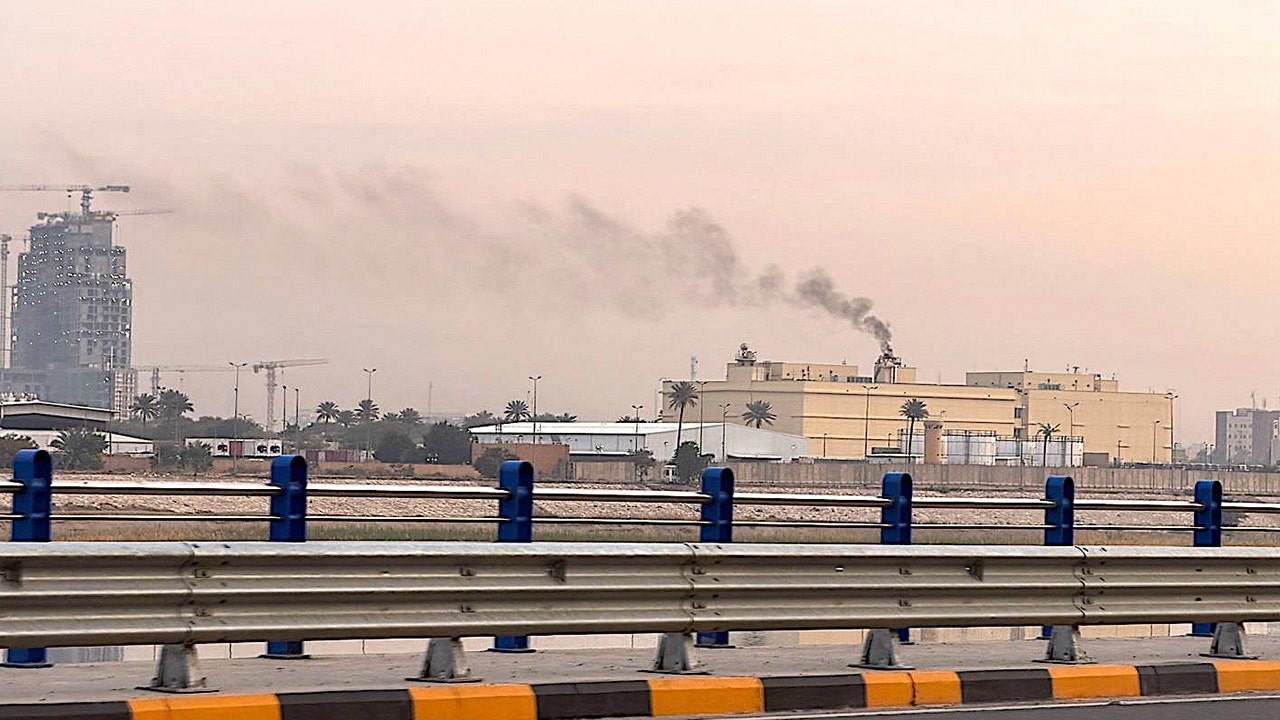
However, analysts will also be watching to see if China adjusts its military planning in response to the outbreak of war in the Middle East, following US and Israeli strikes against Iran over the weekend.
The conflict "will have an impact on the Two Sessions in various ways", said Dylan Loh, an associate professor at Singapore's Nanyang Technological University.
"The Iran crisis will manifest more clearly at the usual foreign minister's press conference. It is anticipated that Iran and US/Israel developments will get a thorough airing," he said.
China's economy expanded by five percent in 2025, in line with Beijing's target but one of its slowest in decades.
This year's target is even lower, between 4.5 and five percent, with many provinces reducing their GDP targets in recent weeks.
China's leaders say the economic model must shift towards consumption-based growth, rather than traditional drivers such as production and exports.
Yet a flagging property market, deflation and youth unemployment have left consumers tightening their purse strings.
Over-production and international trade tensions have also loomed over industrial output, and this year's plan is set to concentrate on high-tech manufacturing, green transition and supply chain resilience.
Beijing has poured billions into robotics and has also witnessed a rapid growth in new artificial intelligence companies, spurred by the success of startup DeepSeek.
Geopolitical tensions had also left their mark, even before war broke out in the Middle East with the strikes on Iran.
"China's growth logic has shifted from chasing fast GDP growth at all costs to balancing economic growth with national security, to ensure its supply chains and key industries cannot be easily disrupted by other nations," said Marina Zhang, an associate professor at the University of Technology Sydney.
China also faces serious demographic challenges, with its population shrinking in successive years.
To display this content from YouTube, you must enable advertisement tracking and audience measurement.
One of your browser extensions seems to be blocking the video player from loading. To watch this content, you may need to disable it on this site.
© France 24 02:10 Its leaders have pledged more childcare relief, including subsidies of around $500 a year for every child under the age of three, but such measures have done little to boost births.
Former US defence official Drew Thompson said there is low appetite for innovation when the "overarching objective politically is security".
"There are some serious societal challenges that the party has to adapt to, and the tools they're using are pretty traditional ones," Thompson said.
But when the "overarching objective politically is security... there's no desire to be innovative", former US defence official Drew Thompson said.
Page not found The content you requested does not exist or is not available anymore.