Add The New York Post on Google Tens of thousands of people could have been exposed to Legionnaires’ disease at crowded NYC institutions such as the Metropolitan Museum of Art — but a Post review found that none warned visitors that they may have been exposed to the potentially deadly bug.
The Upper East Side outbreak has killed five New Yorkers and sickened 87, with 77 cooling towers testing positive for the presence of Legionella bacteria since July 2.
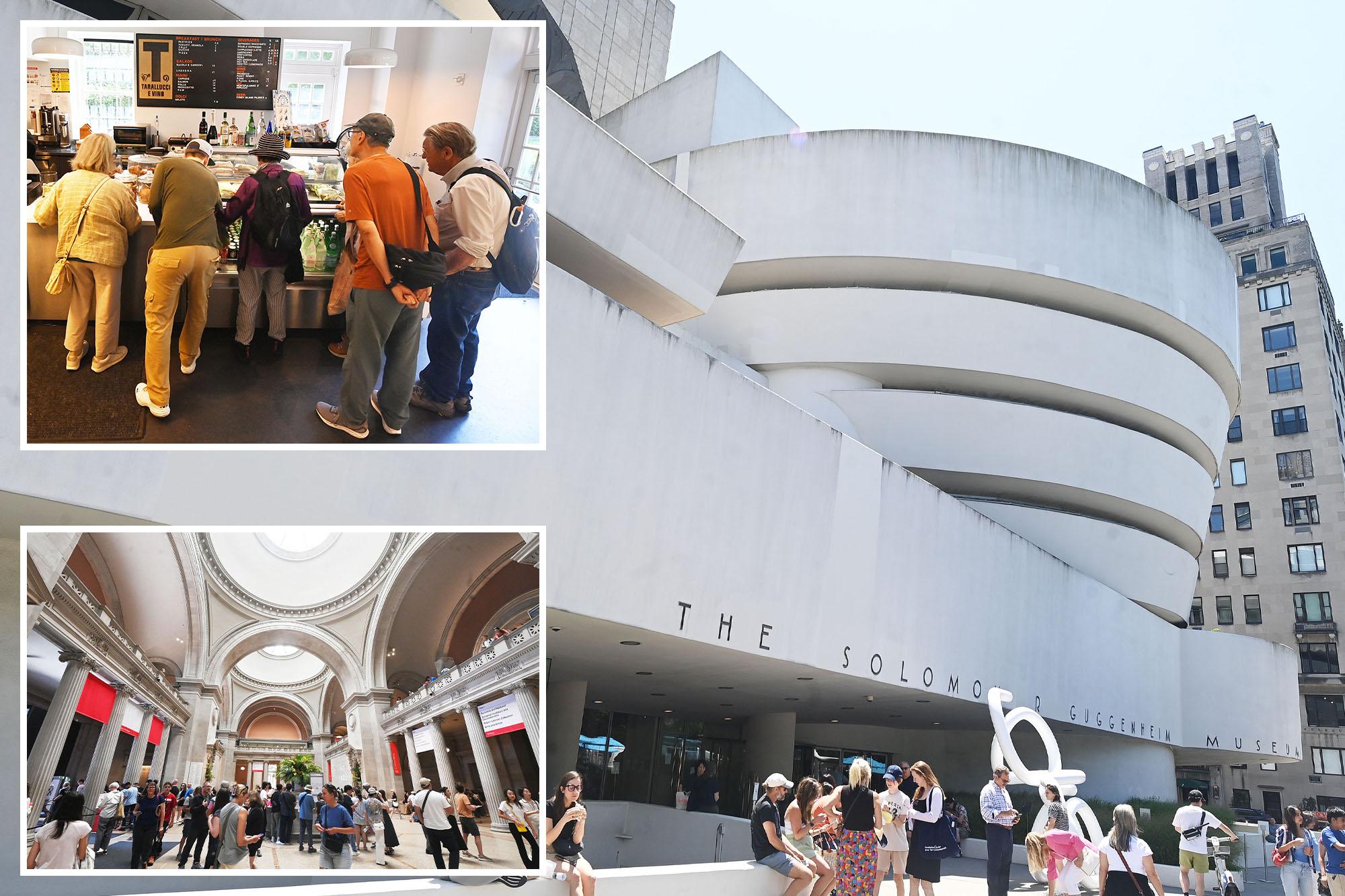
Major city attractions including The Met, the Guggenheim Museum, a Marriott Hotel, and All Souls Church all had cooling towers that tested positive, according to the city Department of Health.
Yet none of the half dozen prominent contaminated sites posted signage or warnings on their websites that visitors might have been exposed to the deadly bacteria and should seek medical testing.
A Guggenheim gift shop worker told The Post that museum staff was notified about the Legionnaires’ outbreak on July 8 but that employees were not informing customers.
To learn if a business has tested positive for the bacteria, an individual would need to look up its address on the Health Department website.
Delay in diagnosis and treatment could be the difference between life or death, experts said.
Legionnaire’s disease, a form of pneumonia, spreads when people inhale mist or tiny water droplets from water sources contaminated with Legionella bacteria, according to the Centers for Disease Control and Prevention. The disease is fatal in about 1 in 10 diagnosed cases.
The first 24 hours after contagion is critical to avoiding serious illness or even death, Dr. Natalie Exum, assistant professor at Johns Hopkins University, told The Post.
“You need to get diagnosed within 24 hours because of how severe the disease can get. . . . That’s what you want. To catch it early so you don’t end up in the ICU,” she said.
Visitors outside The Met were furious when told about the absence of notification.
“Why isn’t there public awareness or why do we not know going into a place? . . . I look at what happened during COVID, and we should have learned from that,” said David, 51, an Upper East Side resident.
“I didn’t see any signs. . . . even . . . a mask or something,” said Krista, a tourist from Louisiana .
City Councilwoman Joann Ariola slammed the facilities for keeping their customers in the dark about a possibly fatal disease, and accused them of putting profits ahead of public health.
“They need their summer dollars, and it doesn’t matter if visitors are put in danger as long as there’s money coming in the door,” Ariola told The Post.
“A lot of the people who run these places are the same so-called bleeding hearts who won’t hesitate to spout the latest virtue signal, but when it comes to their own institutions, suddenly those bleeding hearts turn to stone.”
The Met insisted it took all necessary remediation action once their water systems tested positive.
“The safety and well-being of The Met’s visitors, staff and volunteers is of the utmost importance,” a Met spokesperson said.
A Guggenheim spokesperson told The Post its museum is safe and that it took all necessary precautions — saying that its drinking water, bathrooms, and air conditioning posed no risk to customers according to the Department of Environmental Protection.
“The city confirmed that immediate remediation was the most important step and that there is no additional action needed,” the spokesperson said.
Some smaller businesses The Post visited did take steps to notify customers.
Butterfield Market on E85th Street displayed signs on their windows alerting customers to potential exposure, The Post found.
Chief Operating Officer Christopher Deluna said that his business found out about the exposure on July 7, and that the cooling tower was cleaned the following day at noon.
City Council Speaker Julie Menin introduced legislation demanding the city take proactive steps to identify cooling towers businesses failed to test for Legionella and to pre-emptively clean them.
She also vowed to hold a hearing in September probing the Mamdani administration’s response to the outbreak and hold it accountable for New Yorkers not having real-time updates about infected areas.
“Please note that we were on the city’s remediation list because we took appropriate early action to protect tenants, members, and visitors,” President of All Souls Board of Trustees Dixie Goss said.