Add The California Post on Google The LAPD is suspending its deal with a surveillance company that operates license-plate reading cameras over a disagreement with the vendor over who controls the footage, department officials revealed.
The department is halting its ties with Flock Safety, which operates some of the LAPD’s network of license plate cameras, amid ongoing contract negotiations, department CIO Dean Gialamas told The Post.
Atlanta-based Flock has been accused of sharing data with the federal government, although the company says it does not share customer data with any entity, federal or otherwise, without permission.
Anti-police activists in LA have criticized the technology, saying its data has been used by federal immigration authorities. Cities in Texas, Illinois, Wisconsin and Michigan have severed ties with Flock, while departments in Georgia and Oklahoma continue to use it.
A group called Stop LAPD spying said the LAPD and the City of Los Angeles over the police department’s refusal to release records related to its use of Flock’s AI-powered camera network.
Gialamas said the LAPD is protecting the privacy rights of citizens.
“Our priority is about protecting the constitutional rights and civil liberties of those we serve,” said Gialamas. “We’re trying to clarify terms so that the data ownership and security is firmed up.”
The Board of Police Commissioners in March asked the LAPD to issue a report on the data that Flock’s scanners collect and share. The commission declined to approve donations of Flock cameras in recent months.
“There have been concerns raised by the public, by some commissioners, by some of our city council members,” Gialamas said.
Flock didn’t immediately respond to a request for comment.
“The sticking point is around having very clear terms about who owns the data, what happens with the data once they collect it,” said Gialamas.
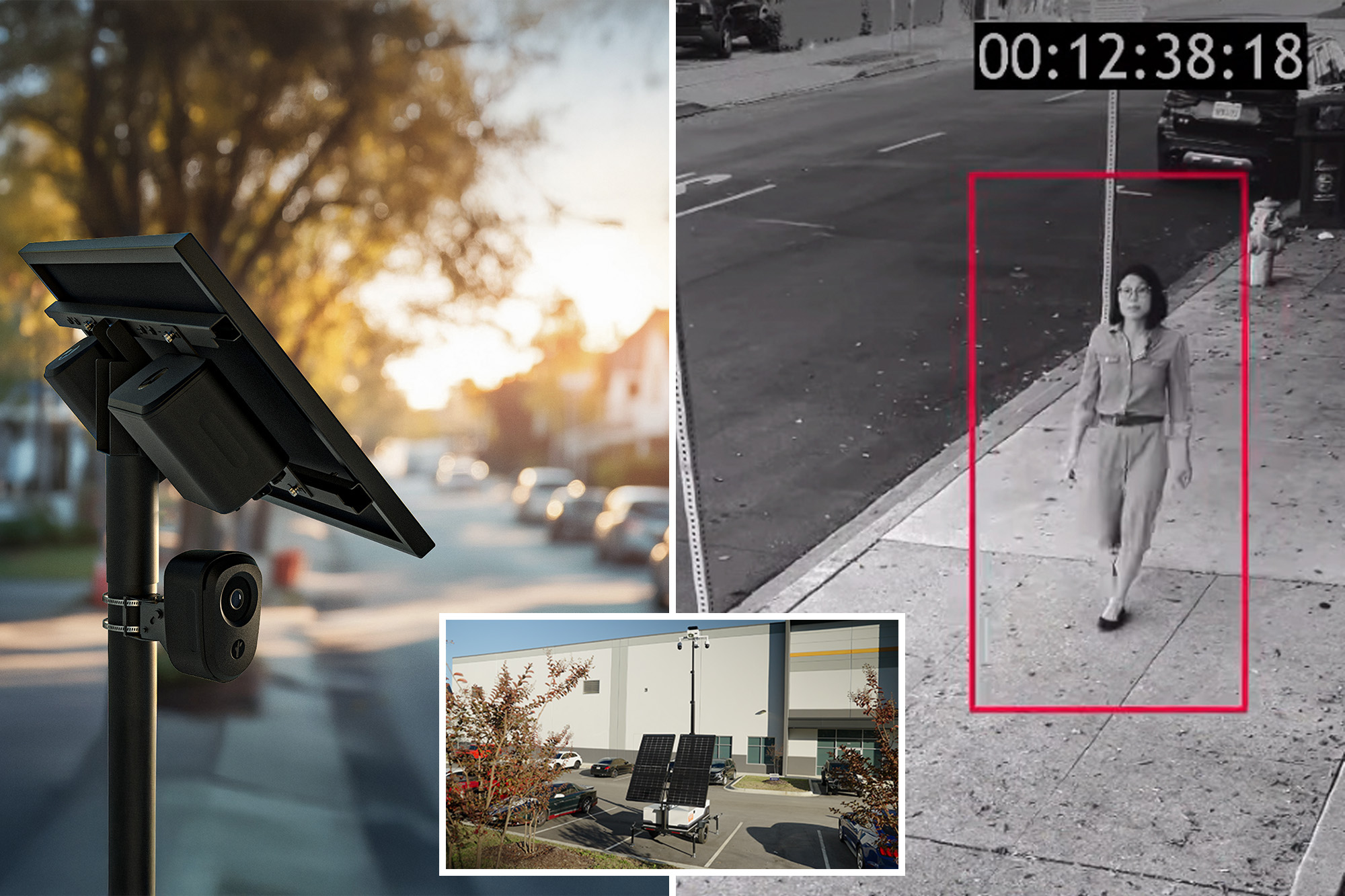
Automated license plate readers are either mounted on police vehicles or affixed to poles or portable trailers. They automatically photograph and convert license plate numbers to text, recording the exact location, date, and time.
Los Angeles police use Flock’s automated license plate readers to scan for vehicles that have been reported stolen or are registered to wanted fugitives, tracking their locations throughout the city. Flock is used by about 5,000 law enforcement agencies across the U.S.
LAPD officials say the cameras are valuable crime fighting tools that enable officers to instantaneously locate dangerous criminals who may be trying to evade cops, saving countless hours of police work and improving the safety of the city.
“Just even a description of the vehicle is enough for us to be able to start looking at vehicles in the area, and then start the investigative lead process in order to solve those crimes.” Gialamas said.
The LAPD uses a network of about 1,500 automated license plate readers that are mounted in squad cars, along with about another 160 cameras mounted to poles and other structures, located mostly in the city’s Westside and the San Fernando Valley.
The cameras continuously monitor traffic and can scan license plates faster than human operators. They use an algorithm to check plates against crime databases and quickly notify police when a “hit” occurs, such as a stolen car, an AMBER alert or an arrest warrant.
In 2024, LAPD license plate cameras conducted 1,132,441,520 reads, resulting in 301, 655 hits.
Automated license plate readers have been employed in LA for more than two decades, officials said. Every U.S. police force serving a city of more than 1 million residents uses it, according to the Bureau of Justice Statistics, including New York, Chicago and Houston.
Mayor Karen Bass has supported the LAPD’s use of the cameras but said she opposes sharing the data collected with their systems with the federal government.
“I think those cameras are important, but I think that it is completely unacceptable for them to send that information then to federal officials,” Bass told a reporter in May. “We do not want to see that happen.”
Flock is one of three vendors hired by the city for automated license plate readers, Gialamas said, and account for a small portion of the LAPD’s automated license plate readers. The LAPD will stop using Flock cameras tomorrow.
“I think people are questioning their civil liberties because of these cameras, and we need to assure that the policies that we use and the contracts and agreements that we engage with vendors clearly articulate that,” said Gialamas.