Add The California Post on Google From the “It looks bad, even if it’s legal” files:
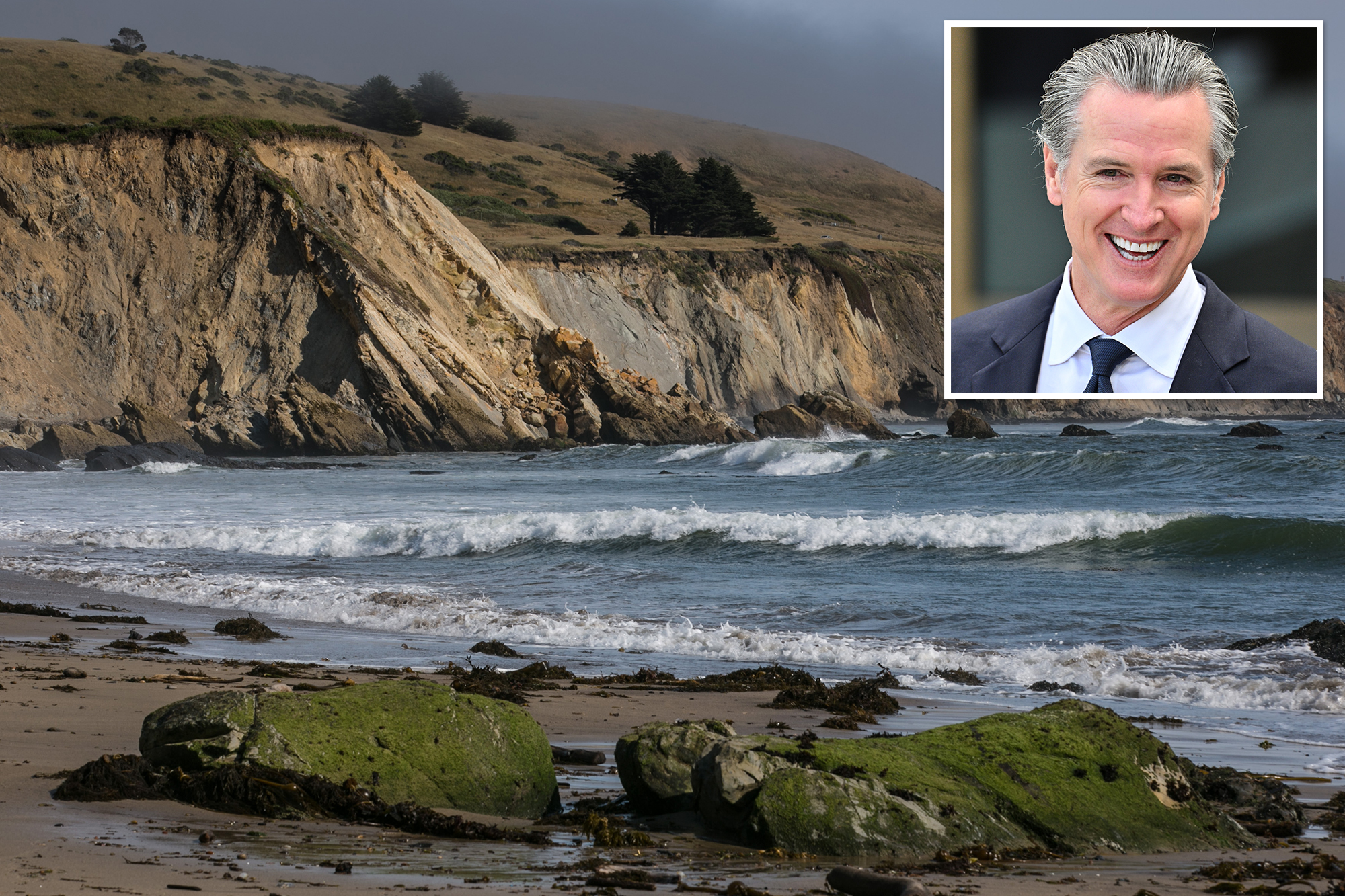
California has given away 136 acres of coastal land in Mendocino County to a group of three Indian tribes.
This land was a valuable public resource, ceded for no financial consideration.
California has given away 136 acres of coastal land in Mendocino County to a group of three Indian tribes. Getty Images The key questions are obvious:
What is the land’s market value? Why give it away for essentially nothing? And what does the public really gain from this apparent handout?
While politicians like to virtue-signal about “returning” native land — a policy that never extends to their own real estate, of course — it’s unclear how overtaxed Californians benefit from giving public assets away.
Even so: This was enough of a priority for state officials that they spent years ensuring that it happened.
In 2021, legislators passed and Gov. Gavin Newsom signed a bill authorizing the giveaway to Kai Poma — a nonprofit controlled by three tribes with ties to the region: the Sherwood Valley Band of Pomo Indians, Round Valley Indian Tribes and Coyote Valley Band of Pomo Indians.
In 2021, legislators passed and Gov. Gavin Newsom signed a bill authorizing the giveaway to Kai Poma. AP Photo/Jon Cherry Question: Why did the legislation authorizing this giveaway specify the transfer to occur “at no cost,” yet fail to include an appraisal of the land?
Shouldn’t the public know what an asset is worth before the state hands it to a private group? Seems basic.
It’s also fair for state residents to wonder: Why, with taxes so high and the state constantly spending more than it collects from residents, should California hand over a vast tract of land for no financial consideration?
Such “transfers” also raise questions going forward.
The acreage had been acquired by the state’s transportation department, now Caltrans, in the 1960s to support the State Route 1 corridor.
The current giveaway, on the premise that Caltrans no longer needs the property and does a poor job maintaining it, sets a troubling precedent.
Which public resources might the agency seek to hand out next, and at what cost to taxpayers?
From a legal standpoint, the transfer is not a gift of public funds because it was specifically authorized by legislators, and because nonfinancial consideration was ostensibly received by the state.
The latter claim is dubious, at least in practical terms.
The legislation requires the tribes to conserve the land and allow at least some public access, for instance.
But the land already had been conserved and the public already had access to the land.
Perhaps the tribes will more effectively manage the land than Caltrans did, as the state has claimed.
But if that’s the advocates’ key argument, is there a written plan to better steward the property? And if no such plan exists, how could state officials know this was a good idea?
It’s also fair to wonder if — down the road — the “deal” will evolve into something even more beneficial to the tribes, with fewer public protections.
The entire process appears, from Californians’ perspective, less than rigorous and not particularly transparent.
Legislators and the governor should treat public assets as belonging to the public, and not as baubles for politicians to give away as they wish.