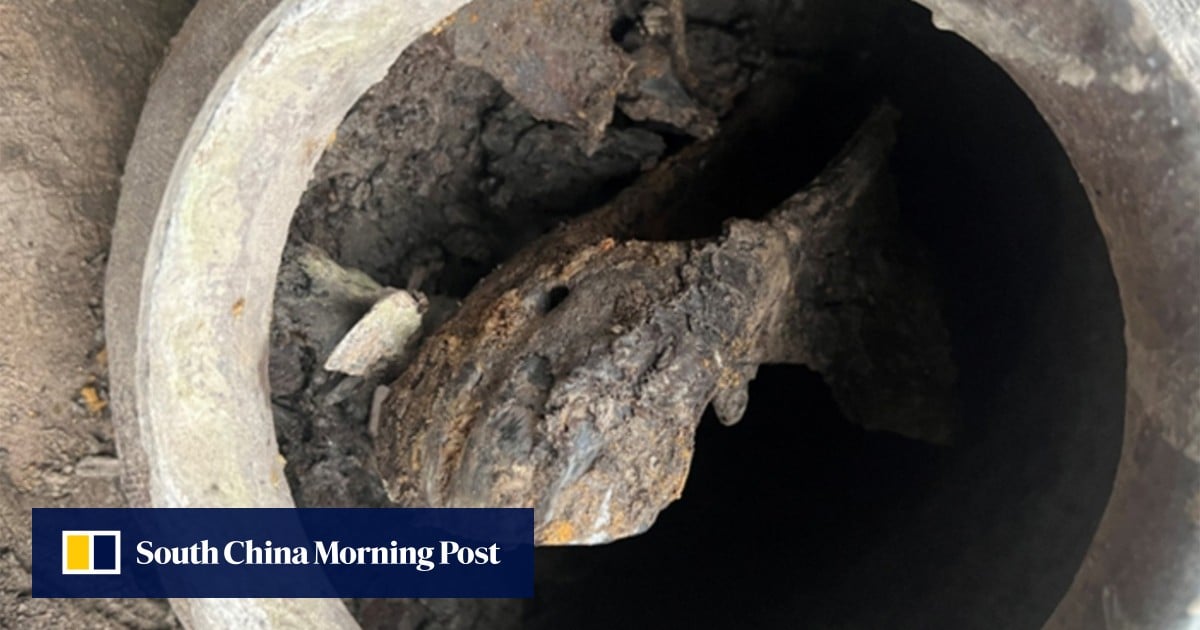
The sacrifice was an elaborate procedure, indicating it was of utmost importance to the highest echelons of ancient society
2-MIN READ2-MIN ListenKevin McSpaddenPublished: 4:00pm, 5 Jul 2026From the ancient Aztecs’ efforts to appease the sun god to Apollo’s demands in the Iliad, human history is permeated with traditions of sacrifice, and China was no exception.
In Zhejiang province, eastern China, scientists recently announced the discovery of a horse’s head sealed inside pottery at an ancient ritual site, dating back to the Eastern Zhou dynasty (770–256 BC).
The Eastern Zhou dynasty encompassed both the Spring and Autumn Period (770–476 BC) and the Warring States Period (475–221 BC). The Yue state, a significant region during this era, was renowned for its advanced metalwork, particularly in sword-making.
According to China’s National Cultural Heritage Administration, this finding suggests that the Yue state, which thrived during the first millennium BC, conducted organised, state-sponsored sacrificial rituals.
In its announcement, the heritage administration stated: “Experts note that horses were highly valued animals during the Yue Kingdom period, and the inclusion of a horse’s head in a pottery jar as a sacrificial offering underscores the high status of the object and the sophistication of the ritual system at that time.”
Previously, horse bones were typically interred in pits or ditches; the presence of a skull in a jar indicates that this particular sacrifice was overseen by the highest echelons of Yue society.