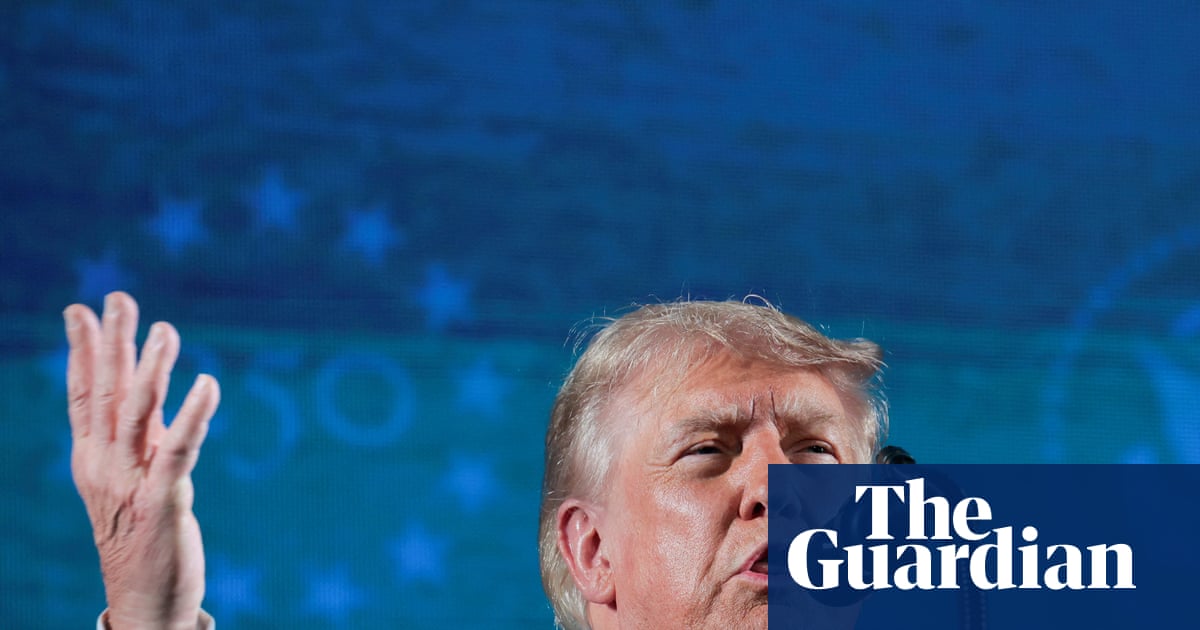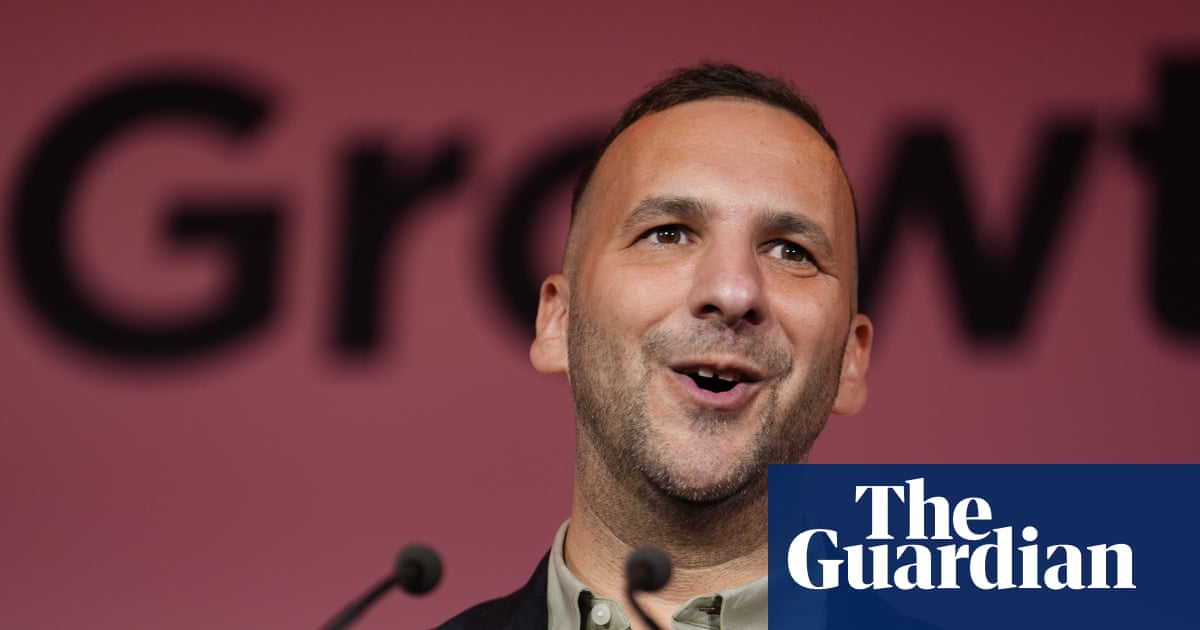
In less than a year as leader Polanski has more than tripled Green party membership in England and Wales. Photograph: Jordan Pettitt/PAView image in fullscreenIn less than a year as leader Polanski has more than tripled Green party membership in England and Wales. Photograph: Jordan Pettitt/PAAnalysisWhat impact will Andy Burnham have on Zack Polanski and the Greens?Peter Walker Senior political correspondentVoters disillusioned with Starmer’s Labour were tempted by the Greens – but Polanski’s party fears the affable, left-leaning Burnham could win them back
The shift was notable. A week after Keir Starmer said he would resign, YouGov polling showed Labour up two points and the Greens down by the same amount. Might an Andy Burnham premiership mean a rethink for Zack Polanski’s party?
The short answer is it is too early to know, particularly in an era of unprecedented political volatility and the seesawing poll numbers that come with it. This year alone, a five-point Labour lead over the Greens has become a similar margin in favour of the Greens, and then a seven-point advantage for Labour.
But many Greens accept that Burnham might be a different proposition to take on.
Polanski, in just 10 months in charge of the party in England and Wales, has more than tripled the Greens’ membership, yanked poll ratings stuck at about 10% to near twice that, and shocked Reform UK and Labour by winning the Gorton and Denton byelection.
Much of this success has come from tempting voters disillusioned with Starmer’s Labour. Separate YouGov polling also released this week showed the sheer scale of this cross-appeal, with 85% of 2024 Labour voters saying they had a favourable impression of Polanski’s party.
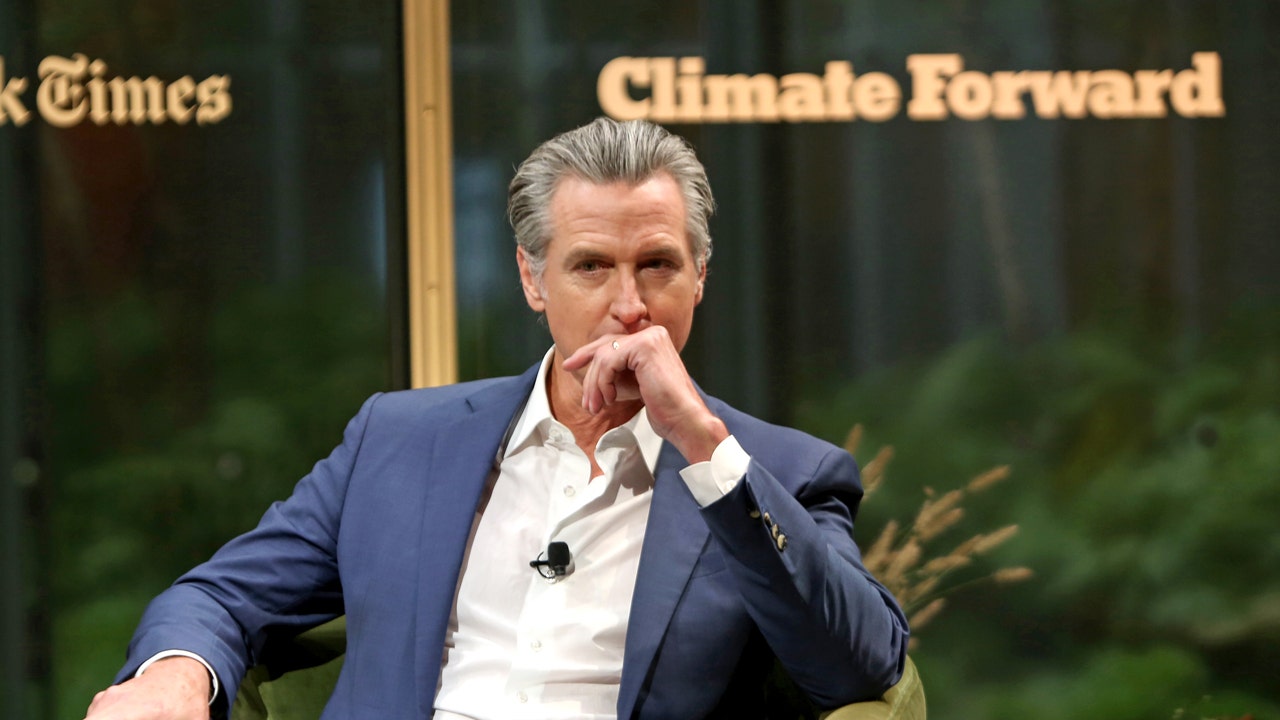
View image in fullscreenSome senior Greens say Burnham’s likely policy agenda is not sufficiently different to allow a lasting Labour poll bounce. Photograph: Alastair Grant/APIt is unclear, for now, how much of this holds true for Burnham, who is a better communicator than Starmer and able to articulate ideas that sound left-leaning, whatever they might mean in practice.
Read more“A lot of the impact Zack has had in these first nine months has been because there was a clear space for an affable leader who is to the left of Keir Starmer, and there now will be questions about whether that space is still there,” one senior Green said.
“If we have a PM who is seen as more left, us simply going further to the left isn’t going to deliver the results we want.”
Others in the party are more sanguine, with many saying they were prepared for a Labour poll bounce once Starmer was removed, but did not see Burnham’s probable policy agenda as being sufficiently different to make this long-lasting.
“Keir Starmer came in saying he was going to do a lot of things, and it was that sense of dashed hopes that did for him,” one Green official said. “I can see the same thing happening with Burnham. There feels like such a desperation for him to make a difference. If he doesn’t – either because he won’t or because he hasn’t got the time or leeway – people will feel let down.”
View image in fullscreenAfter the Gorton and Denton byelection, where the Greens overturned a huge Labour majority, the Greens say people no longer see them as a wasted vote. Photograph: Christopher Thomond/The GuardianOthers point out that many Greens fled Labour because of issues that Burnham is unlikely to respond to, such as a tougher line on Gaza and Israel and the full nationalisation of utilities like water.
“Burnham definitely is showing a bit of leg when it comes to policies more from the left, but I suspect there is not much more than that to it,” another senior figure in the Greens said.
One repeated refrain is that the Greens are a very different party to the one Polanski took over last September in terms of the sheer reach of his messaging and the electoral successes that have followed.
“More people have now voted Green than ever before and historically when people do it once, they tend to do it again,” another party official said. “For years people thought: ‘It’s a nice idea but a wasted vote.’ After Gorton and Denton and the local elections, they don’t think that.
“There is a huge pool of people who have voted Green, feel good about it, and won’t go back to Labour unless there is a really good reason to do so. There is no panic.”
Such positive spins are not universal in the party, particularly given the sense among some Greens that a bit of the initial shine has come off Polanski, in part owing to the impossibility of him maintaining such a hectic schedule, but also because of scrutiny over areas such as his council tax.
View image in fullscreenSome Greens believe Burnham is unlikely to take a tougher line on Gaza and Israel. Photograph: Ben Whitley/PAThere is also a continuing if generally polite internal tussle in the party, broadly if inexactly between longer-standing Greens, who would like a more obvious push on the environment and nature, and newer arrivals who share Polanski’s focus on areas such as wealth taxes.
In parallel there is a lively debate about how many seats the Greens should target at the next elections, and where. While this will inevitably be in the dozens, there is a worry about spreading resources too thinly and replicating the Liberal Democrat experience in 2019 where they piled up votes with a populist-leaning anti-Brexit message but won barely any MPs.
Work is continuing to analyse the results from May’s local elections and senior Greens say an interim number of targets has already been upgraded.
For all the optimism, there are reasons for the Greens to be wary about the change in leadership at No 10, according to Robert Ford, a professor of political science at the University of Manchester.
He said: “It has been easy for Zack Polanski, because he could basically run a very simple morality play with Keir Starmer as the pantomime villain, and that was a story that disaffected voters on the left love to hear.
“I think it’s harder to cast Burnham, at least early on, in the same sort of role. He is a much more effective communicator, including in some of the less traditional communications channels, like online, that the Greens have again become used to having to themselves.
“What you might call the vibe environment will be less favourable to them. They’re not going to just win that by default.”