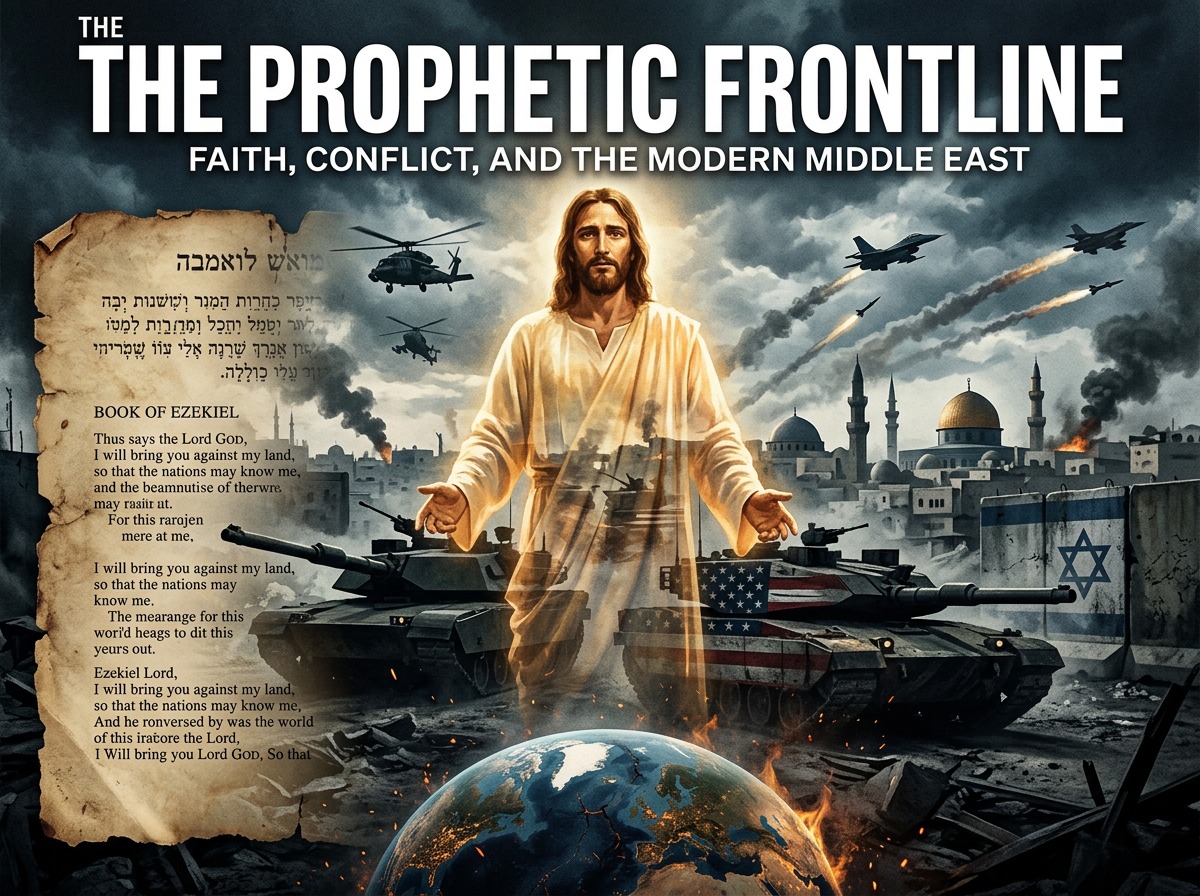
Illustration: The Prophetic Frontline — Faith, Conflict, and the Modern Middle East
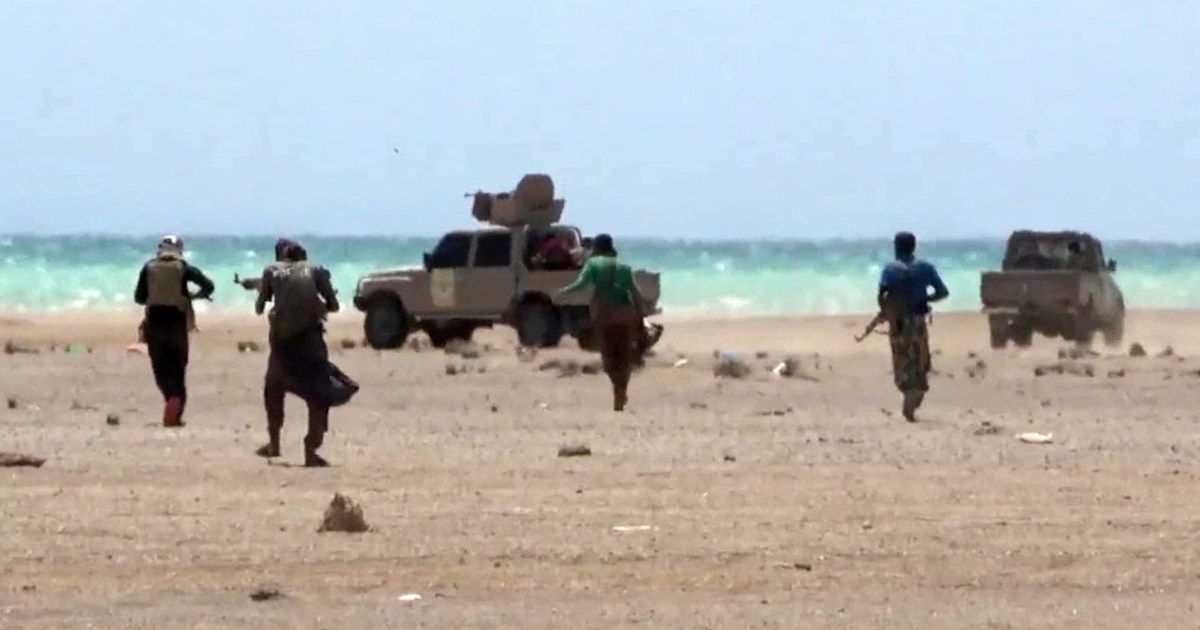
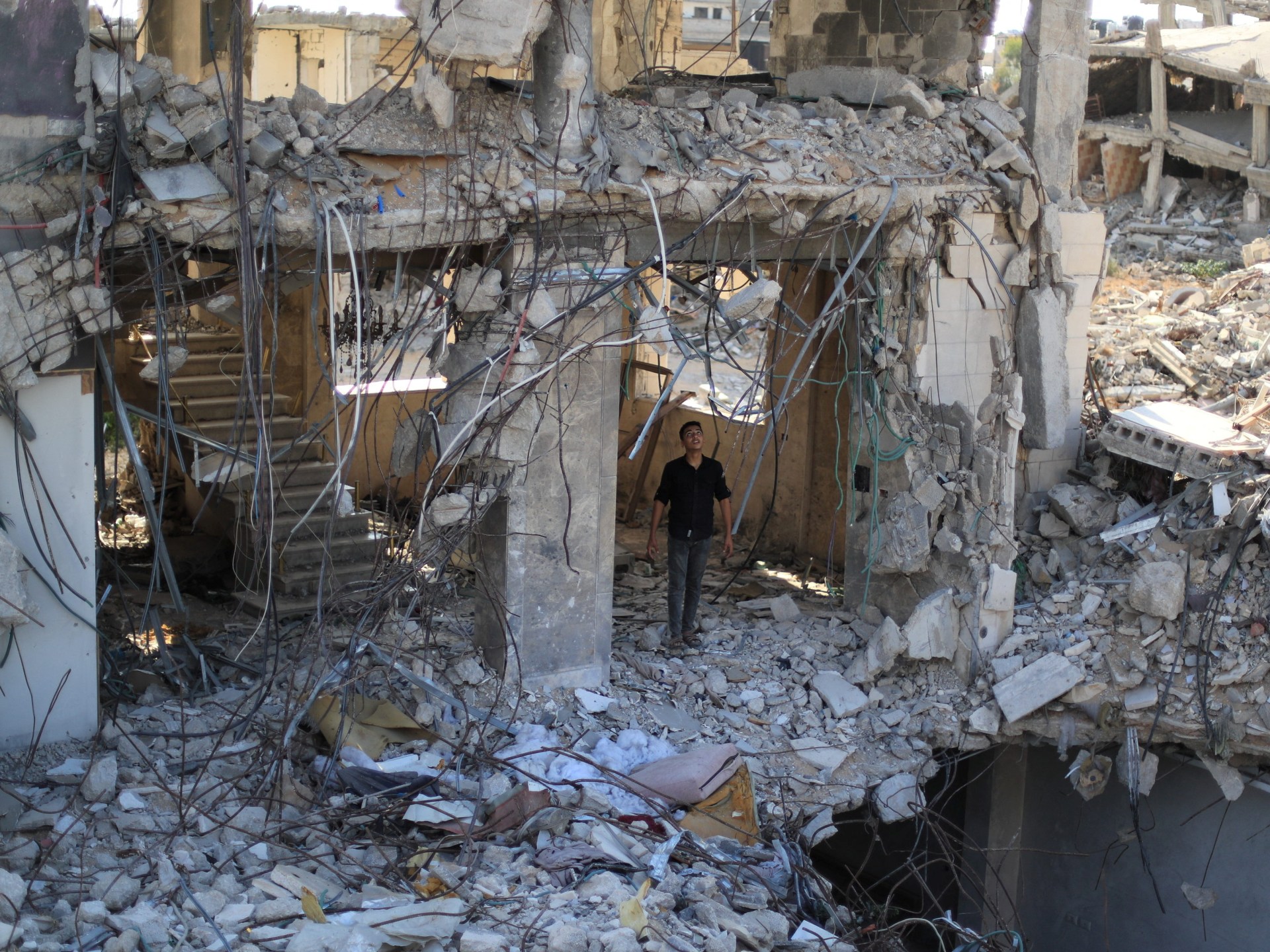
On Saturday, February 28, 2026, the United States and Israel launched Operation Epic Fury — the largest joint military operation against Iran in modern history. Within hours, Supreme Leader Ayatollah Ali Khamenei was confirmed dead. Iran retaliated by firing missiles and drones at Israel, the UAE, Qatar, Kuwait, Bahrain, Jordan, and Saudi Arabia. The Strait of Hormuz was closed. Three American service members were killed. At least nine Israelis died in a missile strike near Jerusalem.
As fires burned across Tehran and missiles streaked across Middle Eastern skies, a different kind of conversation erupted — not in war rooms or newsrooms, but in churches, living rooms, and comment sections around the world.
Are we watching the Bible come to life?
Persia and Israel: A Conflict Written in Ancient Ink
To understand why so many people are connecting these strikes to scripture, you have to go back roughly 2,600 years to the Hebrew prophet Ezekiel.
In chapters 38 and 39, Ezekiel describes a vision of the "last days" in which a great coalition of nations — led by a figure called Gog from the land of Magog — rises up against Israel. Among the nations explicitly named in that coalition is one that jumps off the page in 2026: Persia.
Iran was known as Persia until 1935. The name change was cosmetic. The land, the people, and apparently the prophetic role remained.
Ezekiel 38:5 places Persia alongside Cush (often identified as Sudan or Ethiopia) and Put (Libya) as allies in this end-times invasion of Israel. Many scholars identify Magog as a reference to modern-day Russia, noting that the coalition is described as coming from the "far north." The alliance Ezekiel describes — Russia, Iran, and North African nations aligned against Israel — is not a distant abstraction. It looks increasingly like a newspaper headline.
The Thousand-Year Reign: What the Bible Actually Says
When people refer to a "thousand-year war" in biblical terms, they are usually referencing the events surrounding the Millennium — the thousand-year reign of Christ described in Revelation 20.
Here is the prophetic timeline as understood by many evangelical scholars:
First comes a period of increasing global turmoil and the rise of an Antichrist figure who brings temporary false peace. This is known as the Tribulation, a seven-year period of unprecedented suffering. The Tribulation culminates in the Battle of Armageddon — a final, decisive confrontation in which the armies of the world gather against Israel.
At that moment, according to Revelation 19, Christ returns — not as the humble carpenter of Nazareth, but as a conquering King. He defeats the forces of evil, casts the Antichrist and the False Prophet into the lake of fire, and binds Satan for a thousand years.
During those thousand years — the Millennium — Christ reigns from Jerusalem. Peace covers the earth. The prophet Isaiah describes it as a time when "they shall beat their swords into plowshares" and "the wolf shall dwell with the lamb."
But the story does not end there. Revelation 20:7-9 describes what happens after the thousand years: Satan is released, deceives the nations one final time — the text calls them Gog and Magog — and leads a last rebellion against God's people. Fire from heaven devours them. Then comes the final judgment.
So when people ask whether the "thousand-year war" has started, they are really asking a layered question: Are we in the lead-up to the Tribulation? Is Armageddon on the horizon? And is what we see in Iran the foreshadowing — or the fulfillment — of Ezekiel's prophecy?
The Case That Prophecy Is Unfolding
The parallels are difficult to dismiss entirely, even for skeptics.
Ezekiel prophesied that in the last days, the Jewish people would be regathered in their homeland. The modern State of Israel was established in 1948 — the first Jewish nation-state in nearly two thousand years. Jerusalem was reunified under Israeli control in 1967. Many Bible scholars point to these events as the moment the "prophetic clock" started ticking.
Ezekiel also predicted that Israel would be increasingly isolated on the world stage. Today, antisemitism is surging globally. United Nations votes against Israel are routine. Protests against the Jewish state fill the streets of major Western cities.
The prophet described a coalition involving Persia, nations from the north, and African allies. Russia has been Iran's most significant military patron for decades. Iran funds and arms Hezbollah, Hamas, and the Houthis. The alliance structure Ezekiel described is not hypothetical — it exists.
And now, in 2026, Israel and Persia are at open war.
Pastor Greg Laurie, one of America's most prominent evangelical voices, wrote in January 2026 that while current events may not represent the "full fulfillment" of Ezekiel's prophecy, they are "certainly a foreshadowing." He pointed to the June 2025 Operation Rising Lion — Israel's Twelve-Day War against Iranian nuclear facilities — as a significant prophetic marker, and urged believers to "sit up and pay attention."
Steve Myers, host of the biblical teaching program Beyond Today, has connected these events to Revelation 16, which describes a global confrontation involving an alliance of nations that includes Iran and its partners. He called the current moment "not just ancient words" but "warnings and wakeup calls."
The Case for Caution
Not everyone who takes the Bible seriously believes we are watching Ezekiel 38 unfold in real time.
Some scholars argue that the Gog and Magog war described in Ezekiel occurs after Christ's return — during or at the end of the Millennium — not before it. Under this reading, the current conflict, no matter how dramatic, is not the event Ezekiel saw. It may rhyme with prophecy, but it is not the fulfillment.
Others point out that Ezekiel describes Israel as living in "unwalled cities" and dwelling "securely" at the time of the invasion — a condition that hardly describes a nation under constant rocket fire and surrounded by hostile neighbors. The October 7, 2023 Hamas attack shattered any illusion of Israeli security. Israel is many things right now, but "peaceful and unsuspecting" is not one of them.
There is also the question of Russia's role. While Russia has been Iran's ally, Moscow has not joined the current conflict directly. Ezekiel's prophecy describes Magog as the leader of the coalition — not a silent partner watching from the sidelines. If Ezekiel 38 is being fulfilled, we would expect Russia to be at the center, not on the periphery.
Amillennialist theologians — those who interpret the thousand-year reign symbolically rather than literally — argue that the Millennium is happening now, that Christ reigns spiritually through His church, and that the Gog and Magog imagery in Revelation 20 represents the ongoing spiritual battle between good and evil rather than a specific future military conflict.
What the Streets Are Telling Us
Regardless of which theological camp you belong to, the human response to these events is itself significant.
When Khamenei's death was confirmed, Iranians poured into the streets — some in mourning, many in celebration. Videos from Karaj, Shiraz, Kermanshah, and Isfahan showed people dancing, despite internet blackouts and security forces opening fire on celebrants. In southern Iran, a monument to Ayatollah Khomeini — the founder of the Islamic Republic — was toppled.
Meanwhile, in Israel, nine people were killed near Jerusalem by Iranian missiles. Three American soldiers came home in caskets. President Trump told reporters there would "likely be more." The EU signaled it might back "proportionate military defensive measures." Britain offered its bases. Iran closed the Strait of Hormuz.
This is not a regional skirmish. This is a conflict with global consequences — economic, military, and spiritual.
The Question That Won't Go Away
Every generation has looked at the wars of its time and asked: Is this the one?
Christians in the first century believed the destruction of the Jerusalem Temple in 70 A.D. signaled the end. Believers during the Black Plague thought the Tribulation had arrived. World War I was called the "war to end all wars." World War II, with its Holocaust and atomic bombs, seemed apocalyptic in every sense. The Cold War held the entire planet in nuclear suspense for half a century.
Each time, the world pulled back from the brink. Each time, the prophecy remained unfulfilled.
But here is what makes 2026 different from all those other moments: Israel exists as a nation again. Iran — ancient Persia — is at war with it. The alliances described in Ezekiel are real and active. The technology for global destruction exists. The Strait of Hormuz — the chokepoint for twenty percent of the world's oil — is closed. And for the first time in the history of the Islamic Republic, the Supreme Leader is dead.
We have never been here before.
So Has It Begun?
I am not a theologian. I am a journalist. My job is to ask questions, not to issue prophetic declarations.
But I will say this: whether you read the Bible as literal prophecy, as spiritual allegory, or as ancient literature with no bearing on modern events, the parallels between Ezekiel's vision and what is happening right now are striking enough to deserve serious attention.
The thousand-year war — if we are to call it that — may not have started this weekend. The conditions described in scripture may not yet be fully met. Russia may still need to step forward. Israel may still need to reach a period of false security. The Antichrist, if he is real, has not yet revealed himself.
But the stage is being set. The actors are taking their marks. And the ancient script is open for anyone to read.
Whether you are a believer, a skeptic, or somewhere in between, the events of the past 48 hours demand something from all of us: attention. If the Bible is right, what comes next will make this weekend look like a prologue.
And if the Bible is right about one more thing — that no one knows the day or the hour — then perhaps the wisest response is not panic or dismissal, but preparation.
For whatever is coming, it is closer today than it was yesterday.
S. Vincent Anthony is the founder of NeuraNews and a Cape Coral-based journalist covering local, national, and global affairs. The views expressed in this article are his own. NNN operates under a privacy-first editorial model.
Scripture references: Ezekiel 38-39, Revelation 19-20, Isaiah 2:4, Isaiah 11:6, Luke 21:28