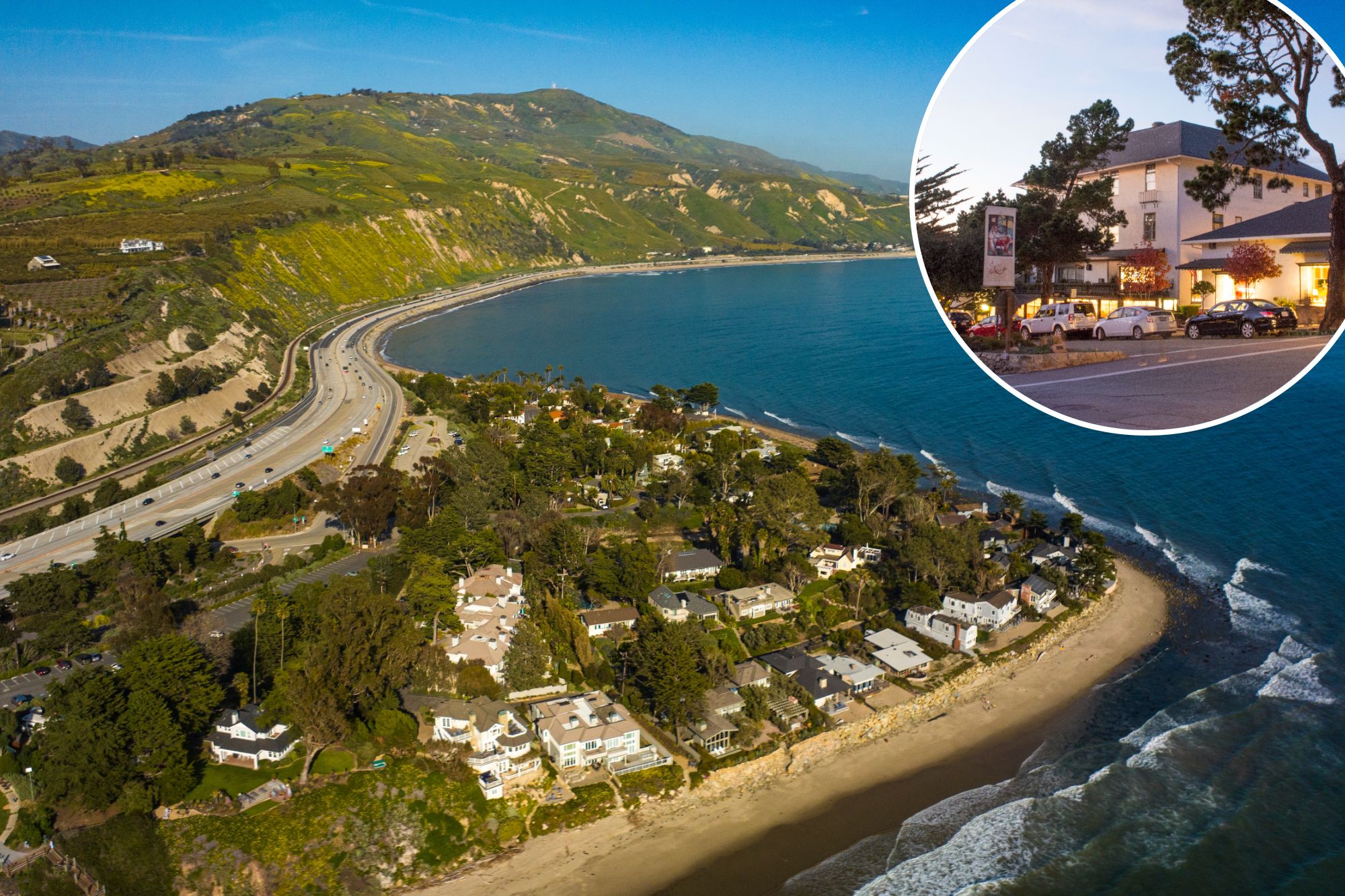
Add The California Post on Google The famously quirky California town that long refused to put numbers on homes is finally giving in — and even some of its fiercest traditionalists are admitting it’s about time.
After generations of resisting street addresses, residents of Carmel-by-the-Sea are embracing what was once considered unthinkable as the picturesque Central Coast enclave prepares to roll out its first standardized address system in the coming weeks.
The change — expected within the first half of July — will end a century-old tradition dating back to the city’s incorporation in 1916, replacing home descriptions based on nearby intersections with conventional street numbers.
The overhaul is designed to help emergency crews find homes faster and make navigating the storybook town easier for residents and visitors alike.
Residents who prefer the longtime system will still receive their mail through post office boxes because USPS will not begin home delivery.
The decision follows years of research, public feedback and spirited debate over whether Carmel should abandon one of its most recognizable traditions.
For decades, the city’s municipal code required homes and parcels to be identified by their location relative to the nearest cross-street intersection instead of a conventional street number.
For example, an address for the Sea View Inn is listed as “Between 11th & 12th on Camino Real.”
In the end, convenience and safety won out in the rapidly aging community, where the median age is 68.5, nearly double that of California as a whole.
Perhaps the biggest surprise was who backed the change.
“I want to thank you ’cause I’ve been complaining for 25 years,” longtime Carmel resident Donna Jett told the City Council.
“I think it took courage because all the other people that were here didn’t see the light and didn’t see the safety and didn’t understand,” she continued.
The unanimous vote removed the city’s longstanding requirement that buildings be identified by nearby intersections and cleared the way for a traditional address system.
The change allows the post office, Monterey County and agencies including emergency services, the assessor’s office and election officials to begin implementation over the coming months.
The final approval marked the end of a years-long process.
The City Council was initially split on the issue in 2024 before unanimously approving the switch last fall and then voting to amend the municipal code.
For some residents, the transition has been emotional.
California Post News: Facebook, Instagram, TikTok, X, YouTube, WhatsApp, LinkedInCalifornia Post Sports Facebook, Instagram, TikTok, YouTube, XCalifornia Post Opinion California Post Newsletters: Sign up here!California Post App: Download here!Home delivery: Sign up here!Page Six Hollywood: Sign up here!
“This is the way I’ve always known it since I’ve lived here, so to have something new is good, I guess, at the end of the day,” resident Ray Depole told KSBW.
Local artist Alyson De Guigne admitted she was one of those reluctant to see Carmel change.
“At first, when I heard about the addresses, I didn’t like it. I don’t like change, and I thought, ‘This is why I don’t live in New York City or L.A. anymore.’ It’s for community that stands in time and doesn’t change,” De Guigne told KSBW.
Since the city approved the new address system, De Guigne has been getting calls from homeowners asking her to create personalized house number signs.
Known for using acrylic paint and light-resistant colors, she now sees the requests as a chance to help preserve the town’s character while adapting to the new system.
“This is such a boomer story. Aging population that needs more assistance which requires people to be able to find you… Nursing services, delivery, ambulances. At least they’ve come around,” one Reddit user wrote.