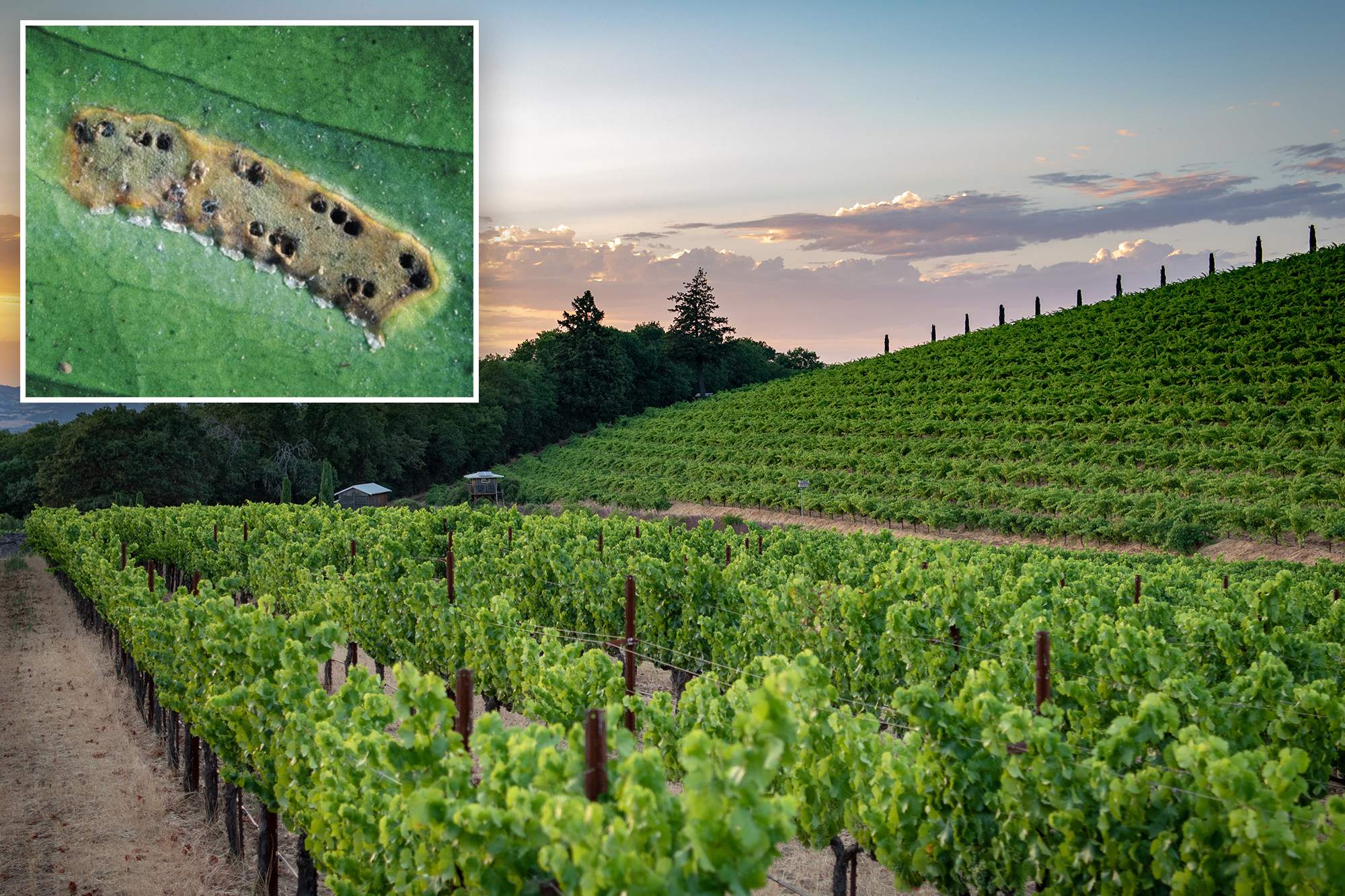
Add The California Post on Google California winemakers are bracing for a possible disaster following the discovery of an invasive insect linked to devastating vineyard disease found in plants sold at Costco Wholesale stores in dozens of counties, the second time in as many months.
The Sacramento County Agricultural Commissioner’s Office said that egg masses linked to the invasive glassy-winged sharpshooter (GWSS) were discovered on a shipment of desert willows sold at Sacramento and Marin county stores, the Sacramento Bee reported.
The GWSS spreads Pierce’s disease, a disease that is incurable for plants, that ultimately dries them out. It is not, however, a threat to animals or humans.
The plants — which originated from a nursery in Tyler, Texas — were expected to arrive at more than 80 counties across the state.
Sacramento County Agricultural Commissioner Chris Flores said the plants did not arrive with any inspection notices but did arrive with a certificate that said they had been treated previously for the invasive pest.
Almost all of the infected plants were destroyed, Flores said, noting that 209 of the 215 in the shipment were pulled. However, they do not know what happened to the other six plants.
“The counties are being very diligent in trapping and trying to alert our nurseries to give us calls,” Flores said. “… We do not want this stuff getting out.”
Agricultural commissioner for Marin County Joe Deviney said his office inspected a Costco delivery and found various stages of life of the pest on the plants and destroyed all 24 they received before any were sold.
GWSS eggs were first discovered in May at a Costco in Novato while inspecting shipments of grapevines originating from Burchell Nursery in Fresno County, per Marin County officials.
The pest was discovered among 13,000 vines shipped between April 21 and May 21, per the California Department of Food and Agriculture.
The shipments were delivered to Costco locations serving Napa, Sonoma, Marin, Solano, Merced, Sacramento, Stanislaus and Yolo counties.
“The shipping nursery is required by state quarantine laws to notify our office prior to shipping, and that did not occur,” Deviney said.
“While many vines have been intercepted and destroyed, locating the thousands that may still be in customers’ hands remains our top priority,” California Secretary of Agriculture Karen Ross said.
This could be another blow to the wine industry, which is already struggling with declining alcohol consumption and a drop in sales.
It would be “difficult and costly to eradicate, and the increased losses from Pierce’s disease could devastate the local vineyard, winery and tourism industries,” reads a page dedicated to the pest on the Napa county’s website.
CA Congressman Jimmy Panetta warned the state’s “wine and table grapes” are a key part of California’s agricultural economy,” saying that the pest “poses a serious threat of potential losses of over $100 million a year.”
Panetta and other lawmakers in the state are calling on President Donald Trump’s administration to release “$32.2 million in emergency funding to fight against this invasive species and protect our growers and producers of our amazing agriculture and world-class wine.”
A 2008 University of California study found that between 1994 and 2000, Pierce’s disease caused nearly $30 million in losses and destroyed more than 1,000 acres of grapevines in Northern California.
In 2019, an outbreak was prevented in Sacramento County after serious quarantine measures, The Sacramento Bee reported.
The glassy-winged sharpshooter was first detected in California in 1994.
Officials have urged anyone who purchased the plants or vines to contact their local agricultural commissioner immediately.