Tony Allen
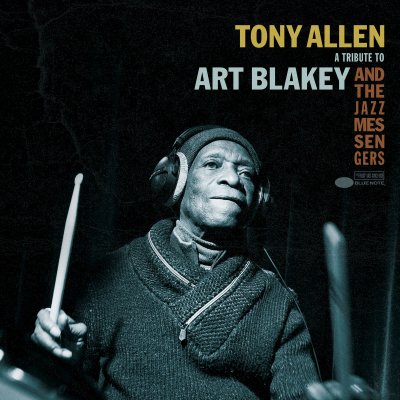
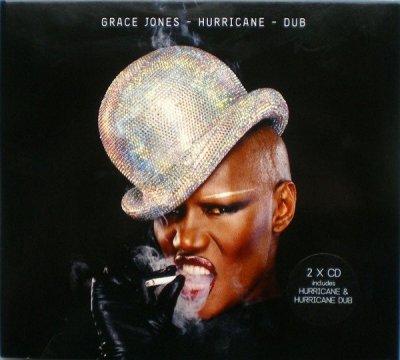
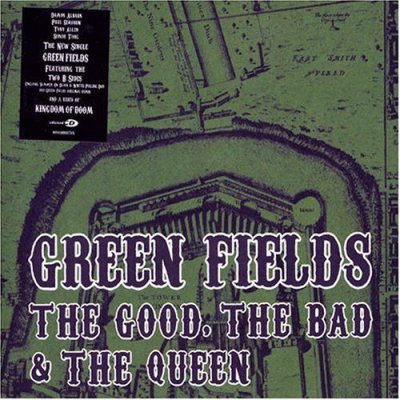
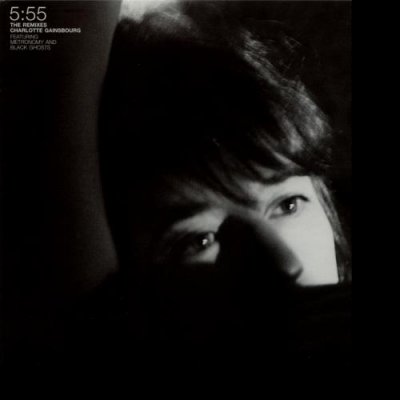
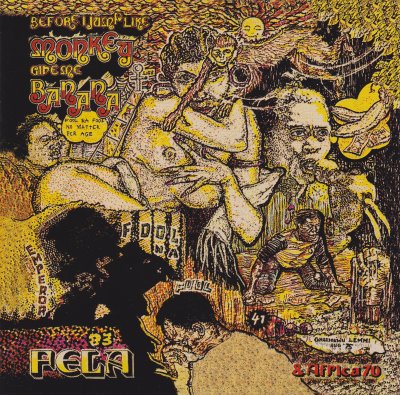
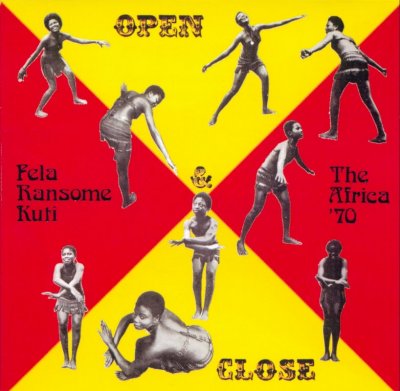
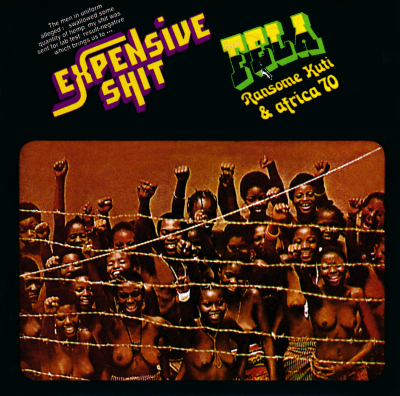
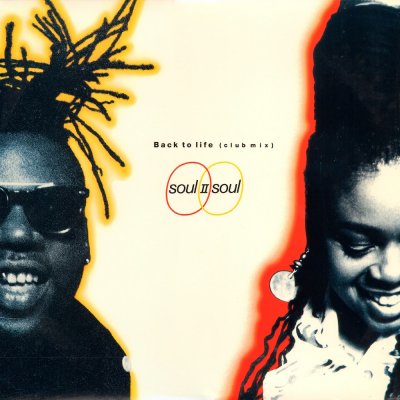
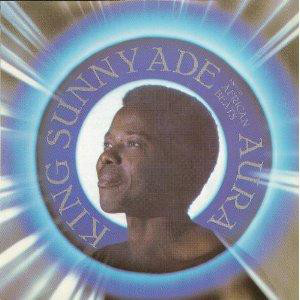
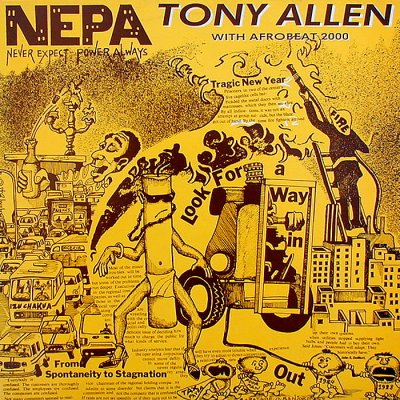
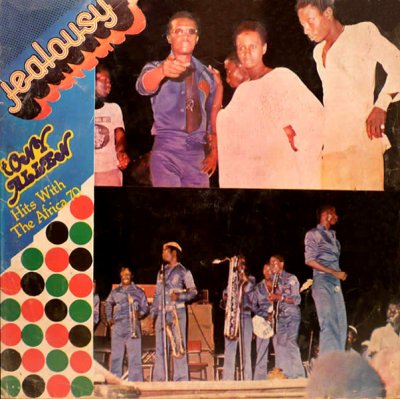
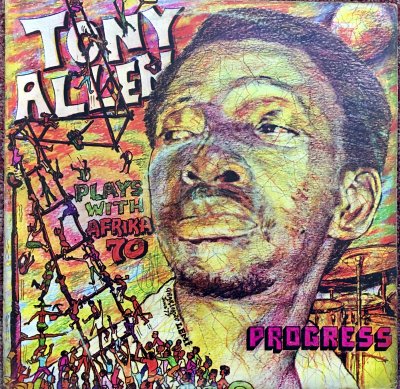
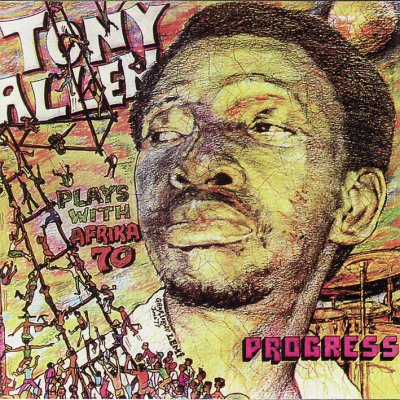
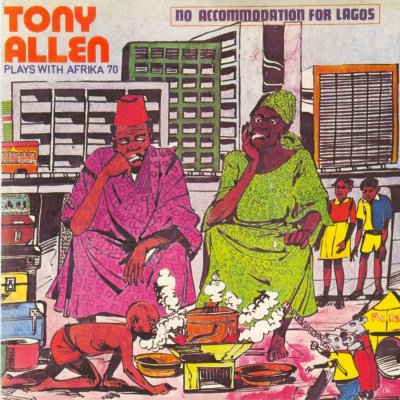
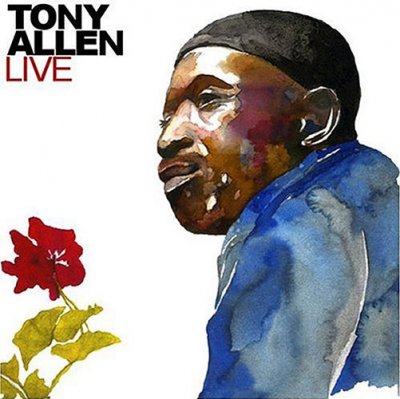
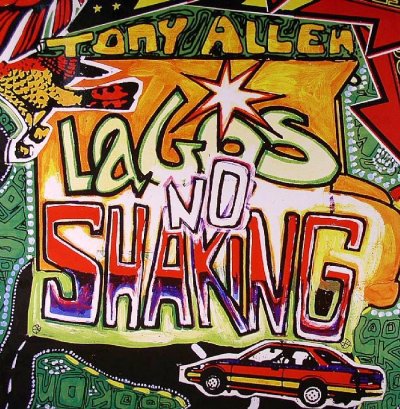
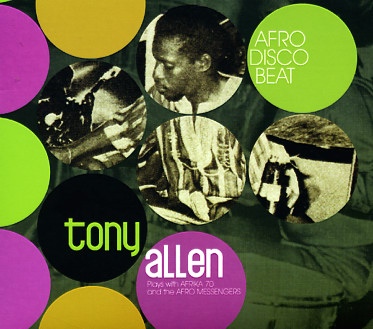
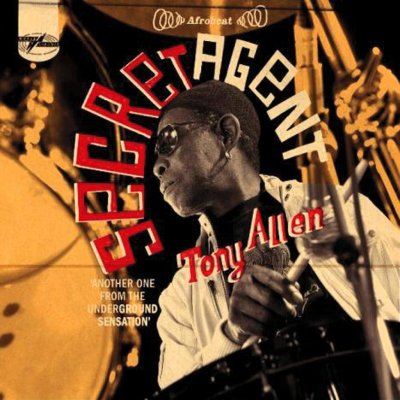
Born in Lagos, Nigeria in 1940, of mixed Nigerian and Ghanaian parentage, Tony Allen taught himself to play by listening to records made by the American jazz drummers Art Blakey and Max Roach. He began working as a professional musician in 1960, gigging around Lagos and variously playing highlife and jazz. Today living in Paris, Allen has long been acknowledged as Africa's finest kit drummer and one of it's most influential musicians, the man who with Fela Kuti created afrobeat - the hard driving, James Brown funk-infused, and politically engaged style which became such a dominant force in African music and whose influence continues to spread today. Allen had to overcome strong parental opposition to realise his dream of becoming a professional musician. "My parents were...not keen. Back then, in Lagos, musicians were more or less thought of as beggars, or worse. But I just put it in front of them. I was an electrical technician, but I wanted to make a change. My mother was never happy about it, but my father, who was an amateur musician, eventually agreed." Allen started out as a jazz drummer. "Art Blakey was my big influence, and before that, before I started club crawling, it was Gene Krupa. When I started, I tried to play like Gene Krupa. Then I discovered Blue Note Records and Art Blakey's Jazz Messengers - it opened up another style to me. Max Roach was important too. I studied some lessons he wrote in Down Beat magazine about how to play high-hats. Most drummers in Lagos never used them, they were just a decoration on the kit, and I'd always thought that was something incomplete." It was, however, no easier making a living playing jazz in Lagos than it was anywhere else outside the USA in the early 1960s: Allen's first extended gig was with the Cool Cats, a highlife band fronted by Sir Victor Olaiya (the so-called "Evil Genius of Highlife", although Olaiya's group was then pretty much a "copyright band," playing covers of other artists' hits). When the Cool Cats split, Allen returned to his job as an electrical technician before joining other highlife groups including Agu Norris and the Heatwaves, the Nigerian Messengers, the Melody Angels and, finally, the Western Toppers. Allen was playing with the Western Toppers when he met Kuti in 1964. "Fela had been presenting a jazz records programme on NBC (Nigerian Broadcasting Corporation) on Friday nights. He decided he wanted to form his own jazz band and play the music himself in the clubs. He'd tried out several drummers, but none of them were what he was looking for. He began to think there was no-one suitable in Africa. Then someone recommended me to him. I auditioned - and he asked me if I'd learnt to play in the USA! I had the style he wanted. We played strictly jazz together for about a year, as the Fela Ransome Kuti Jazz Quartet, before we started Koola Lobitos." Koola Lobitos, formed in 1965, played a mixture of highlife and jazz. According to Allen, the music started out so complex and full of changes that the audience didn't understand what they were hearing. "In five minutes we'd use like five different arrangements (time signatures). It was just too complicated for the audience. They couldn't understand what was happening - except, possibly, the musically inclined ones who knew that the music was different from all the local things they'd been listening to. But it was a bit like showing off, so we decided to simplify things, giving each song two hook lines and a straightforward arrangement so that people wanted to dance." (A few years later, at the urging of funk musicians including Bootsy Collins and other members of James Brown's band they met on tour in the US, Kuti and Allen simplified things further. "One idea, one song" became the Afrobeat paradigm). Koola Lobitos' nascent Afrobeat would have been nothing without Allen's innovative bass drum patterns, which were unlike those used by any other kit drummer working in Lagos at the time. His bass drum dealt a double whammy, b-boom, b-boom. Where other drummers would play a single beat, Allen made it a double, giving Afrobeat its trademark forward thrust. "The bass drum patterns are unique to me," says Allen. "I'd never play one, one. Any drummer can play that straight beat. But that's just like putting a metronome in there." In 1969, Koola Lobitos made an extended visit to the US, where they lived a hand to mouth existence. "The living conditions were rough," says Allen. "We started on the east cost, where there were lots of Nigerian students, and we did well there. Then we went west, via Chicago, to San Francisco and Los Angeles." Audiences, which were still largely composed of Nigerians, grew smaller. "Fela got fed up just playing to Nigerians. He said if we were going to play to Nigerians, we might as well do it in Nigeria where there were a lot more of them." The Koola Lobitos album The '69 Los Angeles Sessions, made on the hoof towards the end of the tour, documents the emergent Afrobeat style of the band. Kuti's political consciousness, nurtured by his politically active parents back home - and soon to become a defining feature of Afrobeat - was sharpened in the US, where he befriended a black American woman called Sandra Isidore. A member of the Black Panthers, Isidore introduced Kuti to the ideas of such people as Malcolm X, Angela Davis, the Last Poets, Stokeley Carmichael and Eldridge Cleaver, all of whose thinking played some part in the development of Kuti's own political philosophy, Blackism. Once back in Lagos, Kuti renamed the band Africa 70 (it had in the US briefly been Nigeria 70, and was later tweaked to Afrika 70). With Allen forging the music's vibrant signature rhythms, and Kuti its incendiary lyrics, the duo had, within a few years turned Afrobeat into a style rivalling the then reigning juju and highlife in popularity. "Fela said I sounded like four drummers," says Allen. "I was the only one who originated the music I played." Fela used to write out the parts for all the other musicians. If Allen sounded like four drummers, it could have been because, in his mature Afrika 70 style, he was drawing on four different styles - highlife, soul/funk, jazz and traditional African drumming. A unique and mighty sound. (In 1970 when James Brown played in Nigeria, his arranger made careful study of Fela's band and Allen's drumming in particular, as did Ginger Baker, another disciple). Allen stayed with Kuti for close on 15 years, from 1964-1979/80 (it wasn't an overnight parting of the ways). He played on all Afrika 70's albums up until 'V.I.P. - Vagabonds In Power' (after which the band briefly dissolved, before Kuti formed Egypt 80). These include the classic mid-decade stream of discs documenting the post-colonial iniquities of Nigerian society and Kuti's (and Afrika 70's) increasingly bloody conflicts with the authorities - among them 'Alagbon Close', 'Everything Scatter', 'Expensive Shit', 'Yellow Fever', 'Zombie', 'Kalakuta Show', 'Before I Jump Like Monkey Give Me Banana', 'Sorrow Tears And Blood' and 'Fear Not For Man'. The band enjoyed massive popularity in Nigeria and elsewhere in West Africa, but (at home) were subject to constant harassment, and at times brutal physical attacks, from the army and the police. In 1975, Allen recorded his debut album, 'Jealousy', the first of three made with Afrika 70 and produced by Kuti. 'Progress' followed in 1976, 'No Accommodation For Lagos' in 1978. But by 1978 he was ready for a change of scene, and a year later he parted company with Kuti. The touring entourage had grown to outlandish proportions and there was talk of him not getting due respect or recompense for the contribution he had made to the creation of Afrobeat and the success of Afrika 70. "It's not a big story," says Allen today. "I was tired, I'd just had enough." His final studio collaboration with Kuti was on an album made with American vibraphonist Roy Ayers, 'Africa Centre Of The World' (released in 1981). In 1979 he formed his own band, Tony Allen and the Afro Messengers, and recorded his first album away from Kuti, 'No Discrimination'. Allen spent the next few years in Nigeria, and from 1981-83 led another Afrobeat band, the Mighty Irokos. The group enjoyed local success, but Allen had tasted international breakthrough with Afrika 70, and he had his eyes on a bigger stage. In 1984 he left Lagos for London, living there for eighteen months before moving to Paris, where he lives with his family today. "Lagos was too small for me and Fela. It was a small place, and I wanted room to take off without causing competition," says Allen. "I eventually chose Paris partly because the British immigration people were giving me difficulties, but also because African music was more happening then in Paris than in London, and my record company (Barclay) was in France. It was the only place I felt I could exercise my knowledge and make a living." Soon after arriving in Paris, he recorded an album with producer Martin Meissonnier, but, amid talk of unsatisfactory mixes, it remains unreleased. While still in London in 1984, with his band Afrobeat 2000, Allen recorded the album N.E.P.A. - Never Expect Power Always. The title track was a sardonic commentary on the erratic Lagos power supply which then, and still today, leaves the city at the mercy of regular power cuts. (The body responsible for the supply, or the lack of it, was the Nigerian Electrical Power Authority, hence the acronym). By the mid 1980s, although few other Nigerian musicians had committed to Afrobeat - "too difficult," says Allen - the music had made a profound influence on the other prominent Nigerian style, juju. Afrobeat's kit drum had become a regular part of juju line-ups (which had until then been dominated by talking drums), and Allen's style was picked up by juju drummers. Juju rhythm guitarists had also adopted Afrobeat's nagging "tenor guitar" riffs. Allen was one of the first to introduce the rhythmic power of Afrobeat to juju. In 1984, he toured with juju superstar Sunny Ade and guested on his 'Aura' album, to which he contributed one of his own songs, "Oremi," and he toured with Ade the following year. Throughout the 1990s Allen was a sought after session drummer and he collaborated with a range of artists including Randy Weston, Groove Armada, Air, Charlotte Gainsbourg, Manu Dibango and Grace Jones. During the years since Fela's death in 1997 Allen has become recognised as Afrobeat's torch bearer and he is held in reverence by musicians and fans alike. Recently the style has seen an upsurge of interest outside of Nigeria with dedicated clubs opening up in Europe and the USA and groups such as Antibalas and Masters At Work bringing the music to a new public. Allen's albums have become more frequent. 'Black Voices' was released in 1999, followed by 'Home Cooking', 'Tony Allen Live', 'Lagos No Shaking' and now, in 2009, the definitively tough and rocking 'Secret Agent'. The album with The Good, The Band and The Queen was released in 2007, but Allen's association with Damon Albarn goes back some half dozen years. It came about after Allen heard the lyric "Tony Allen got me dancing" on Blur's 2000 song "Music is My Radar" and invited Albarn to Lagos to guest on Home Cooking. His association with Albarn continues, and includes the African Express events which aim to introduce African and European musicians to each other and encourage cross-fertilisation of ideas. Three decades after Allen made those classic albums with Afrika 70, Nigeria remains riven by the same injustices that the band protested against so vividly and courageously. The lot of the urban poor and middle classes is, if anything, worse today than in it was in the 1970s, and Allen has no regrets about basing himself in Paris. "Nigeria's not getting any better. Why else is everyone wanting to come to Europe? It's all misadministration and corruption, survival of the fittest. It's a complete motherf**ker of a place." "Music is my mission," says Allen. "I never get satisfied and I'm still learning from others. The musical world is very spiritual, and I don't think there's an end to it. As musicians, it's our mission to keep going."
Discography
Credits
Ranked #10,195 of 14,615 producers — 90.41 career Groove across 3 records.