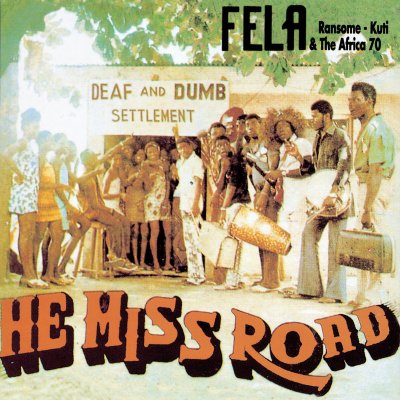
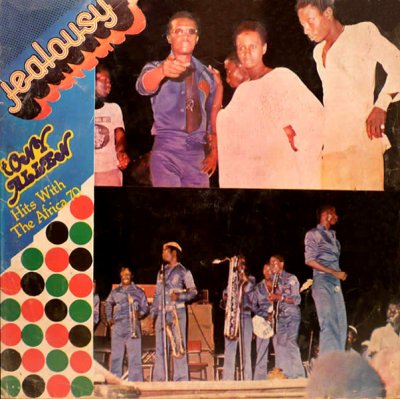
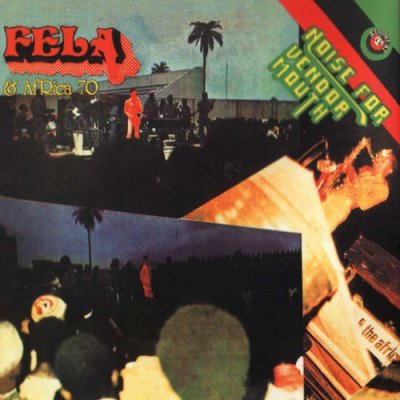
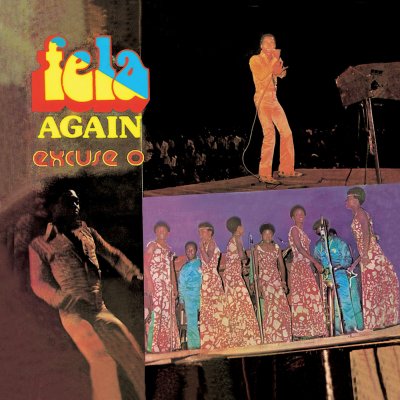
Africa 70
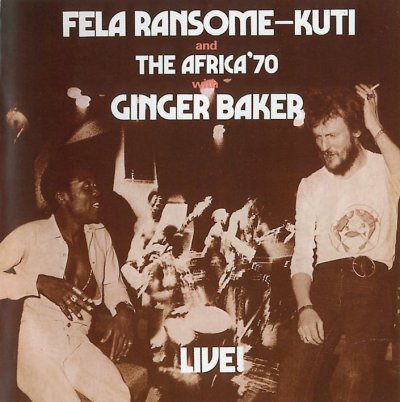
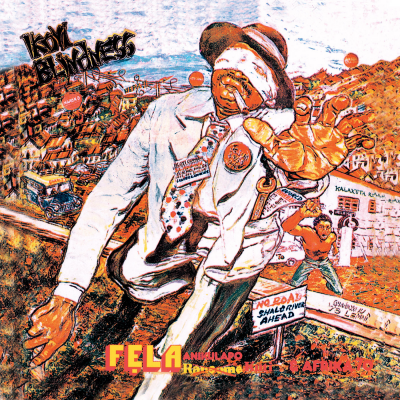
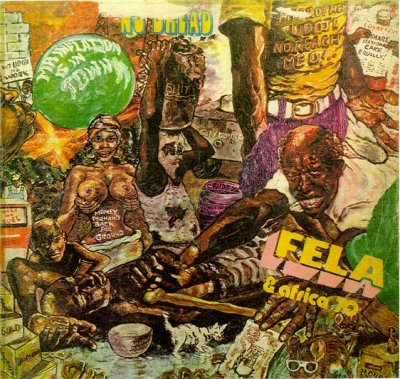
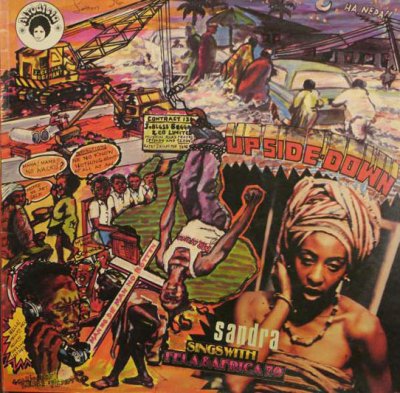
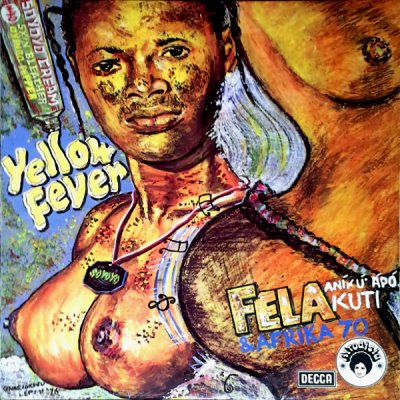
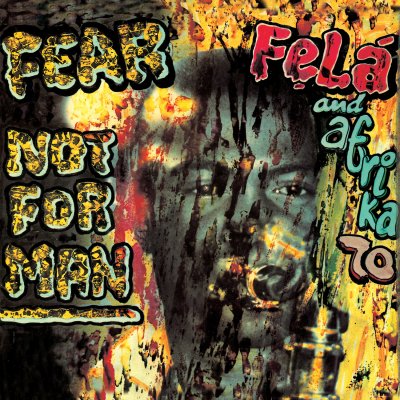
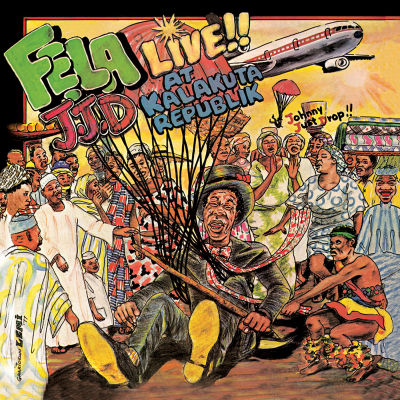
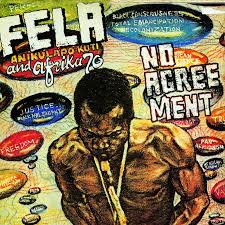
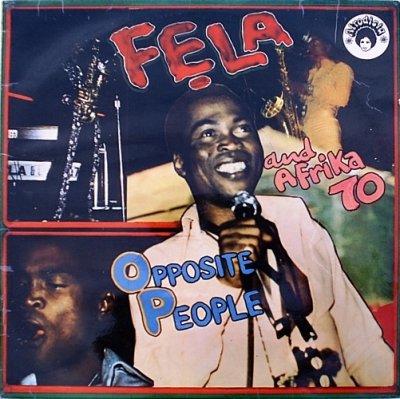
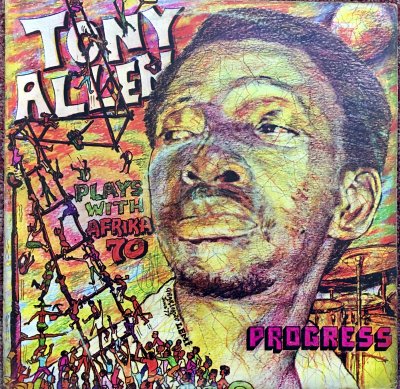
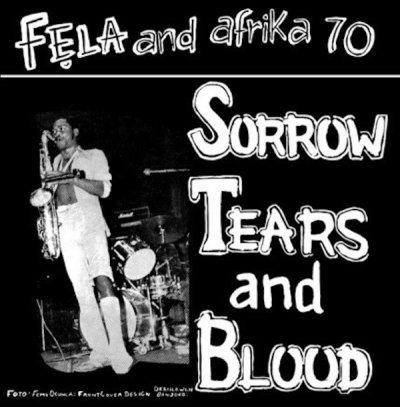
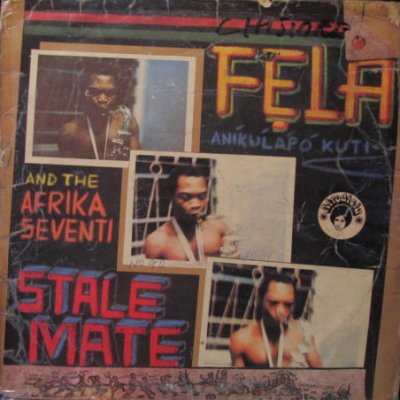
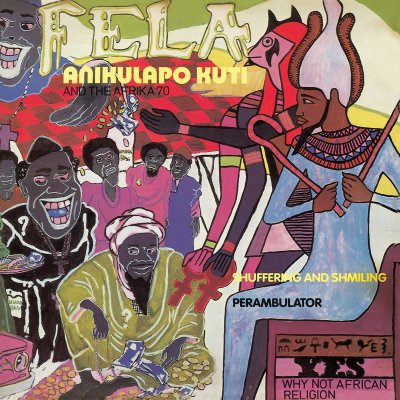
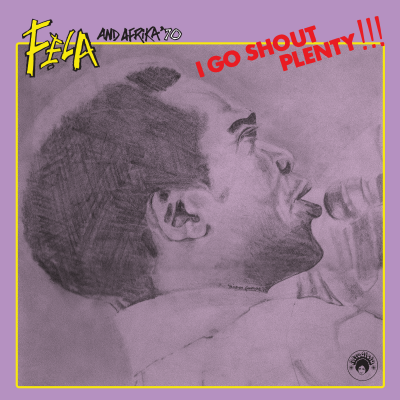
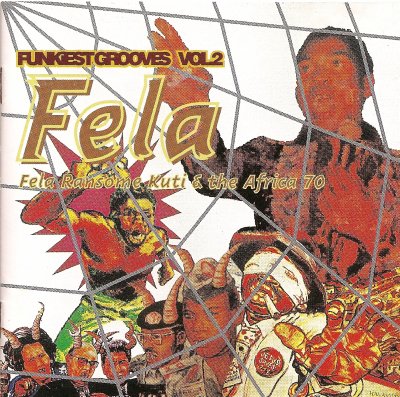
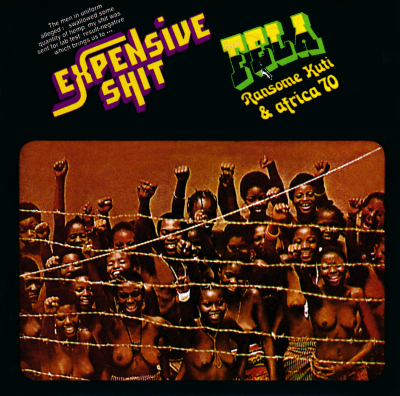
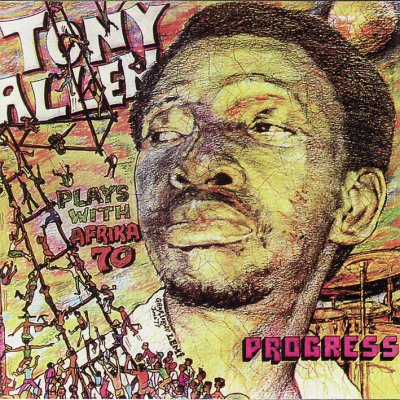
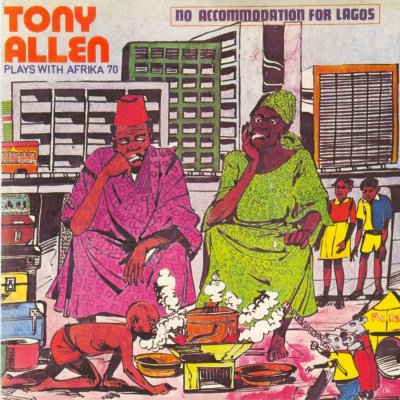
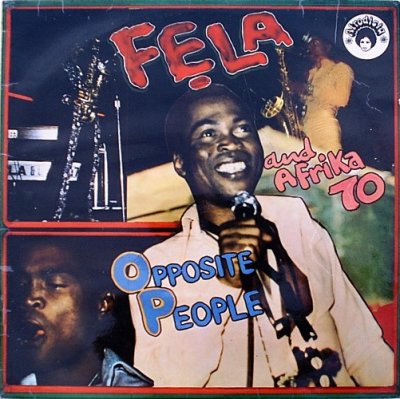
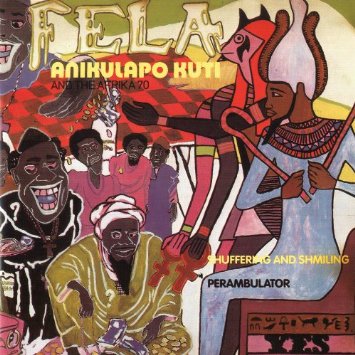
Fela Kuti and his band returned to Nigeria, the group was renamed the Afrika '70, as lyrical themes changed from love to social issues. He formed the Kalakuta Republic, a commune, a recording studio, and a home for the many people connected to the band that he later declared independent from the Nigerian state. According to Lindsay Barrett, the name "Kalakuta" derived from the infamous Black Hole of Calcutta dungeon in India. Fela set up a nightclub in the Empire Hotel, first named the Afro-Spot and later the Afrika Shrine, where he both performed regularly and officiated at personalized Yoruba traditional ceremonies in honour of his nation's ancestral faith.
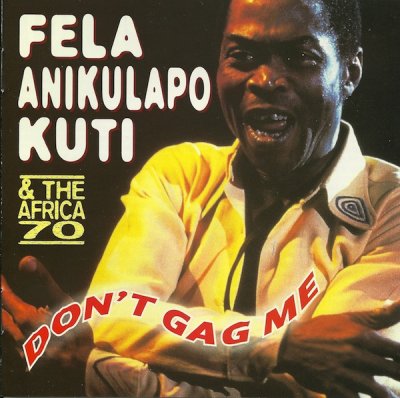
He also changed his name to Anikulapo (meaning "He who carries death in his pouch", with the interpretation: "I will be the master of my own destiny and will decide when it is time for death to take me"). He stopped using the hyphenated surname "Ransome" because it was a slave name. Fela's music was popular among the Nigerian public and Africans in general. In fact, he made the decision to sing in Pidgin English so that his music could be enjoyed by individuals all over Africa, where the local languages spoken are very diverse and numerous.
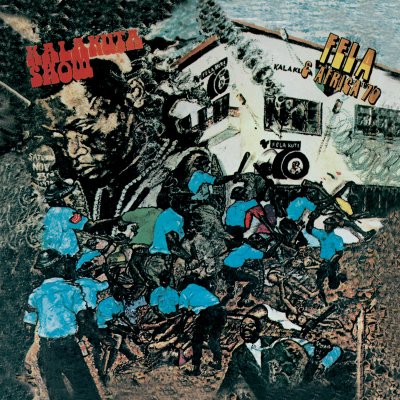
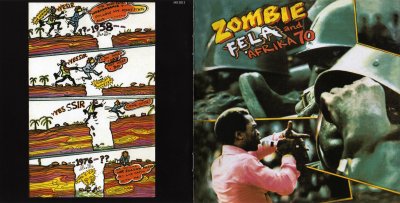
As popular as Fela's music had become in Nigeria and elsewhere, it was also very unpopular with the ruling government, and raids on the Kalakuta Republic were frequent. During 1972, Ginger Baker recorded Stratavarious with Fela appearing alongside Bobby Tench. Around this time, Kuti became even more involved in the Yoruba religion. In 1977, Fela and the Afrika '70 released the album Zombie, a scathing attack on Nigerian soldiers using the zombie metaphor to describe the methods of the Nigerian military.
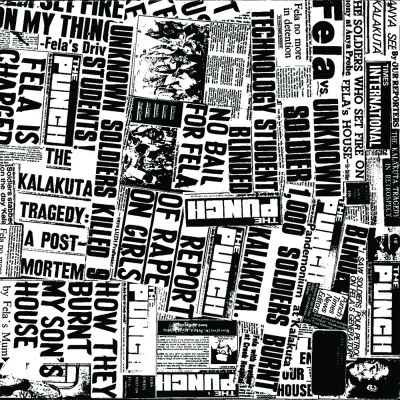
The album was a smash hit and infuriated the government, setting off a vicious attack against the Kalakuta Republic, during which one thousand soldiers attacked the commune. Fela was severely beaten, and his elderly mother (whose house was located opposite the commune) was thrown from a window, causing fatal injuries. The Kalakuta Republic was burned, and Fela's studio, instruments, and master tapes were destroyed. Fela claimed that he would have been killed had it not been for the intervention of a commanding officer as he was being beaten.
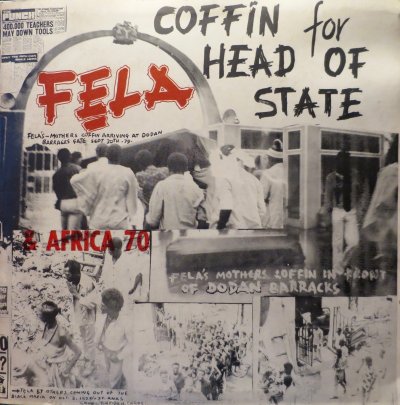
Fela's response to the attack was to deliver his mother's coffin to the Dodan Barracks in Lagos, General Olusegun Obasanjo's residence, and to write two songs, "Coffin for Head of State" and "Unknown Soldier", referencing the official inquiry that claimed the commune had been destroyed by an unknown soldier. Fela and his band took up residence in Crossroads Hotel, as the Shrine had been destroyed along with his commune. In 1978, he married 27 women which are Kikelomo Oseyni, Folake Oladejo, Tejumade Adebiyi, Naa Lamiley, Sewaa Kuti, Omotola Osaeti, Omowunmi Oyedele, Alake Anikulapo Kuti, Shade Shodeinde, Adeola Williams, Najite Kuti, Emaruagheru Osawe, Kevwe Oghomienor, Ihase Anikulapo, Adejonwo Iyabode Ogunitro, Bose Anikulapo Kuti, Lara Anikulapo Kuti, Suru Eriomola, Tokunbo Akran, Funmi Kuti, Omowunmi Afesumo, Laide Anikulapo Kuti, Ronke Edason, Damiregba Anikulapo Kuti, Aduni Idowu, Omolara Shosanya Remilekun Taylor, many of whom were his dancers, composers, and singers. The marriage served not only to mark the anniversary of the attack on the Kalakuta Republic but also to protect Fela and his wives from false claims from authorities that Fela was kidnapping the women.
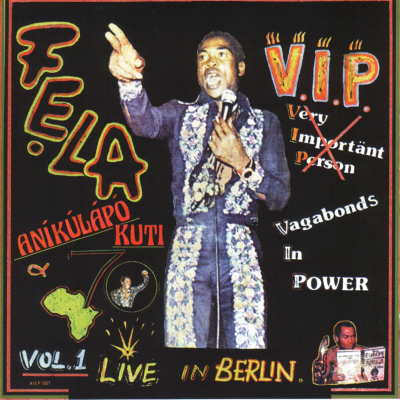
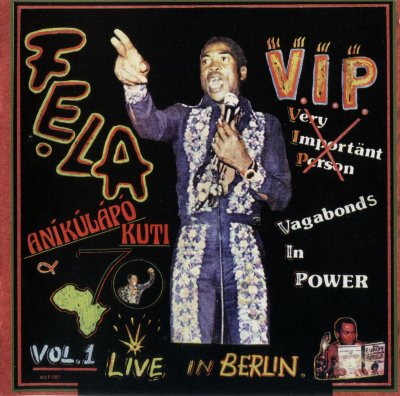
Later he adopted a rotation system of keeping 12 simultaneous wives. The year was also marked by two notorious concerts, the first in Accra in which riots broke out during the song "Zombie", which led to Fela being banned from entering Ghana. The second was at the Berlin Jazz Festival after which most of Fela's musicians deserted him, due to rumours that Fela was planning to use the entire proceeds to fund his presidential campaign. Despite the massive setbacks, Fela was determined to come back.
He formed his own political party, which he called Movement of the People (MOP), in order to "clean up society like a mop". Apart from being a mass political party, MOP preached "Nkrumahism" and "Africanism". In 1979, he put himself forward for President in Nigeria's first elections for more than a decade, but his candidature was refused. At this time, Fela created a new band called Egypt '80 reflecting the idea that Egyptian civilization, knowledge, philosophy, mathematics, and religious systems are African and must be claimed as such.
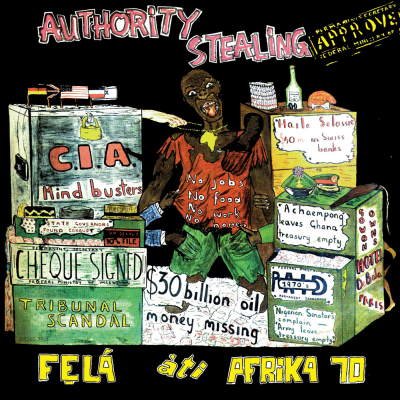
As Fela stated in an interview, "Stressing the point that I have to make Africans aware of the fact that Egyptian civilization belongs to the African. So that was the reason why I changed the name of my band to Egypt 80." Fela continued to record albums and tour the country. He further infuriated the political establishment by dropping the names of ITT Corporation vice-president Moshood Abiola and then General Olusegun Obasanjo at the end of a hot-selling 25-minute political screed entitled "I.T.T. (International Thief-Thief)".
Discography