The Mothers of Invention
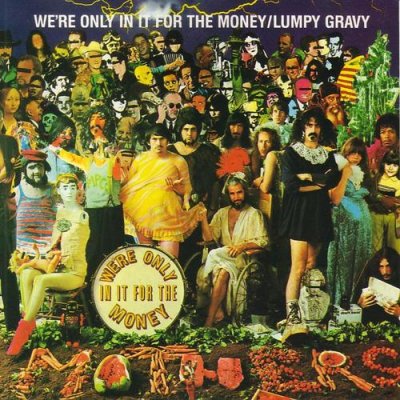
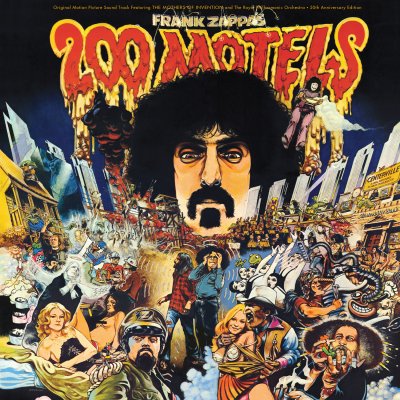
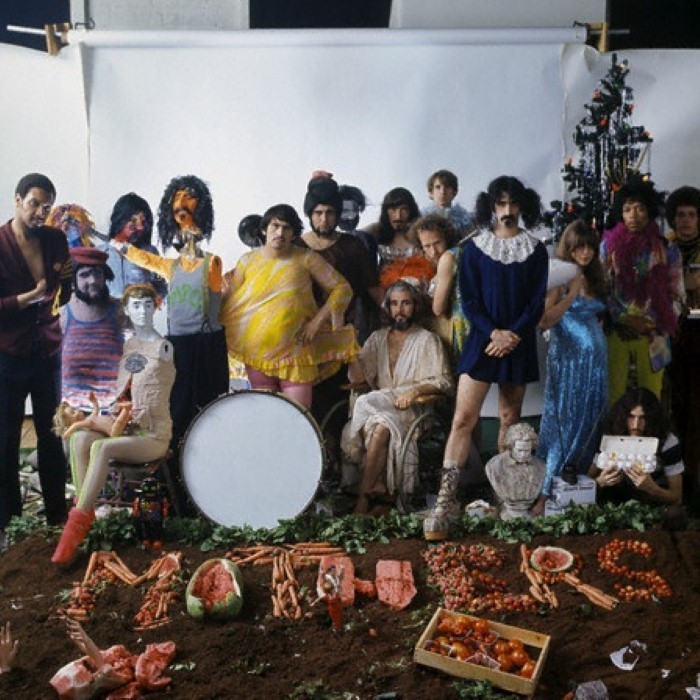
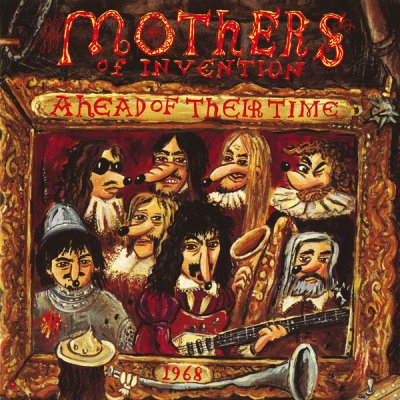
The Mothers of Invention were an American band active from 1966 to 1969. Throughout, their output was primarily directed by composer and guitarist, Frank Zappa (1940–1993). Their albums combined a broad span of genres, and utilised diverse instrumentation. Their lyrics were generally humorous, with frequent style-parodies of contemporary pop music (with doo-wop love ballads endlessly lampooned), bountiful surreal imagery, cartoonish vocals and oblique, satirical protest songs.
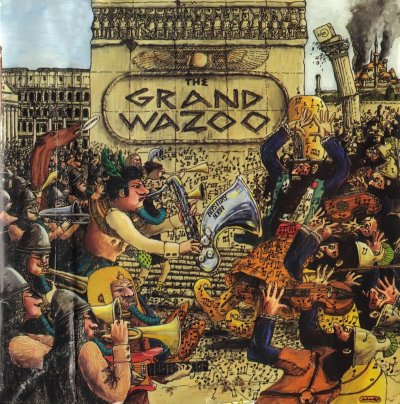
Their diversity and insincerity makes their classification difficult, but Zappa’s increasingly ambitious and avant-garde compositions towards the end of the 1960s share many features of free jazz and 20th century classical music. Zappa disbanded the original Mothers of Invention line-up in 1970 to create music under his own name, but shortly reformed an entirely new band sometimes known as ‘The Mothers’. The new incarnation had a strong vaudeville style and were much bawdier than before, with new vocalists Flo & Eddie, previously of the Turtles, taking the lead. After Zappa was pushed offstage in the Rainbow Theatre in 1971, he broke up this second band and concentrated on a jazzier style with a short-lived big band called the Grand Wazoo, but returned with a third lineup of the Mothers in 1973.
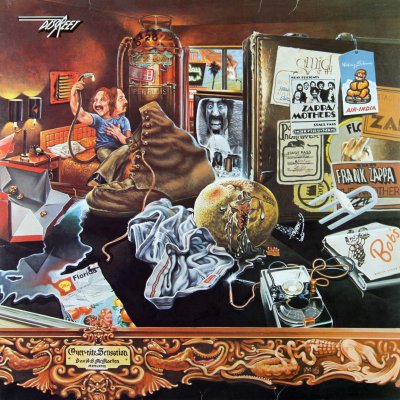
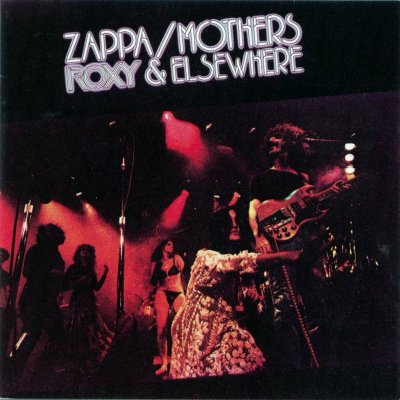
This reformed group retained musical similarities to the previous group and the chamber music of the late 60s Mothers, but with a tighter, funkier sound; George Duke’s soulful vocals being perhaps the most memorable addition. Whilst members of the new Mothers frequently appeared on albums credited solely to Zappa, three albums, Overnite Sensation, Roxy & Elsewhere and One Size Fits All display the name Frank Zappa and The Mothers of Invention.
The Groove is music.nw’s own measure of renown — not an opinion, a fact computed from the record. It weighs reach (how many people engaged) against acclaim (how highly they rated it), balanced so a handful of votes can’t outshout a lasting favourite.
Computed the NeuraWeb way, across the whole record. The same yardstick for everyone — which is why the little-known can out-Groove the famous in their own corner.
How The Mothers of Invention moved
Genre belongs to the record, not to the artist. Every album’s Groove is shared out across the genres it actually is — by how the raters tagged it — so nobody is 100% one thing. Stack that by decade and a career draws itself.
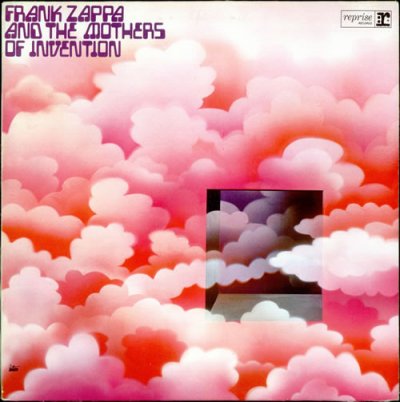
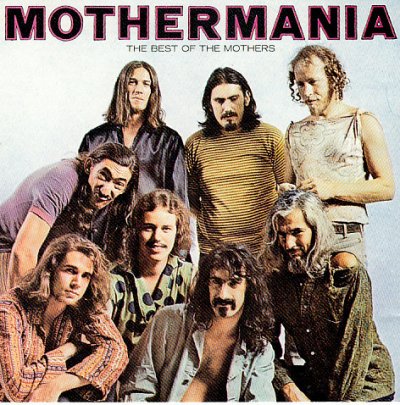
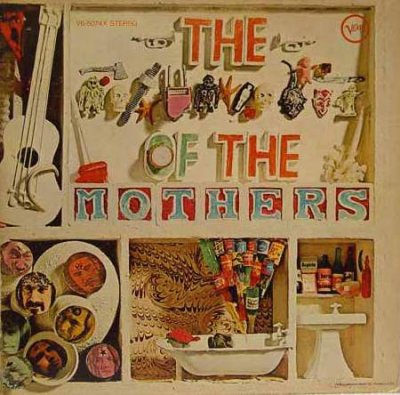
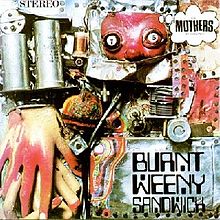
Discography
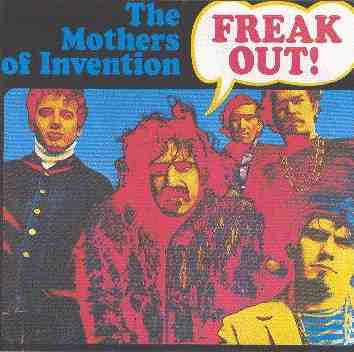
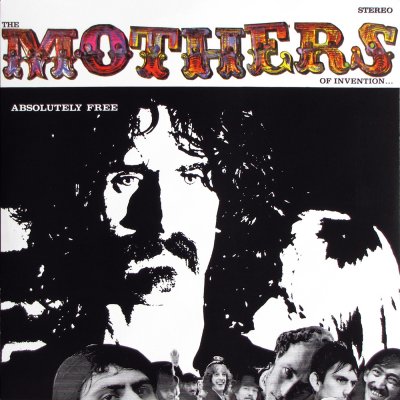
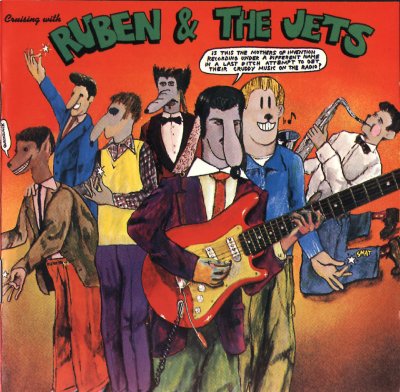
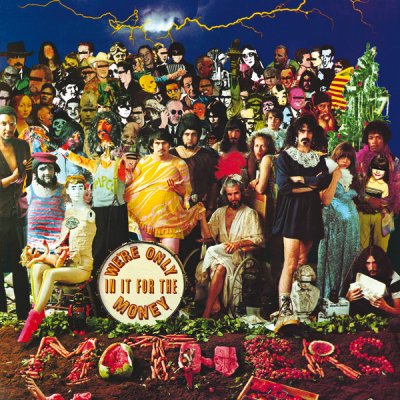

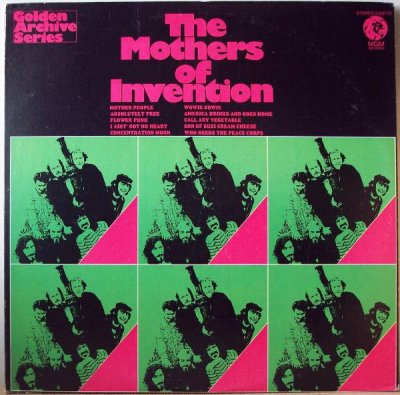
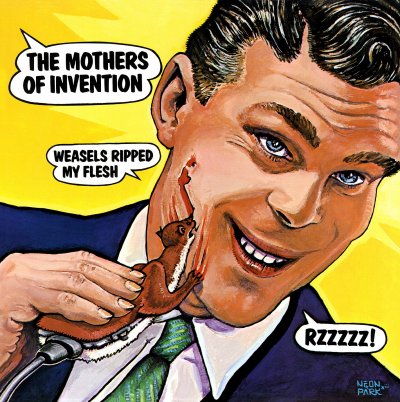
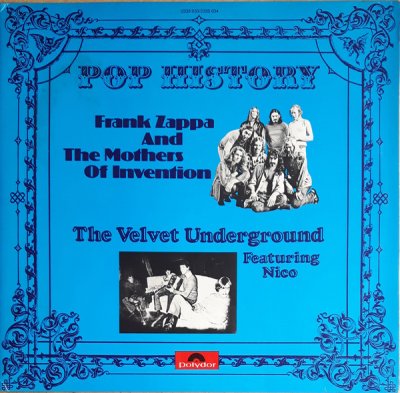
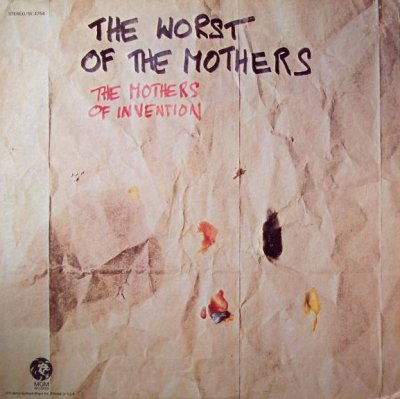
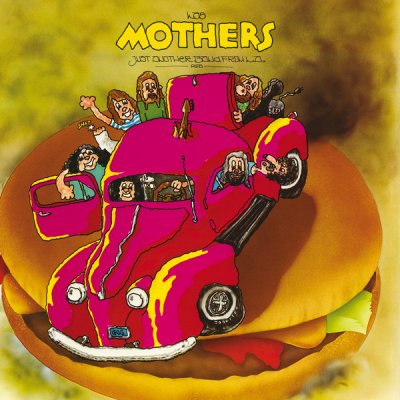
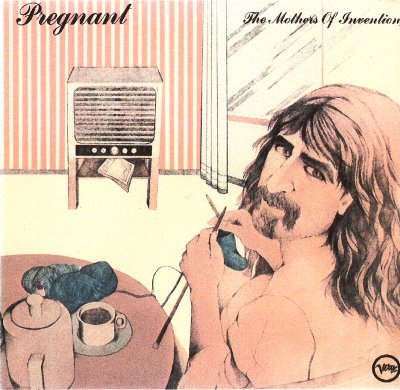
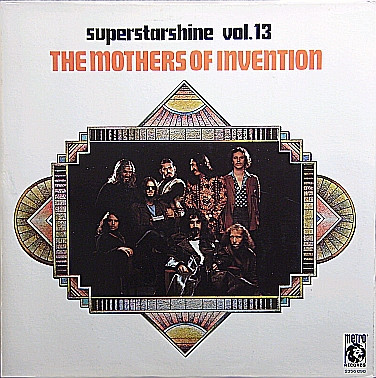
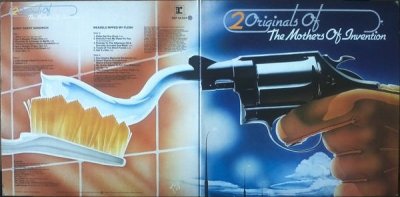
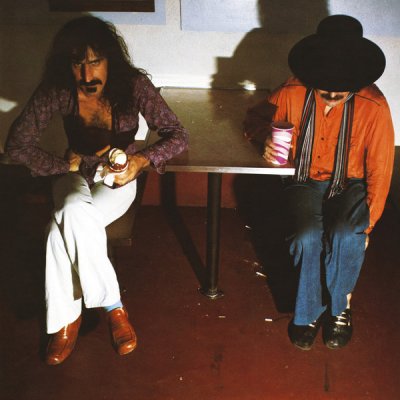
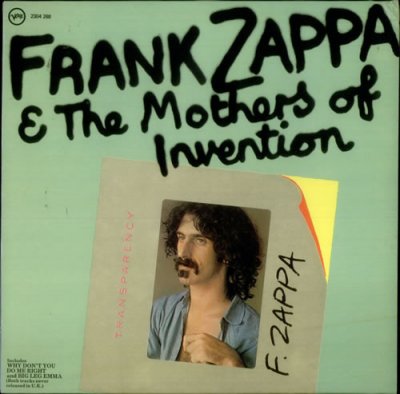
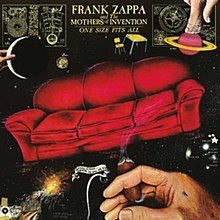

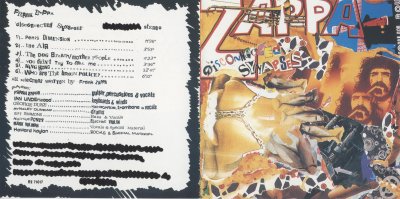
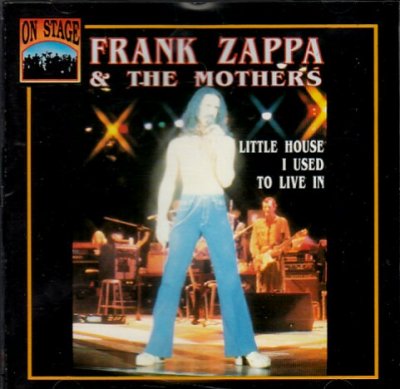
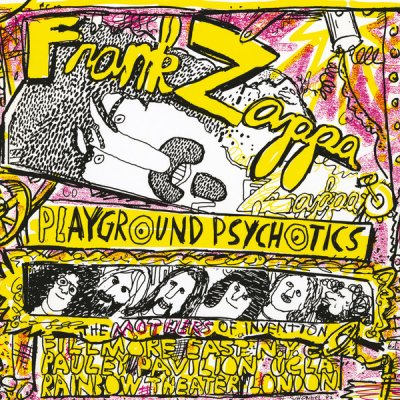
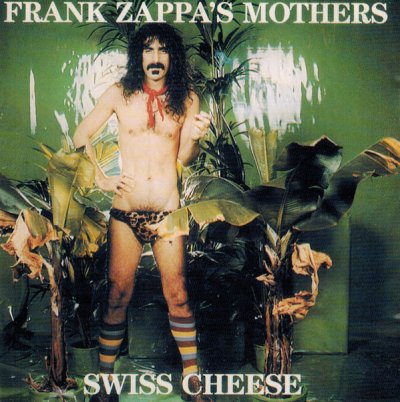
Credits