USS George Washington
Commissioned 30 December 1959 · Decommissioned 24 January 1985
- 7 August 1776 Launched 7 August 1776 Frigate Washington was launched on 7 August 1776 but never completed, and she was destroyed by fire on 7 May 1778.
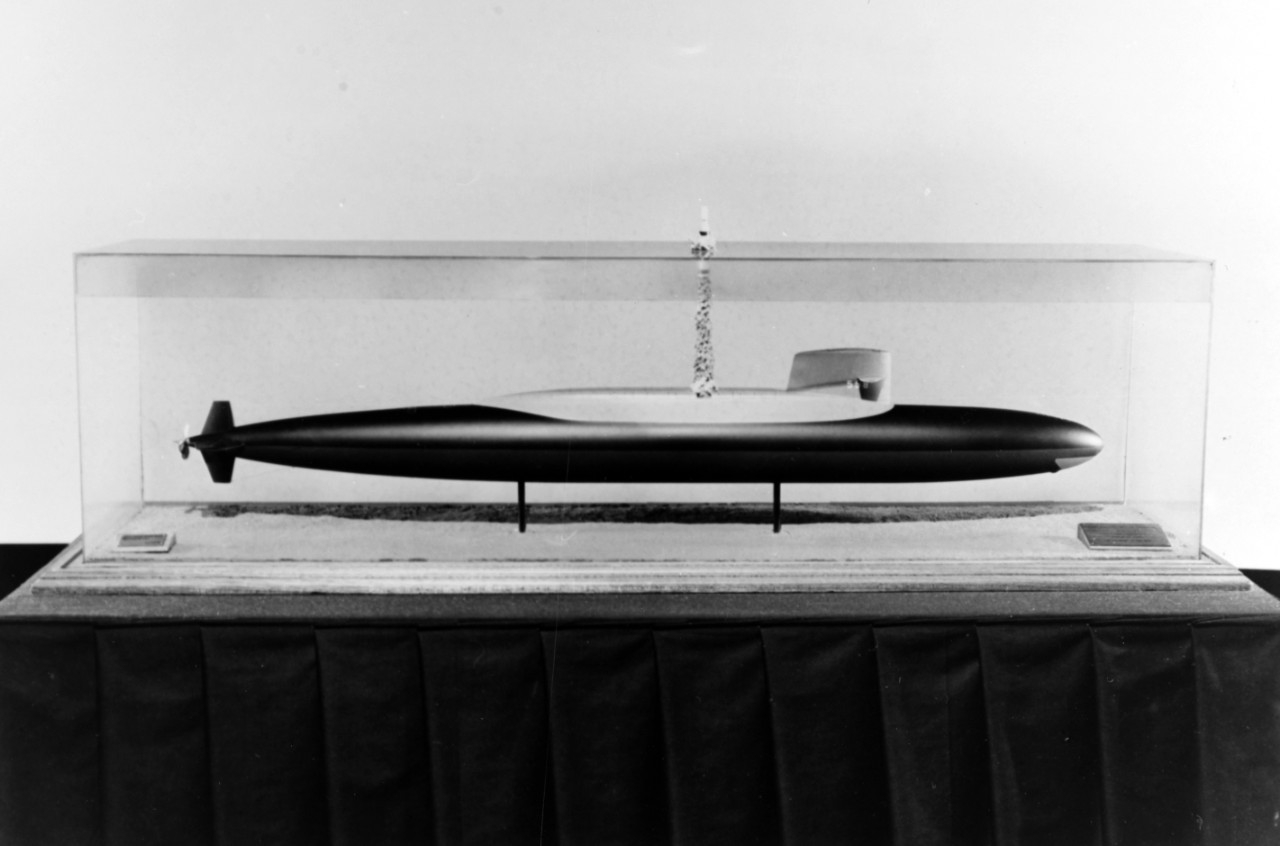
- 1 November 1957 Laid down 1 November 1957 III (SSBN-598: displacement 5,600; length 382'; beam 33'; draft 29'; speed 20+ knots; complement 120; armament 16 Polaris A-1 submarine launched ballistic missiles; class George Washington) The third George Washington (SSBN-598) was laid down on 1 November 1957 at Groton, Conn.
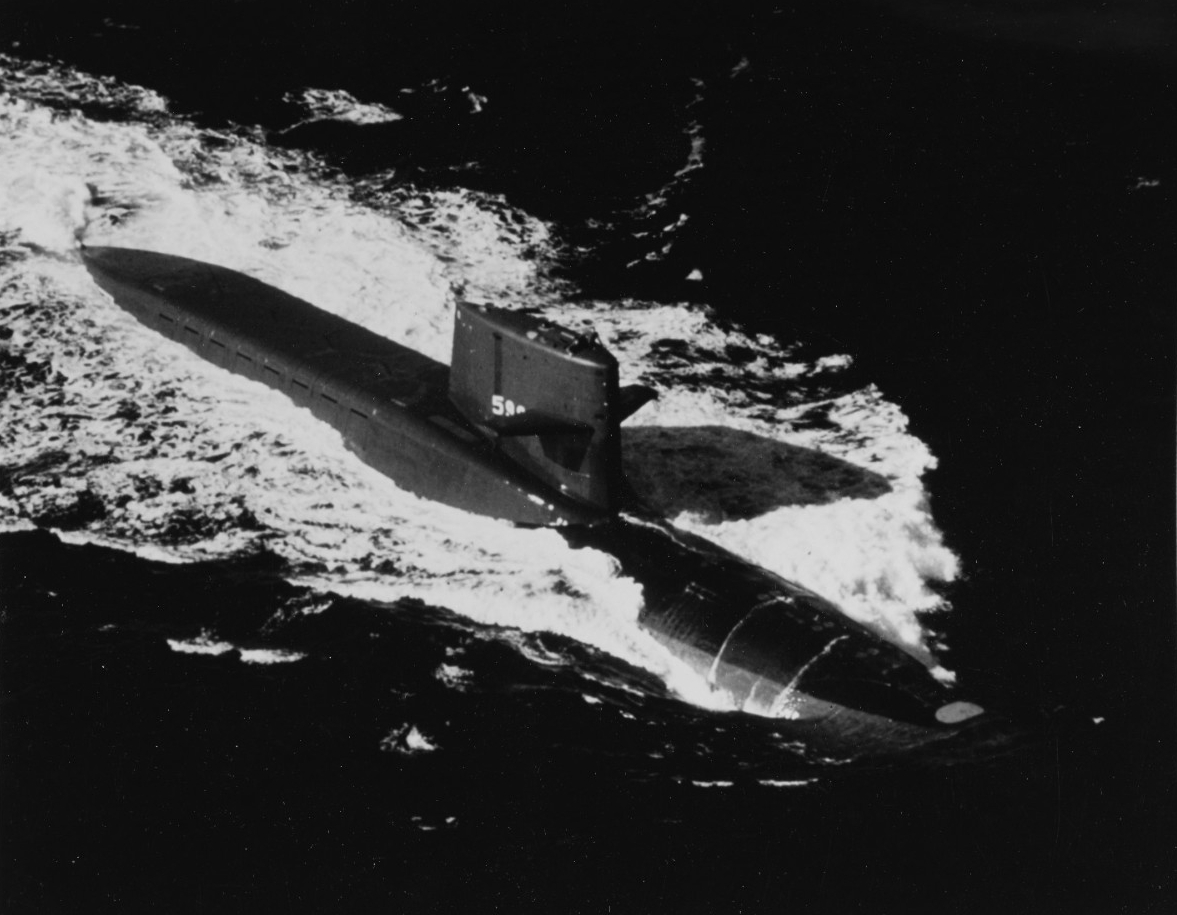
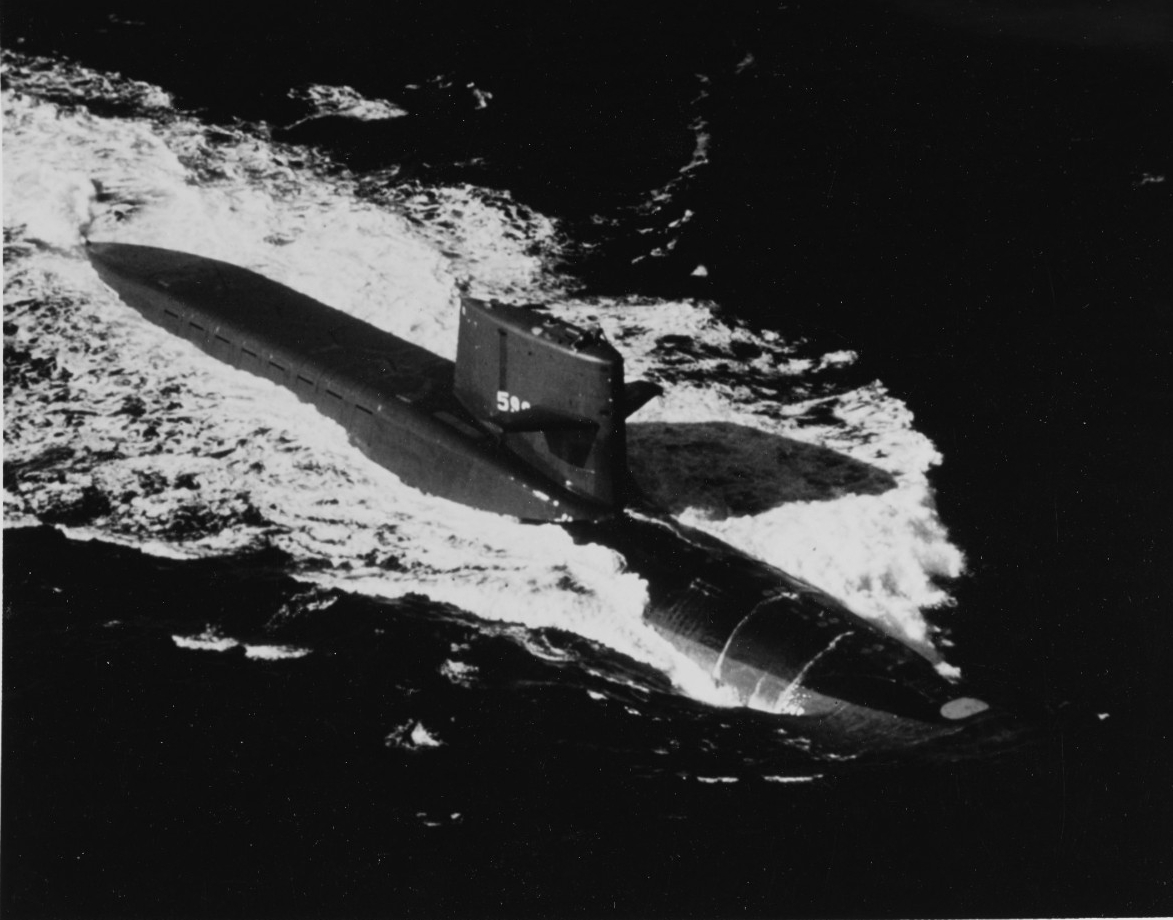
- 30 December 1959 Commissioned 30 December 1959 Named in honor of the commander in chief of the Continental Army and the first president of the United States, USS George Washington (SSBN-598) was commissioned 30 December 1959 at Groton, Connecticut, as the first in class of nuclear-powered ballistic missile submarines.
- 30 December 1959 Commissioned 30 December 1959 Anderson, Secretary of the Treasury, and commissioned on 30 December 1959, Cdr.
- 24 January 1985 Decommissioned 24 January 1985 ” George Washington was decommissioned on 24 January 1985, and was later scrapped.
- 24 January 1985 Decommissioned 24 January 1985 George Washington was decommissioned on 24 January 1985, stricken on 30 April 1986, and later transferred to Puget Sound Naval Shipyard, Bremerton, Wash.
- 30 April 1986 Stricken 30 April 1986 George Washington was decommissioned on 24 January 1985, stricken on 30 April 1986, and later transferred to Puget Sound Naval Shipyard, Bremerton, Wash.
- Her fate scrapped ” George Washington was decommissioned on 24 January 1985, and was later scrapped.
- Sponsored by Mrs. Ollie R ; launched on 9 June 1959; sponsored by Mrs.
- Her fate transferred to Puget Sound Naval Shipyard, Bremerton, Wash George Washington was decommissioned on 24 January 1985, stricken on 30 April 1986, and later transferred to Puget Sound Naval Shipyard, Bremerton, Wash.
- Decoration Navy Unit Commendation While there, George Washington received the Navy Unit Commendation.
- Decoration Navy Unit Commendation There she received the Navy Unit Commendation, covering the period of 9 June 1959–20 July 1960, after which her blue crew took over; and George Washington embarked on her first patrol.
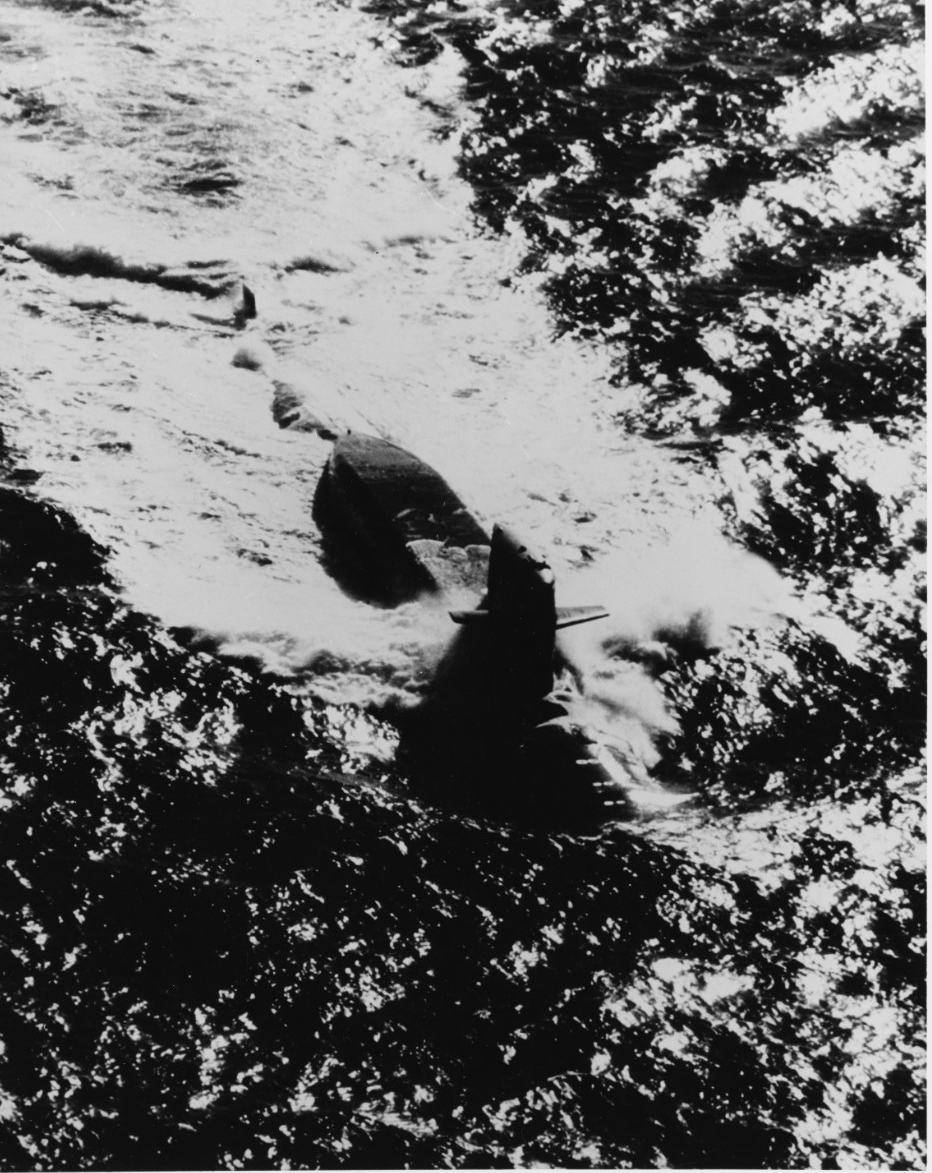
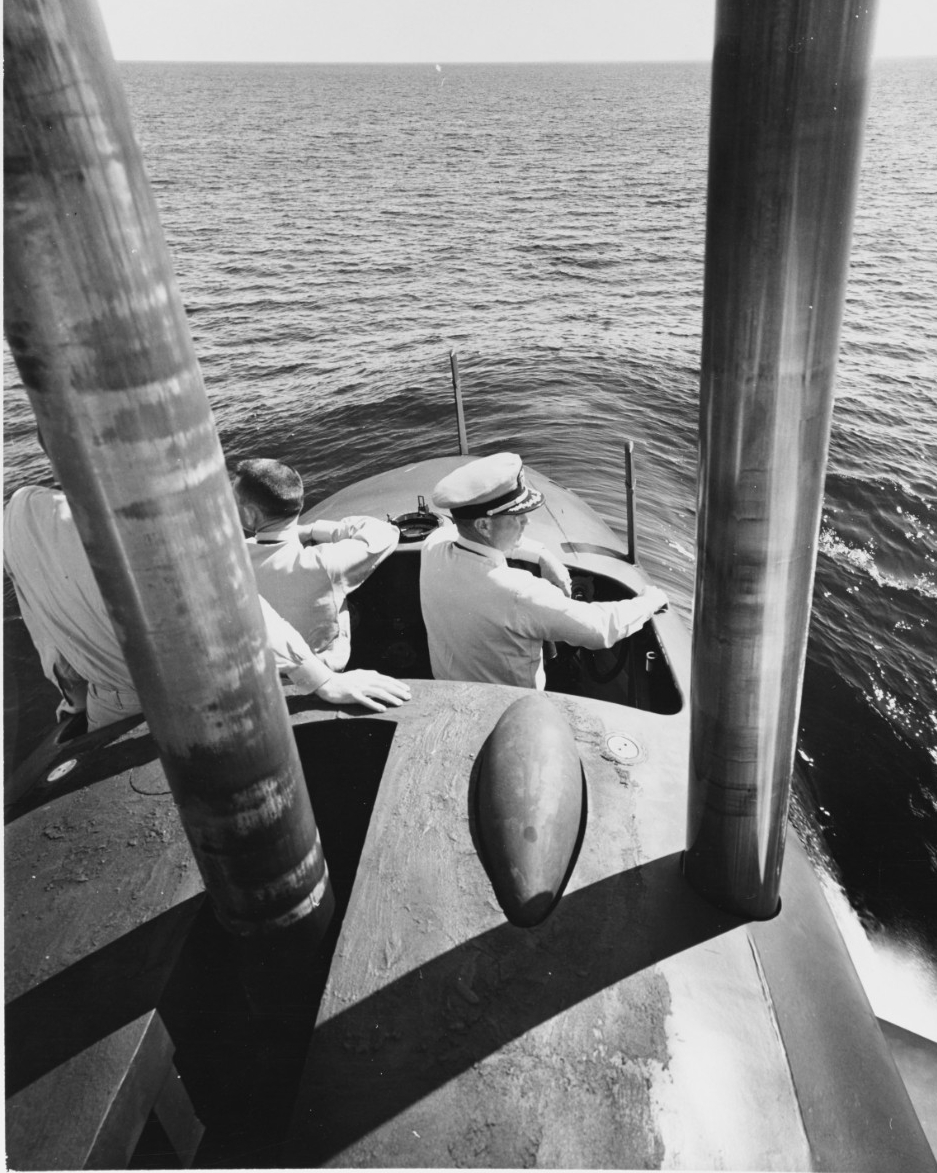
Named in honor of the commander in chief of the Continental Army and the first president of the United States, USS George Washington (SSBN-598) was commissioned 30 December 1959 at Groton, Connecticut, as the first in class of nuclear-powered ballistic missile submarines.
The third U.S. Navy ship named for George Washington (1732–1799), Commander in Chief of the Continental Army and the first President of the United States.
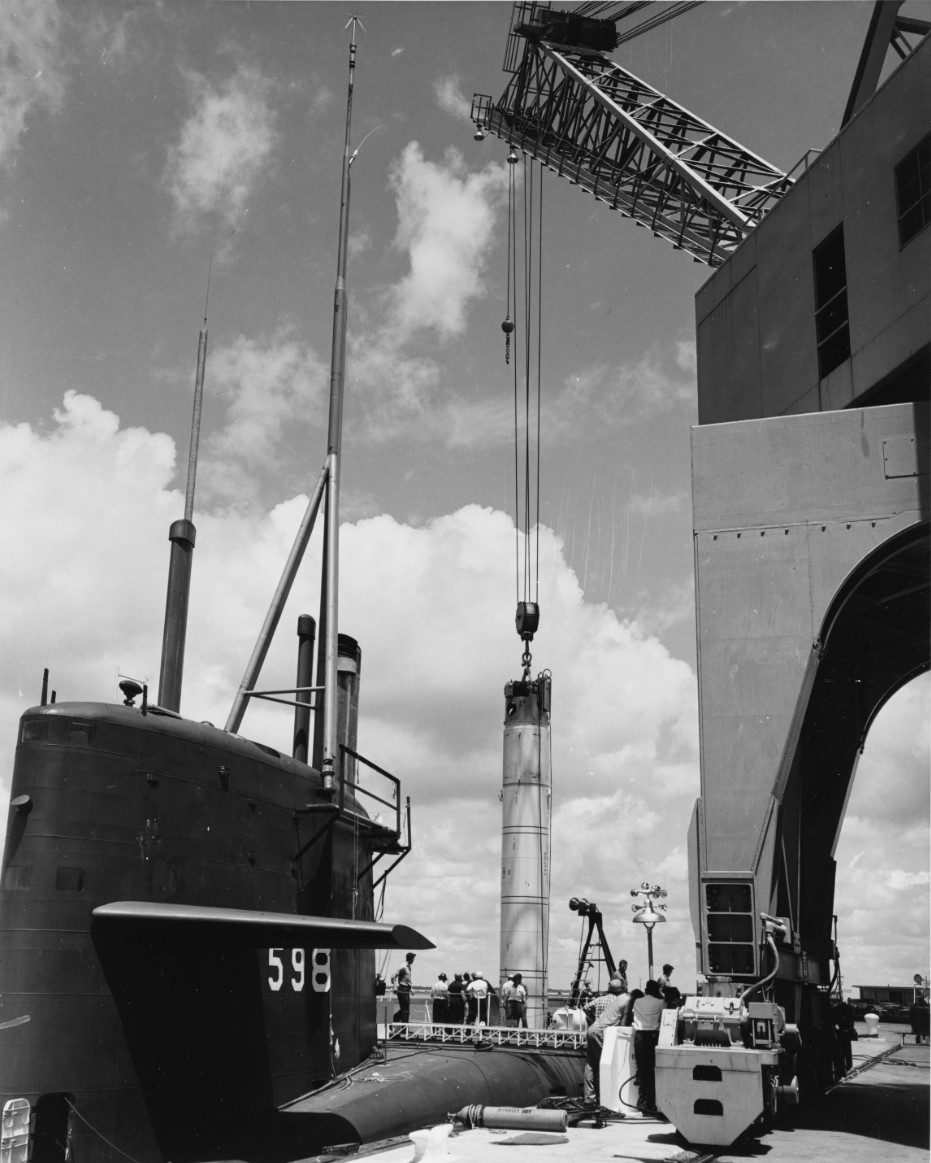
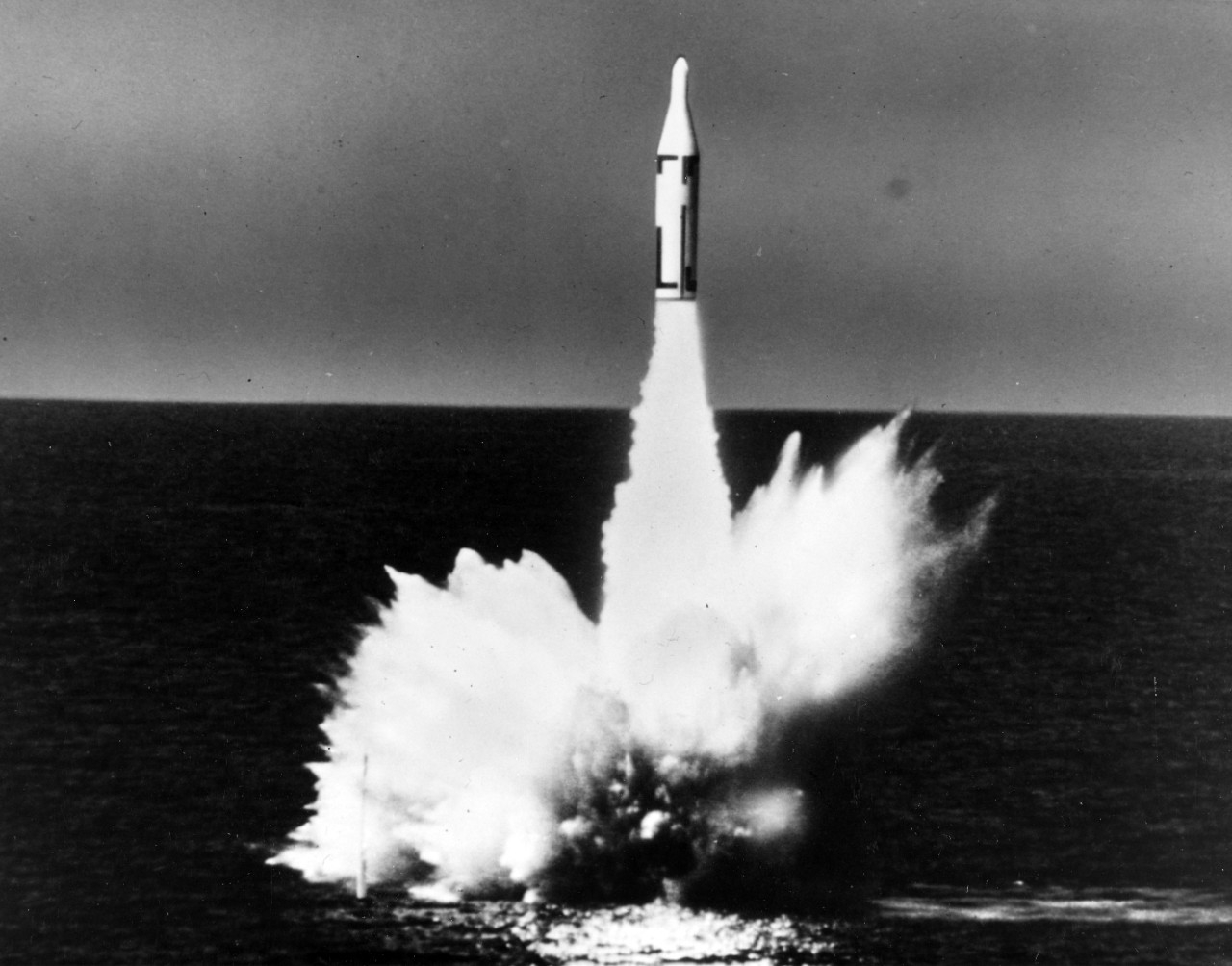
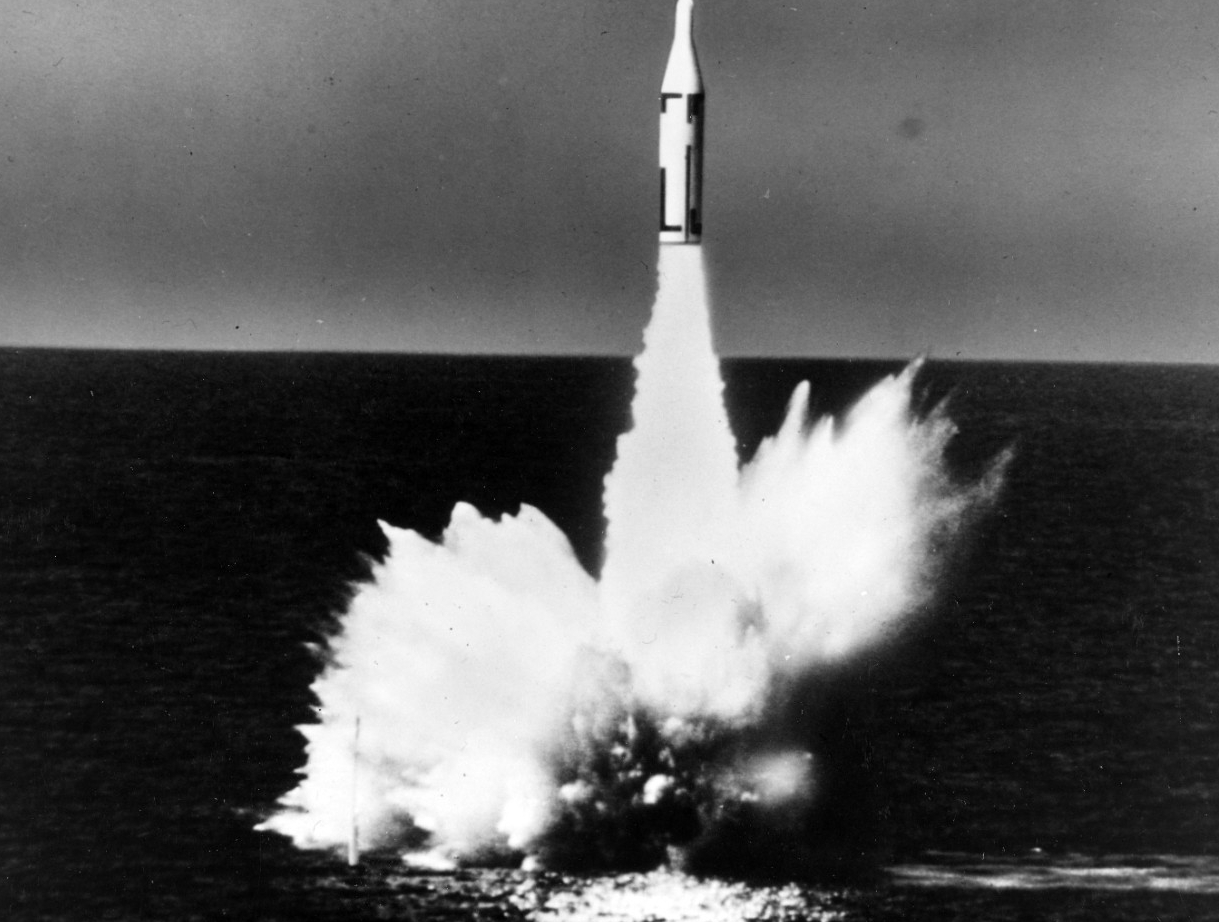
On 28 June 1960, George Washington steamed to Cape Canaveral, Florida, where the boat loaded two propellant Polaris missiles. While standing out in the Atlantic Missile Test Range on 20 July 1960—with head of the Polaris program Rear Admiral William F. Raborn onboard—George Washington made history when she successfully launched the first Polaris from a submerged submarine. At the completion of the successful launch, the boat’s commanding officer, Commander James Osborn, sent President Dwight D. Eisenhower the message, “Polaris from out of the deep to target. Perfect.” About two hours later, the submarine deployed a second Polaris that smashed into an impact area some 1,100 miles downrange.
In addition, six ships have been named Washington in honor of the first President. The first Washington -- while never part of the Continental Navy -- was a 160-ton schooner named Endeavor, acquired by Gen. Washington in 1775, fitted out and re-rigged as a brigantine, and served in 1775. The second Washington, a row galley, served from 1776–1778. Frigate Washington was launched on 7 August 1776 but never completed, and she was destroyed by fire on 7 May 1778. The third Washington, a lateen-rigged, two-masted galley, also served in 1776. The fourth Washington, a ship-of-the-line, served from 1815–1843. The fifth Washington, a revenue cutter, served from 1833–1837. The sixth Washington, also a revenue cutter, served from 1837–1861.
After launching the Polaris missiles, George Washington returned to Cape Canaveral and embarked her gold crew. On 30 July 1960, the new crew duplicated earlier successes by launching two more Polaris missiles while submerged. Shakedown for the gold crew ended at Groton on 30 August, and the boat was underway about two months later headed for Charleston, South Carolina, to load her full complement of 16 Polaris missiles. While there, George Washington received the Navy Unit Commendation.
After completing the historic launches, George Washington began her first patrol. During the maiden voyage, the submarine ran submerged 66 days before returning to Groton where the gold crew assumed responsibility of the boat’s second patrol. At the completion of the second patrol, George Washington made way to Holy Loch, Scotland, in April 1961. For the next few years, the submarine conducted classified deterrent patrols near the Soviet coastline, rotating the two crews. Four years after her departure from Groton, George Washington had steamed more than 100,000 miles.
(SSBN-598: displacement 5,600; length 382'; beam 33'; draft 29'; speed 20+ knots; complement 120; armament 16 Polaris A-1 submarine launched ballistic missiles; class George Washington)
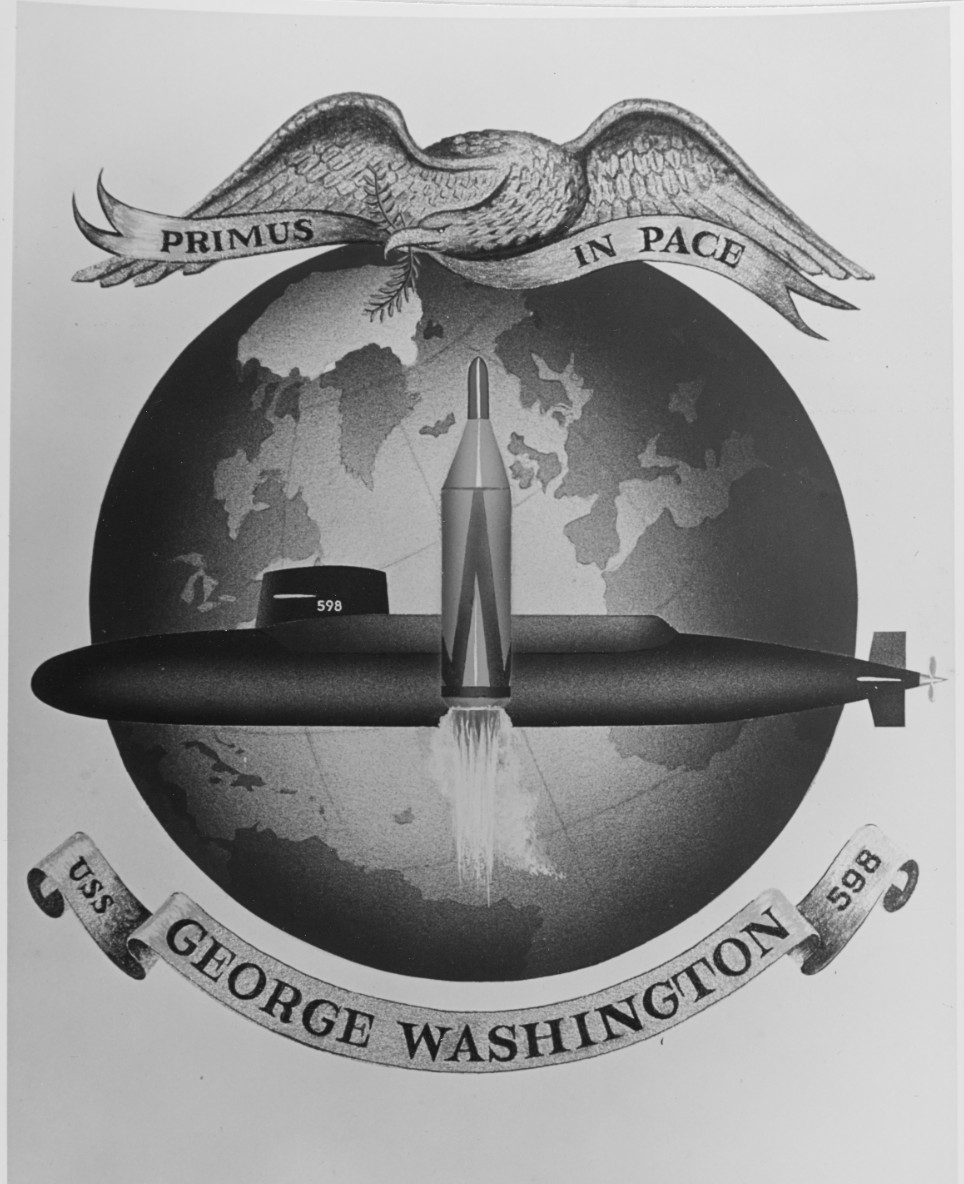
In 1965, after overhaul, the submarine resumed patrols with the Pacific Fleet, and for nearly 20 years acted as a deterrent to global war embodying her motto, “First in Peace.” George Washington was decommissioned on 24 January 1985, and was later scrapped. The submarine’s sail, or conning tower, was saved and is on display at the Submarine Force Museum in Groton.
The third George Washington (SSBN-598) was laid down on 1 November 1957 at Groton, Conn., by the Electric Boat Division of General Dynamics Corp.; launched on 9 June 1959; sponsored by Mrs. Ollie R. Anderson, wife of Robert B. Anderson, Secretary of the Treasury, and commissioned on 30 December 1959, Cdr. James B. Osborn (blue crew) and Cdr. John L. From Jr. (gold crew) in command.
The first of a class of ballistic missile submarines, George Washington sailed from Groton on 28 June 1960 for Cape Canaveral, Fla., where she loaded two solid propellant Polaris missiles. Standing out into the Atlantic Missile Test Range with Rear Adm. William F. Raborn, head of the Polaris submarine development program on board as an observer, the nuclear powered submarine made history on 20 July 1960 when she successfully launched the first Polaris from a submerged submarine. At 1239, George Washington's commanding officer sent President Dwight D. Eisenhower the message: "Polaris from out of the deep to target. Perfect." Less than two hours later another missile from the submerged submarine homed in on the impact area 1,100 miles down range.
High Velocity Outcomes: People, Not Process The U.S. Navy in the Cold War Era, 1945–1991 First in Peace: USS George Washington (SSBN-598) and the Polaris Missile
George Washington returned to Cape Canaveral to embark her gold crew, and on 30 July 1960 duplicated her earlier successes by launching two more missiles while submerged. Shakedown for the gold crew ended at Groton on 30 August and the submarine got underway from that port on 28 October for Charleston, S.C., to load her full complement of 16 Polaris missiles. There she received the Navy Unit Commendation, covering the period of 9 June 1959–20 July 1960, after which her blue crew took over; and George Washington embarked on her first patrol.
Activities Onboard USS George Washington (SSBN-598) USS George Washington (SSBN-598) and USS Triton (SSR(N)-586) Activities On Board USS George Washington (SSBN-598) in New London Harbor
The submarine completed her first patrol after 66 days of submerged running on 21 January 1961 and put in at New London, Conn. The gold crew took over; and she departed on her next patrol on 14 February. After the patrol George Washington entered Holy Loch, Scotland, on 25 April 1961. Through 1964 she continued to conduct classified deterrent patrols from that port, alternating her two crews. Four years after her initial departure from Groton she put in to refuel, having steamed 100,000 miles.
After overhaul and refueling at Electric Boat in 1965, George Washington resumed her patrols and served as a deterrent to global war for the next twenty years.
George Washington was decommissioned on 24 January 1985, stricken on 30 April 1986, and later transferred to Puget Sound Naval Shipyard, Bremerton, Wash., for scrapping. She was disposed of by submarine recycling on 30 September 1998.
Detailed history pending.
Mark L. Evans 20 June 2018
Held by NeuraWeb Global Inc. and kept permanently. Her association may claim this record and maintain it.