 U.S. Army · United States
Raul Perez Benavidez
Raul Perez "Roy" Benavidez
Master Sergeant
1935 – 1998
 Medal of Honor
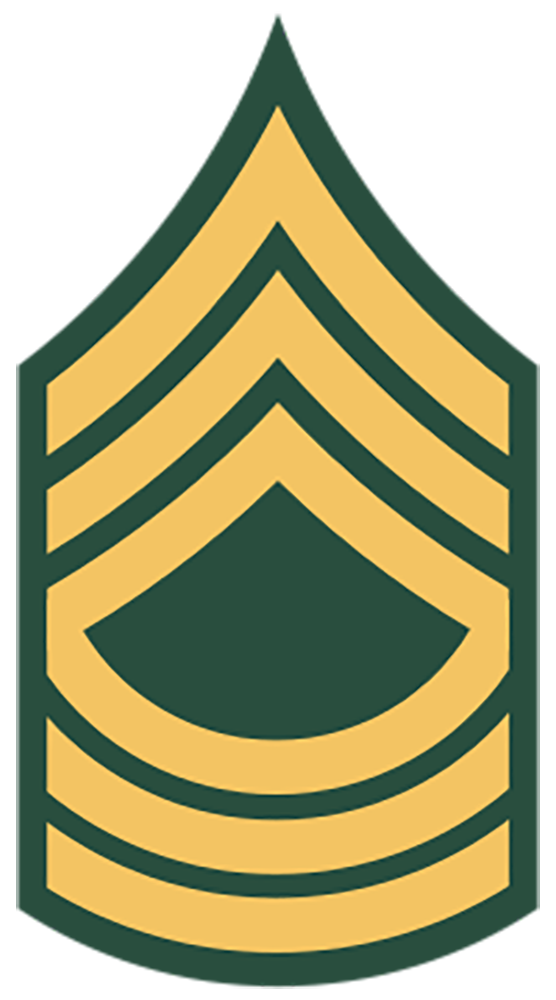
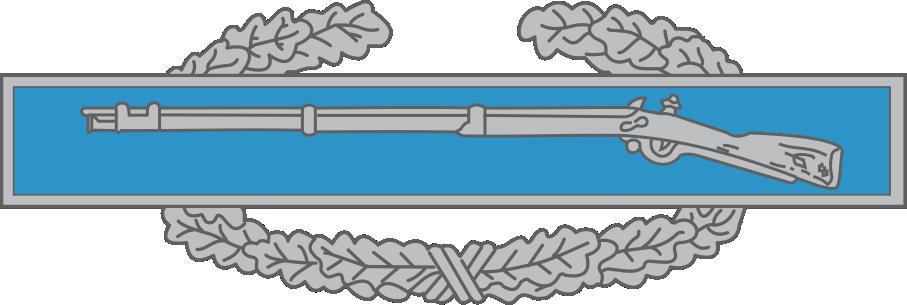
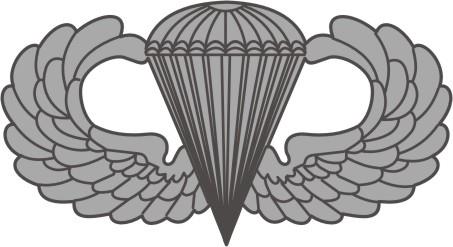
















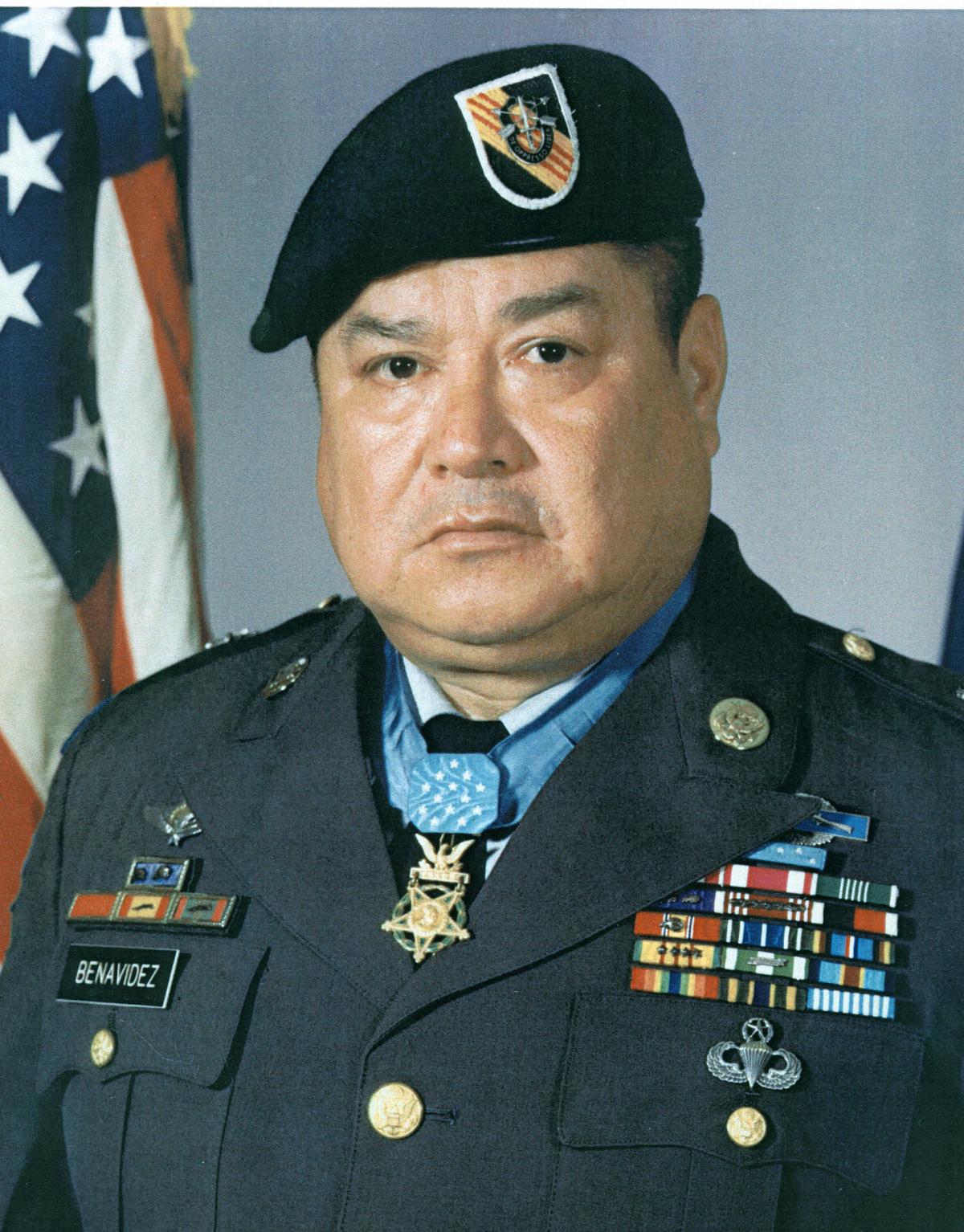
Master Sergeant Raul Perez Benavidez served the 5th Special Forces Group (Airborne) for 25 years. Raul served in the Korean War, the Vietnam War and the Cold War. Raul was 63 years old.
How He Died
Manner
Natural
Cause
Natural disease
Mechanism
Unknown
What Happened
Benavidez died on 29 November 1998 at San Antonio, Texas, aged 63. He had lived thirty years with the wounds of 2 May 1968 - thirty-seven puncture, bullet and shrapnel wounds, a shattered jaw, a punctured lung, and shrapnel that was never removed.
He is buried at Fort Sam Houston National Cemetery.
He is buried at Fort Sam Houston National Cemetery.
Biography
Raul Perez Benavidez, called Roy, was born 5 August 1935 at Lindenau near Cuero, in DeWitt County, Texas. His father Salvador was a Mexican farmer, his mother Teresa Perez was Yaqui, and he was a descendant of the founders of Benavides, Texas. His father died of tuberculosis when he was two; his mother died when he was seven. He and his brother were raised by their grandfather, uncle and aunt in El Campo, and he left school in the seventh grade to work the fields.
He enlisted in the Texas Army National Guard in 1952, during the Korean War, and went to active duty in June 1955. He married Hilaria Coy in 1959, completed airborne training, and joined the 82nd Airborne Division at Fort Bragg. He later qualified for Special Forces and served with the 5th Special Forces Group and the Studies and Observations Group.
In 1965 he was sent to South Vietnam as an advisor to an ARVN infantry regiment. On a solo reconnaissance mission he stepped on a landmine. Doctors at Fort Sam Houston said he would never walk again and began his medical discharge.
Against orders he crawled at night to the wall beside his bed, propped himself against it, and tried to lift himself - toes first, then feet, then ankles and legs. It took months and by his own account often left him in tears. He walked out of the hospital in July 1966 with his wife beside him, and returned to Vietnam in January 1968.
On 2 May 1968, west of Loc Ninh, a twelve-man patrol was surrounded. He heard the call over the radio, ran to a returning helicopter with a knife and a medical bag, and jumped from it into the fire. Over six hours he reached the team, carried the wounded out, retrieved classified documents from the dead team leader, called in air strikes, and fought hand to hand with a soldier who bayoneted him.
He was carried off with thirty-seven wounds, unable to speak or move, and a doctor began to zip the body bag. He spat in the doctor's face - the only signal he could give that he was alive.
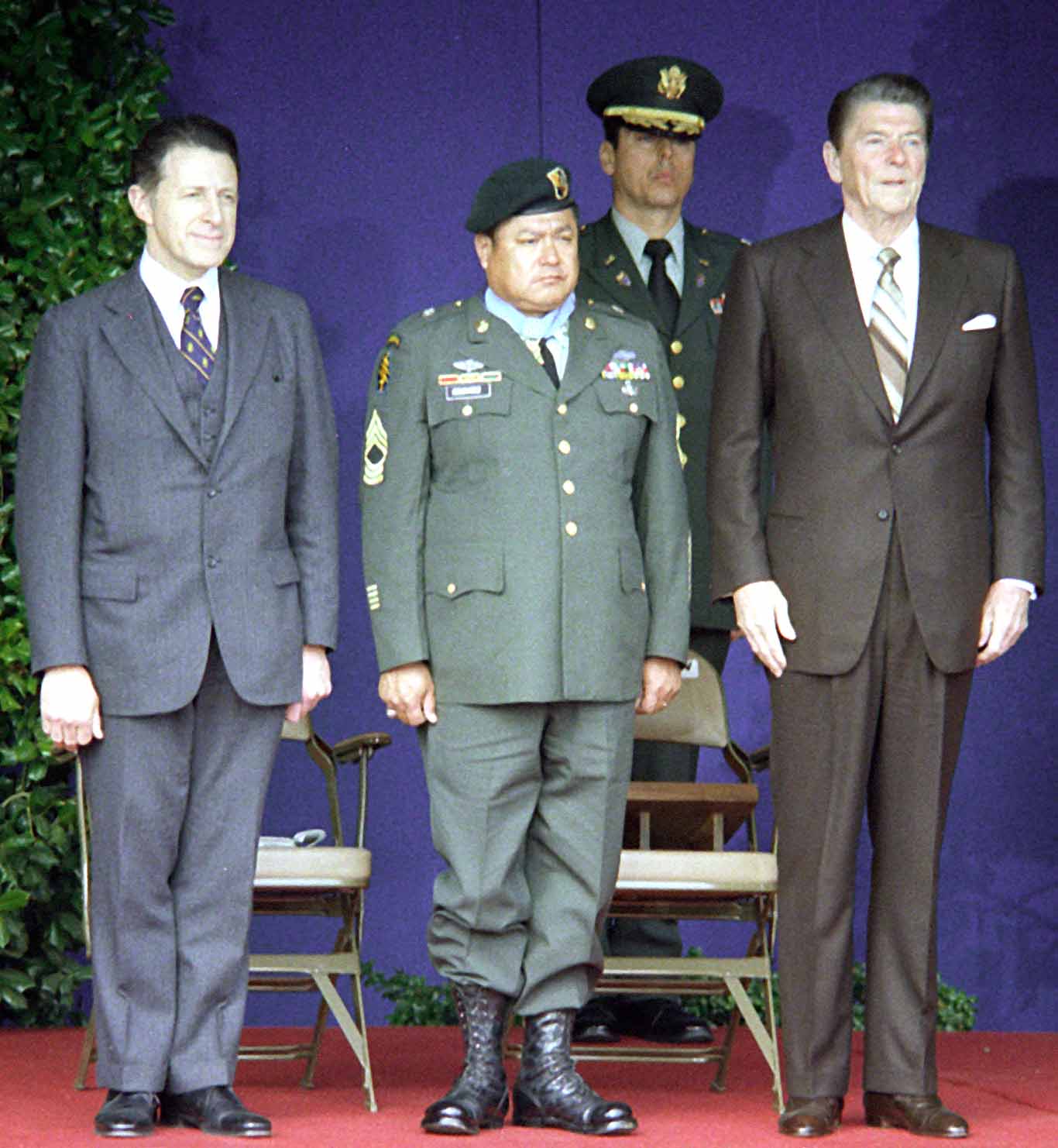
His award was a Distinguished Service Cross. The Medal of Honor needed an eyewitness and for years none could be found; Brian O'Connor, believed dead, was living in Fiji and read about him in a newspaper in 1980. He sent a ten-page account. President Reagan presented the Medal of Honor on 24 February 1981, telling the press: "You are going to hear something you would not believe if it were a script."
He spent the rest of his life speaking to schoolchildren, and testified before Congress when veterans' disability benefits were threatened.
He enlisted in the Texas Army National Guard in 1952, during the Korean War, and went to active duty in June 1955. He married Hilaria Coy in 1959, completed airborne training, and joined the 82nd Airborne Division at Fort Bragg. He later qualified for Special Forces and served with the 5th Special Forces Group and the Studies and Observations Group.
In 1965 he was sent to South Vietnam as an advisor to an ARVN infantry regiment. On a solo reconnaissance mission he stepped on a landmine. Doctors at Fort Sam Houston said he would never walk again and began his medical discharge.
Against orders he crawled at night to the wall beside his bed, propped himself against it, and tried to lift himself - toes first, then feet, then ankles and legs. It took months and by his own account often left him in tears. He walked out of the hospital in July 1966 with his wife beside him, and returned to Vietnam in January 1968.
On 2 May 1968, west of Loc Ninh, a twelve-man patrol was surrounded. He heard the call over the radio, ran to a returning helicopter with a knife and a medical bag, and jumped from it into the fire. Over six hours he reached the team, carried the wounded out, retrieved classified documents from the dead team leader, called in air strikes, and fought hand to hand with a soldier who bayoneted him.
He was carried off with thirty-seven wounds, unable to speak or move, and a doctor began to zip the body bag. He spat in the doctor's face - the only signal he could give that he was alive.
His award was a Distinguished Service Cross. The Medal of Honor needed an eyewitness and for years none could be found; Brian O'Connor, believed dead, was living in Fiji and read about him in a newspaper in 1980. He sent a ten-page account. President Reagan presented the Medal of Honor on 24 February 1981, telling the press: "You are going to hear something you would not believe if it were a script."
He spent the rest of his life speaking to schoolchildren, and testified before Congress when veterans' disability benefits were threatened.
Service Record
U.S. Army
Special Forces medic
1952 – 1976
Texas Army National Guard 1952 during the Korean War. Active duty June 1955. Airborne training and the 82nd Airborne at Fort Bragg. Special Forces qualified, 5th Special Forces Group and SOG. Wounded by a landmine in 1965 and told he would not walk again. Retired 1976.
U.S. Army
1952 – 1976
Enlisted in the Texas Army National Guard in 1952, during the Korean War, and went to Army active duty in June 1955.
U.S. Army
1952 – 1976
Assigned to the 82nd Airborne Division at Fort Bragg in 1959, after completing Airborne training.
U.S. Army
1952 – 1976
Detachment B-56, west of Loc Ninh, 2 May 1968 - six hours, thirty-seven wounds, and at least eight men brought out alive.
Conflicts
Awards & Decorations
20
Campaign and service medals
Medal of Honor - Army
Master Sergeant (then Staff Sergeant) Roy P. Benavidez distinguished himself by a series of daring and extremely valorous actions on 2 May 1968 while assigned to Detachment B-56, 5th Special Forces Group (Airborne), 1st Special Forces, Republic of Vietnam. On the morning of 2 May 1968, a 12-man Special Forces Reconnaissance Team was inserted by helicopters in a dense jungle area west of Loc Ninh, Vietnam to gather intelligence information about confirmed large-scale enemy activity. This area was controlled and routinely patrolled by the North Vietnamese Army. After a short period of time on the ground, the team met heavy enemy resistance, and requested emergency extraction. Three helicopters attempted extraction, but were unable to land due to intense enemy small arms and anti-aircraft fire. Sergeant Benavidez was at the Forward Operating Base in Loc Ninh monitoring the operation by radio when these helicopters returned to off-load wounded crewmembers and to assess aircraft damage. Sergeant Benavidez voluntarily boarded a returning aircraft to assist in another extraction attempt. Realizing that all the team members were either dead or wounded and unable to move to the pickup zone, he directed the aircraft to a nearby clearing where he jumped from the hovering helicopter, and ran approximately 75 meters under withering small arms fire to the crippled team.
 Distinguished Service Cross upgraded
Purple Heart four oak leaf clusters ×5
Army Good Conduct Medal silver clasp and two loops
National Defense Service Medal one service star
Korean Service Medal one campaign star
Vietnam Service Medal four campaign stars
Republic of Vietnam Campaign Medal 1960- device
Service ribbons
NCO Professional Development Ribbon award numeral 3
In Our Keeping
Permanent identifier
neuraspine_01krcr409a3x4n8scq1d6hk946
Record added
August 8, 2026
neuraweb.nw
Stewarded by
neuraweb.nw
Last updated
September 10, 2026
This page is permanent and free. No fee to view it, no advertising, no tracking, and no account required. It will not be taken down.
Are you family? This record can be claimed and maintained by those who knew Raul. Claim this record.
Be the first to honor Raul.
Leave a Tribute