United States of America
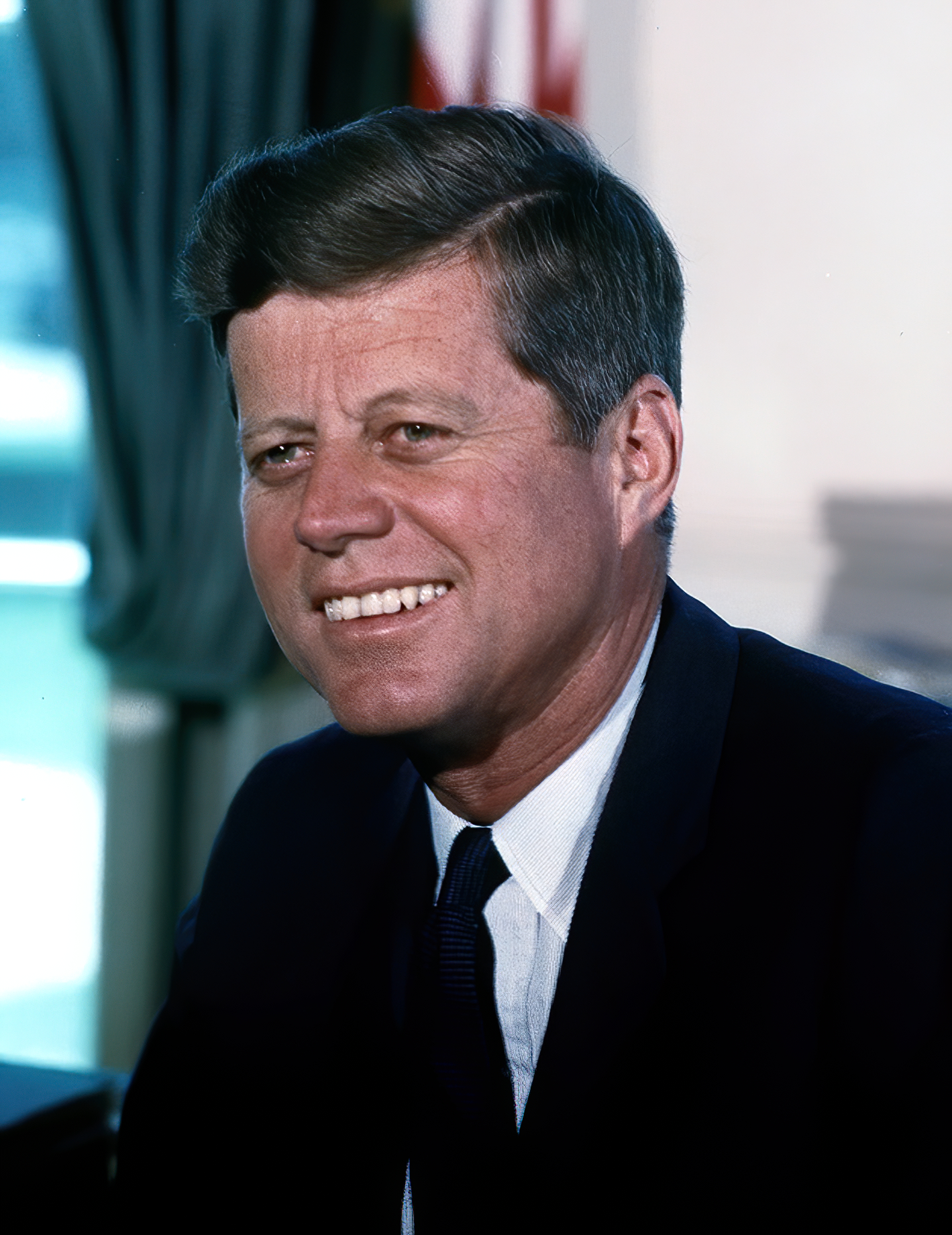
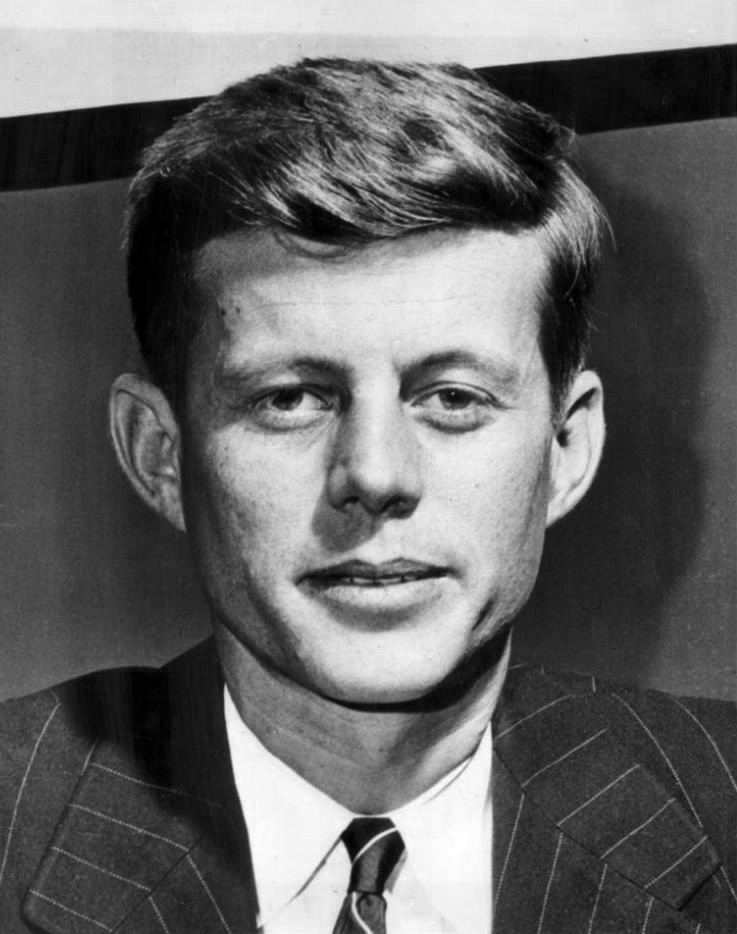
 U.S. Navy Reserve · United States
Lieutenant John Kennedy served the Office of Naval Intelligence, and the Sixth Naval District for 3 years. John also served in the U.S. Navy Reserve. John served in World War II. John was married to Jacqueline Kennedy. John was 46 years old.
What Happened
John Fitzgerald Kennedy was born in Brookline, Massachusetts, on May 29, 1917, and grew up there and in Bronxville, New York. He graduated from Harvard in 1940.
He joined the Naval Reserve in September 1941 and was commissioned an ensign in October 1941. In January 1942 he was sent to the Office of Naval Intelligence field office at Charleston, South Carolina. After officer training at Northwestern University and motor torpedo boat school, and promotion to lieutenant (junior grade) on October 10, 1942, he commanded PT-101 in training squadrons in Rhode Island and Panama.
In February 1943 he was ordered to Motor Torpedo Boat Squadron Two in the Solomon Islands, reached Tulagi in April and took command of PT-109 on April 23. In the dark early hours of August 2, 1943, in Blackett Strait, the Japanese destroyer Amagiri ran into the boat and cut it in two. Two of the crew were killed. Kennedy, his back injured, towed a badly burned sailor to an island by a strap held in his teeth, and over the following days swam out repeatedly in search of help. The eleven survivors were picked up after about a week with the aid of island scouts. He received the Navy and Marine Corps Medal and the Purple Heart. That autumn he commanded PT-59, rearmed as a gunboat, until illness sent him home.
Promoted to lieutenant in 1944, he was treated for back injuries and retired from the Navy on physical disability on March 1, 1945.
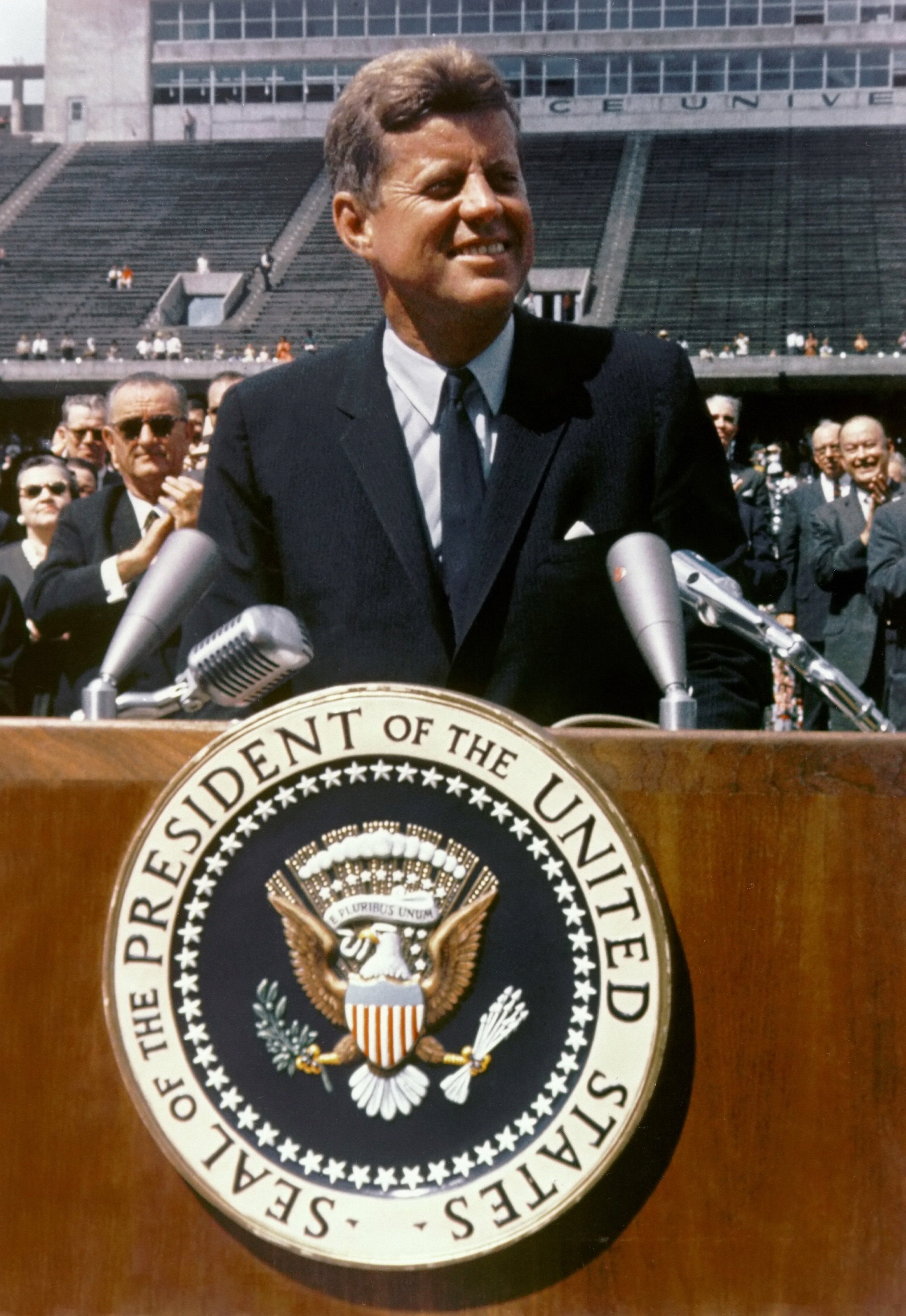
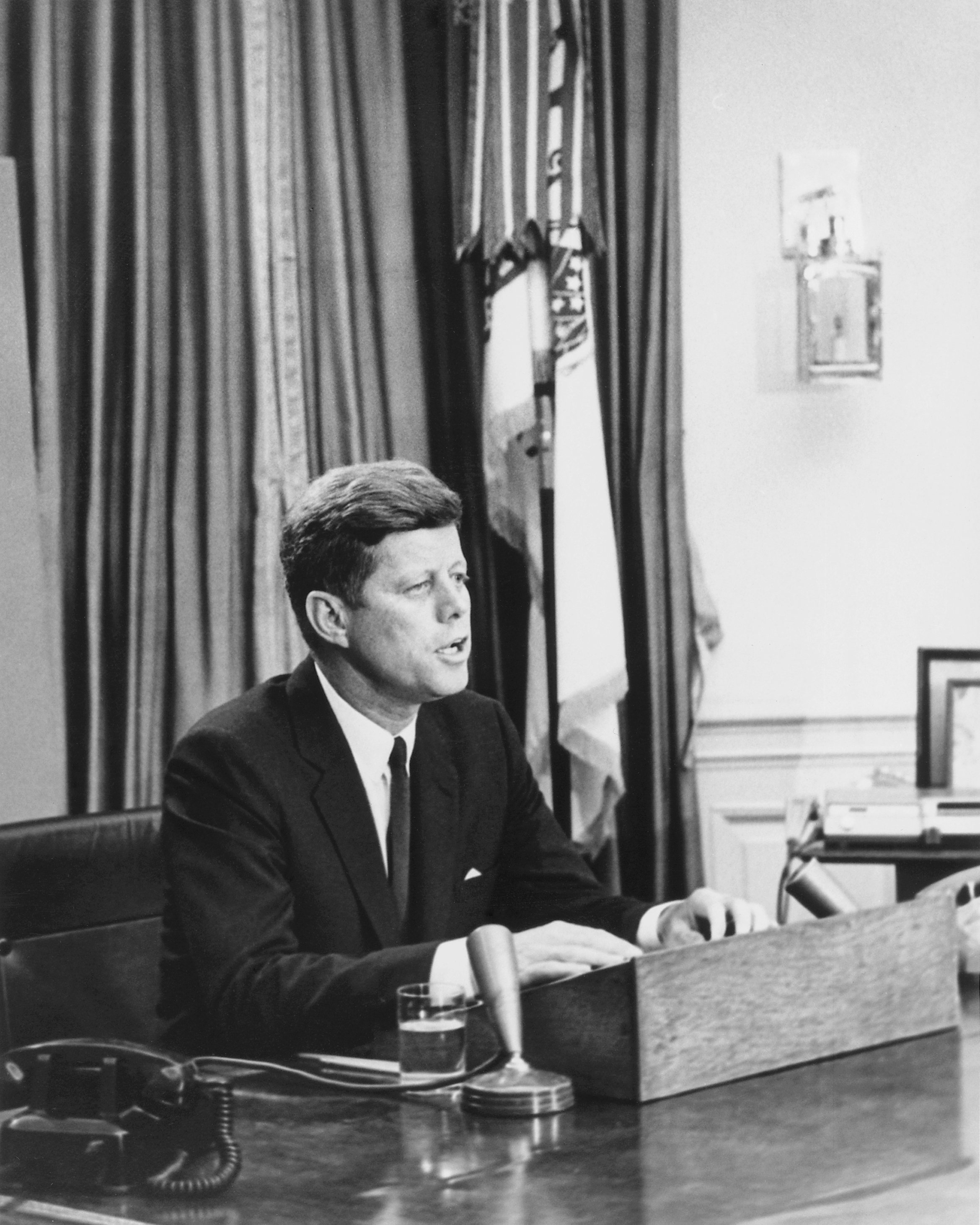
He went on to serve in the House from 1947 and the Senate from 1953, and was President from January 1961.
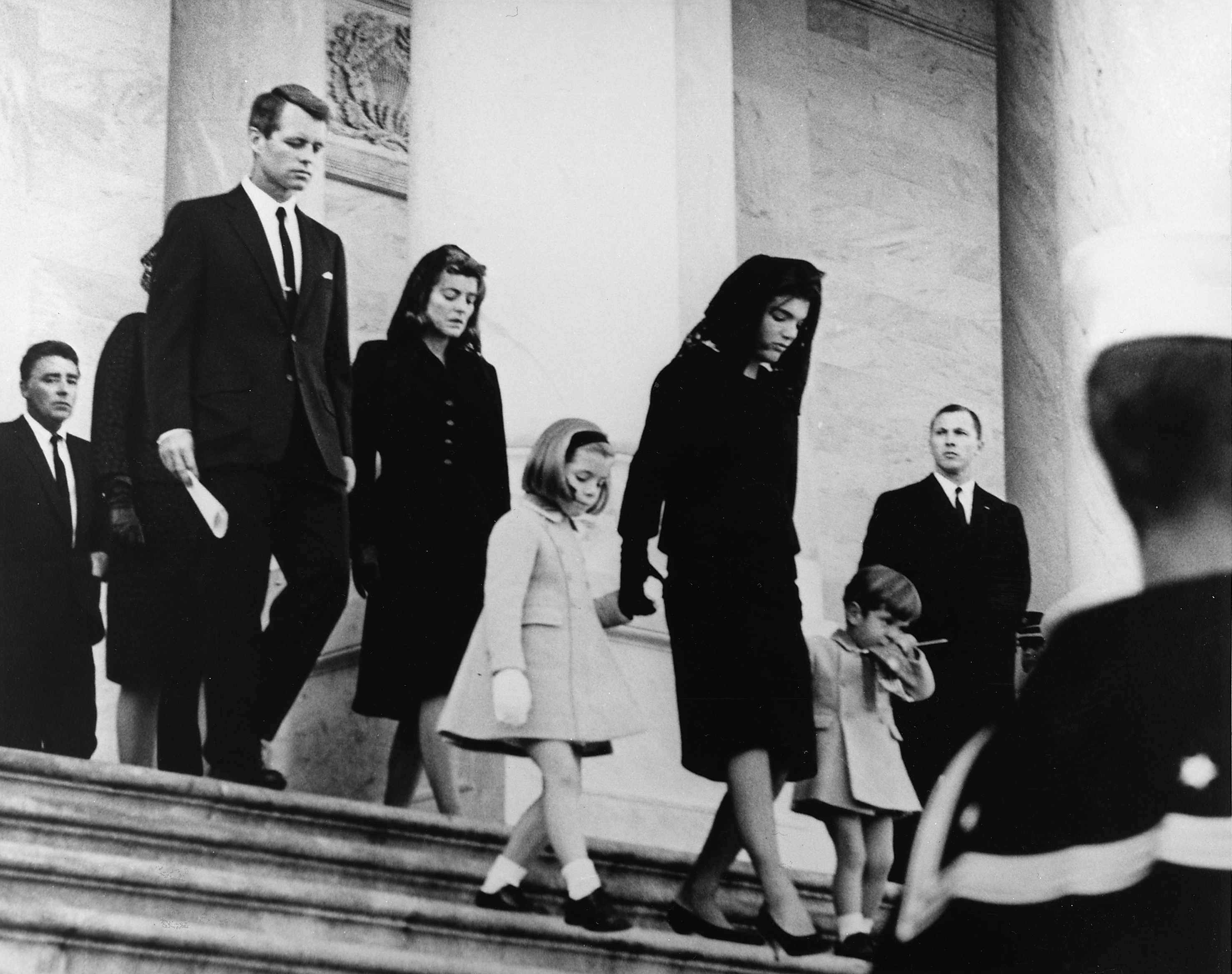
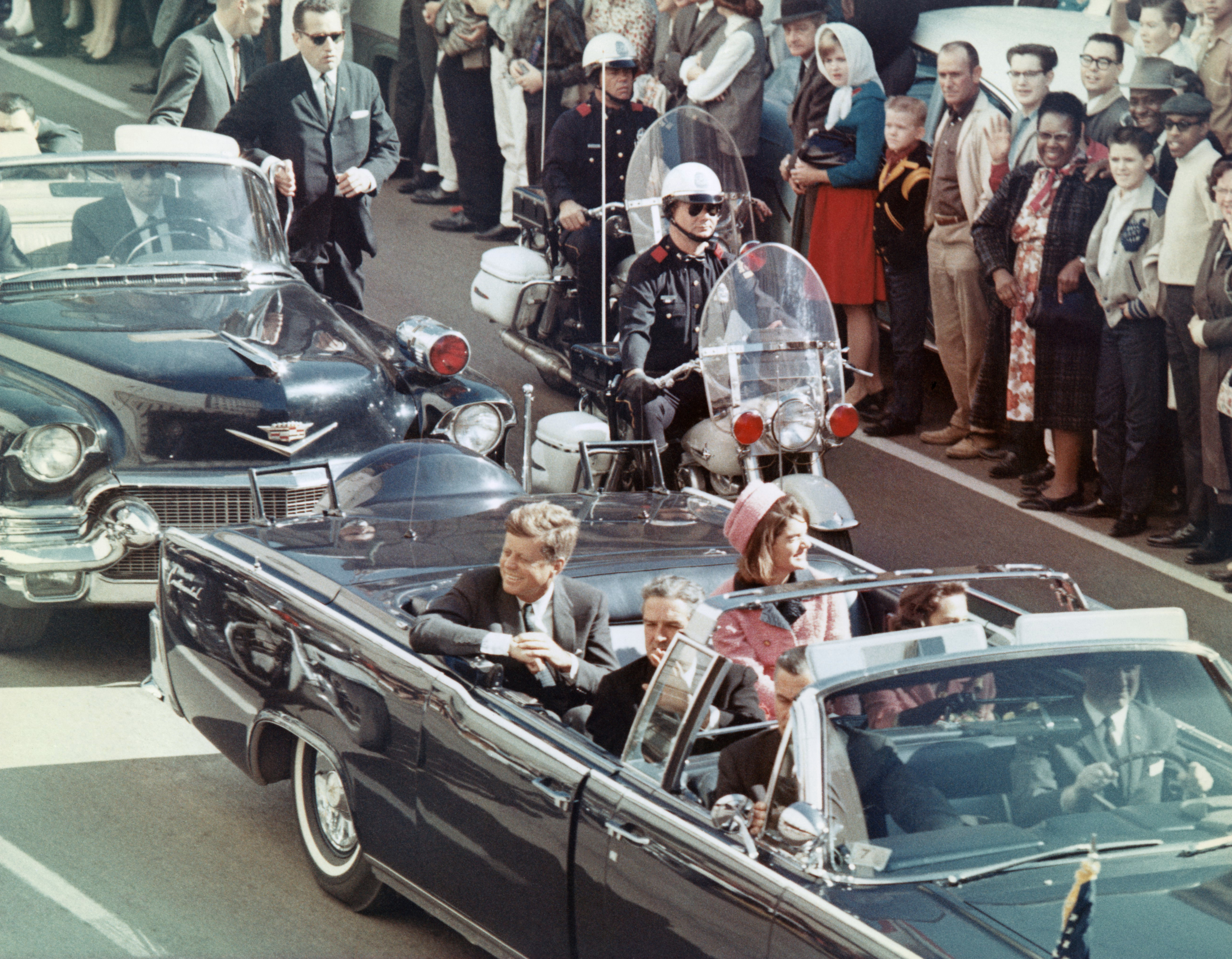
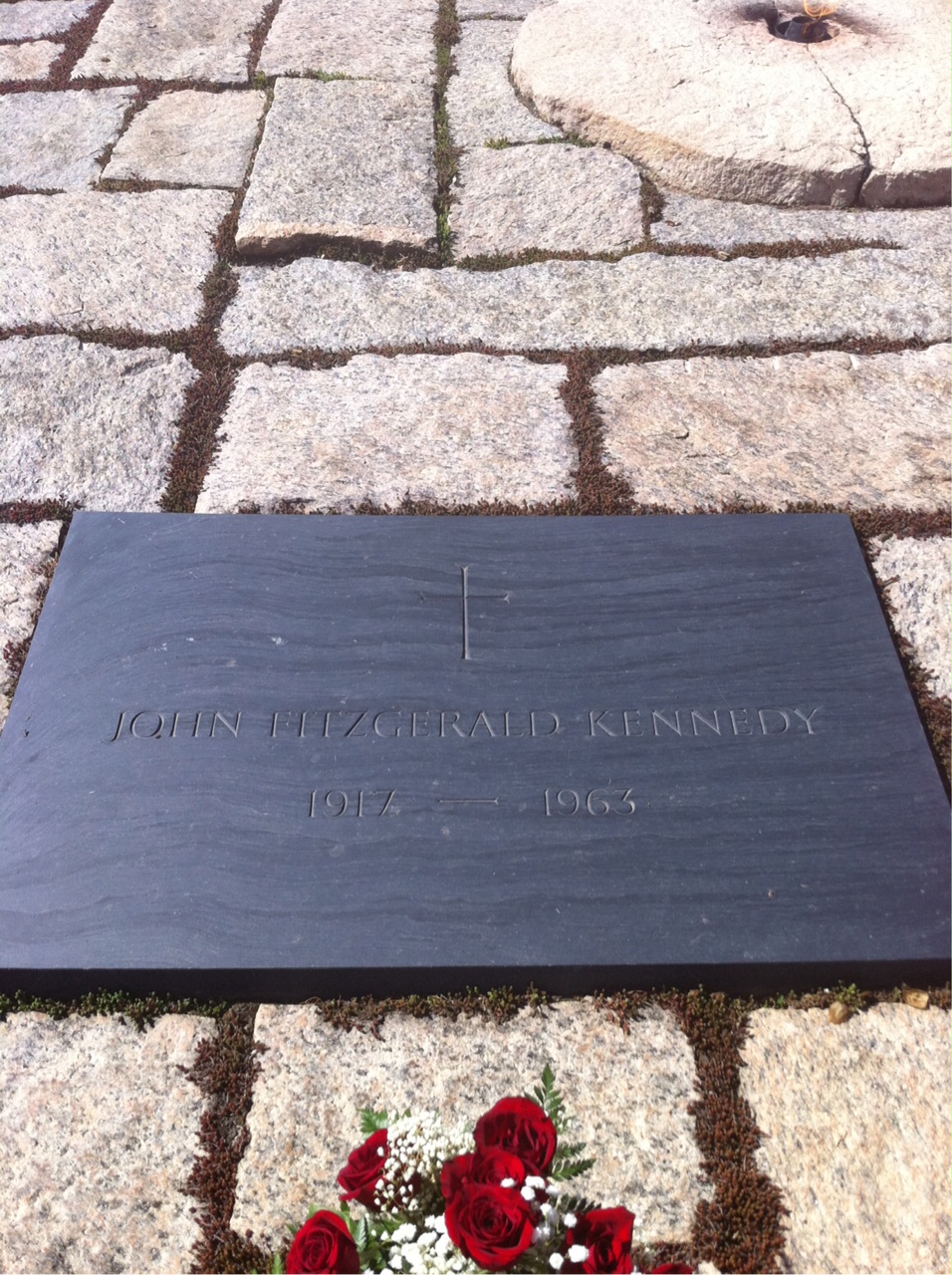
Kennedy was shot and killed in Dallas, Texas, on November 22, 1963, and was buried at Arlington National Cemetery.
He joined the Naval Reserve in September 1941 and was commissioned an ensign in October 1941. In January 1942 he was sent to the Office of Naval Intelligence field office at Charleston, South Carolina. After officer training at Northwestern University and motor torpedo boat school, and promotion to lieutenant (junior grade) on October 10, 1942, he commanded PT-101 in training squadrons in Rhode Island and Panama.
In February 1943 he was ordered to Motor Torpedo Boat Squadron Two in the Solomon Islands, reached Tulagi in April and took command of PT-109 on April 23. In the dark early hours of August 2, 1943, in Blackett Strait, the Japanese destroyer Amagiri ran into the boat and cut it in two. Two of the crew were killed. Kennedy, his back injured, towed a badly burned sailor to an island by a strap held in his teeth, and over the following days swam out repeatedly in search of help. The eleven survivors were picked up after about a week with the aid of island scouts. He received the Navy and Marine Corps Medal and the Purple Heart. That autumn he commanded PT-59, rearmed as a gunboat, until illness sent him home.
Promoted to lieutenant in 1944, he was treated for back injuries and retired from the Navy on physical disability on March 1, 1945.
He went on to serve in the House from 1947 and the Senate from 1953, and was President from January 1961.
Kennedy was shot and killed in Dallas, Texas, on November 22, 1963, and was buried at Arlington National Cemetery.
Biography
The thirty-fifth President of the United States, and before that a lieutenant in the naval reserve.
He was born at Brookline on the twenty-ninth of May 1917, the second of nine children, and was ill for much of his childhood - scarlet fever at two, and a back that troubled him the rest of his life. He took his degree at Harvard in 1940 with a thesis on why Britain had not rearmed, which was published and sold.
The Army turned him down on his back. He got into the naval reserve in September 1941 with the help of a friend of his father's, and into the boats the same way. In April 1943 he took command of PT-109 in the Solomons.
On the night of the second of August a Japanese destroyer came out of the dark and cut the boat in half. Two of his crew were killed. He swam his men three and a half miles to an island, towing a man burned too badly to swim by the strap of his lifejacket held in his teeth, and went out again over the following days looking for help. He carved a message into a coconut shell and gave it to two islanders who carried it through Japanese-held water. All eleven survivors were taken off six days later.
He was given the Navy and Marine Corps Medal for it, and a Purple Heart for the back he had made worse. Asked later how he became a war hero he said: it was easy, they cut my PT boat in half.
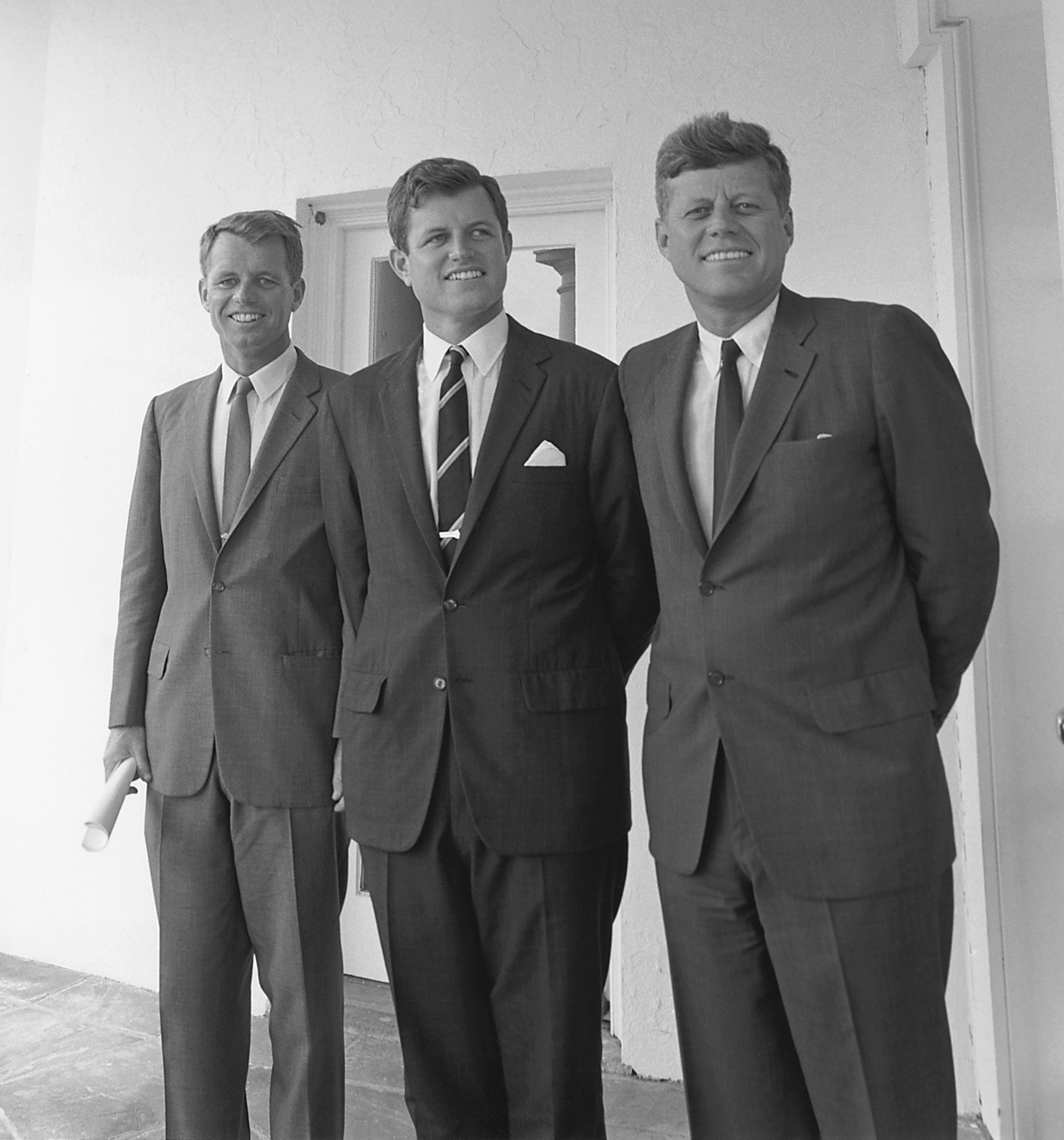
His elder brother Joseph was killed flying a mission over England in August 1944. He was discharged on physical disability in March 1945 and went into the House the following year, the Senate in 1953, and the presidency in 1961 - the youngest man ever elected to it, and the first Catholic.
He was killed at Dealey Plaza in Dallas at half past twelve on the twenty-second of November 1963. He was forty-six. He is buried at Arlington.
He was born at Brookline on the twenty-ninth of May 1917, the second of nine children, and was ill for much of his childhood - scarlet fever at two, and a back that troubled him the rest of his life. He took his degree at Harvard in 1940 with a thesis on why Britain had not rearmed, which was published and sold.
The Army turned him down on his back. He got into the naval reserve in September 1941 with the help of a friend of his father's, and into the boats the same way. In April 1943 he took command of PT-109 in the Solomons.
On the night of the second of August a Japanese destroyer came out of the dark and cut the boat in half. Two of his crew were killed. He swam his men three and a half miles to an island, towing a man burned too badly to swim by the strap of his lifejacket held in his teeth, and went out again over the following days looking for help. He carved a message into a coconut shell and gave it to two islanders who carried it through Japanese-held water. All eleven survivors were taken off six days later.
He was given the Navy and Marine Corps Medal for it, and a Purple Heart for the back he had made worse. Asked later how he became a war hero he said: it was easy, they cut my PT boat in half.
His elder brother Joseph was killed flying a mission over England in August 1944. He was discharged on physical disability in March 1945 and went into the House the following year, the Senate in 1953, and the presidency in 1961 - the youngest man ever elected to it, and the first Catholic.
He was killed at Dealey Plaza in Dallas at half past twelve on the twenty-second of November 1963. He was forty-six. He is buried at Arlington.
Survivors
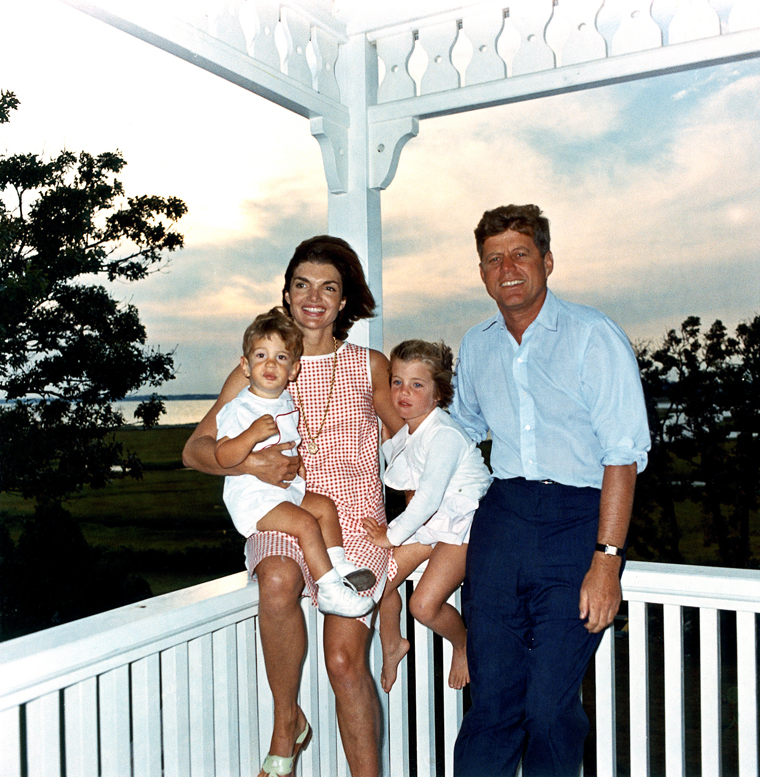
His wife Jacqueline, his daughter Caroline and his son John.
Keepsakes
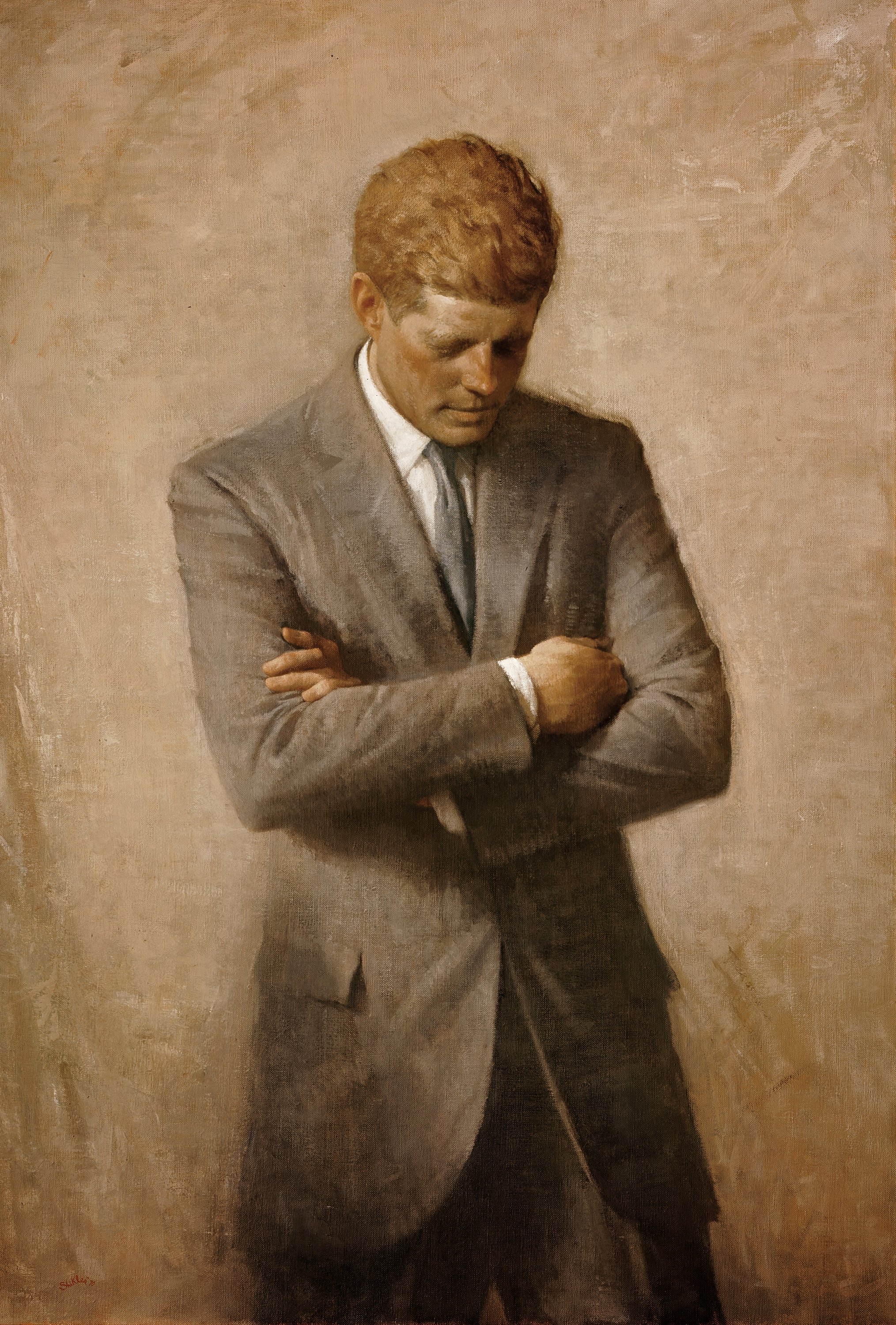
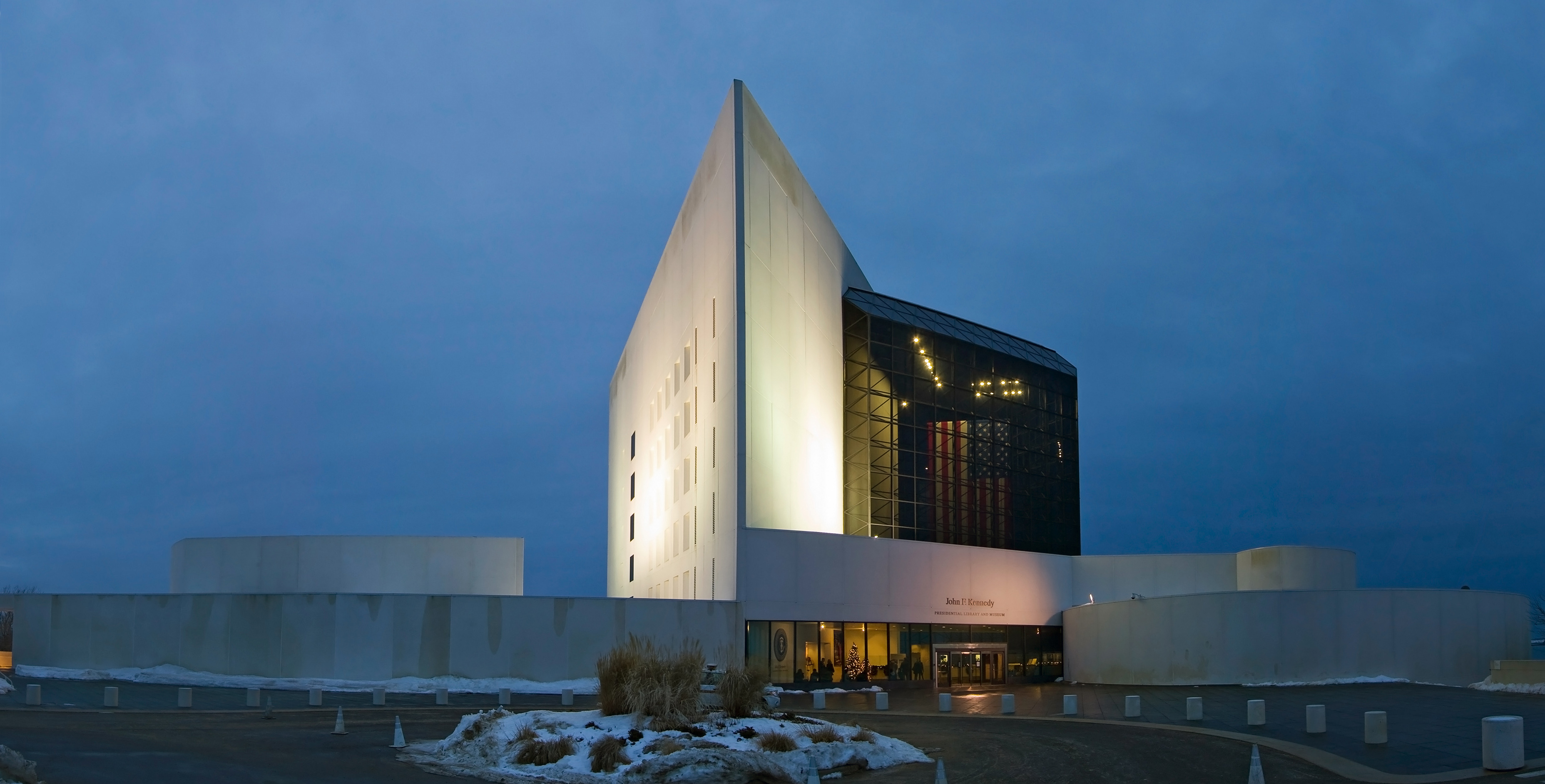
Service Record
U.S. Navy Reserve
Office of Naval Intelligence, and the Sixth Naval District
1941 – 1945
Highest rank: Lieutenant. Served 1941–1945.
Office of the President of the United States
1961 – 1963
Conflicts
 Awards & Decorations
6
Awards & Decorations
6
Foreign awards
 Asiatic-Pacific Campaign Medal three service stars ×3
Also Remembered
Assassinations — November 22, 1963
Family
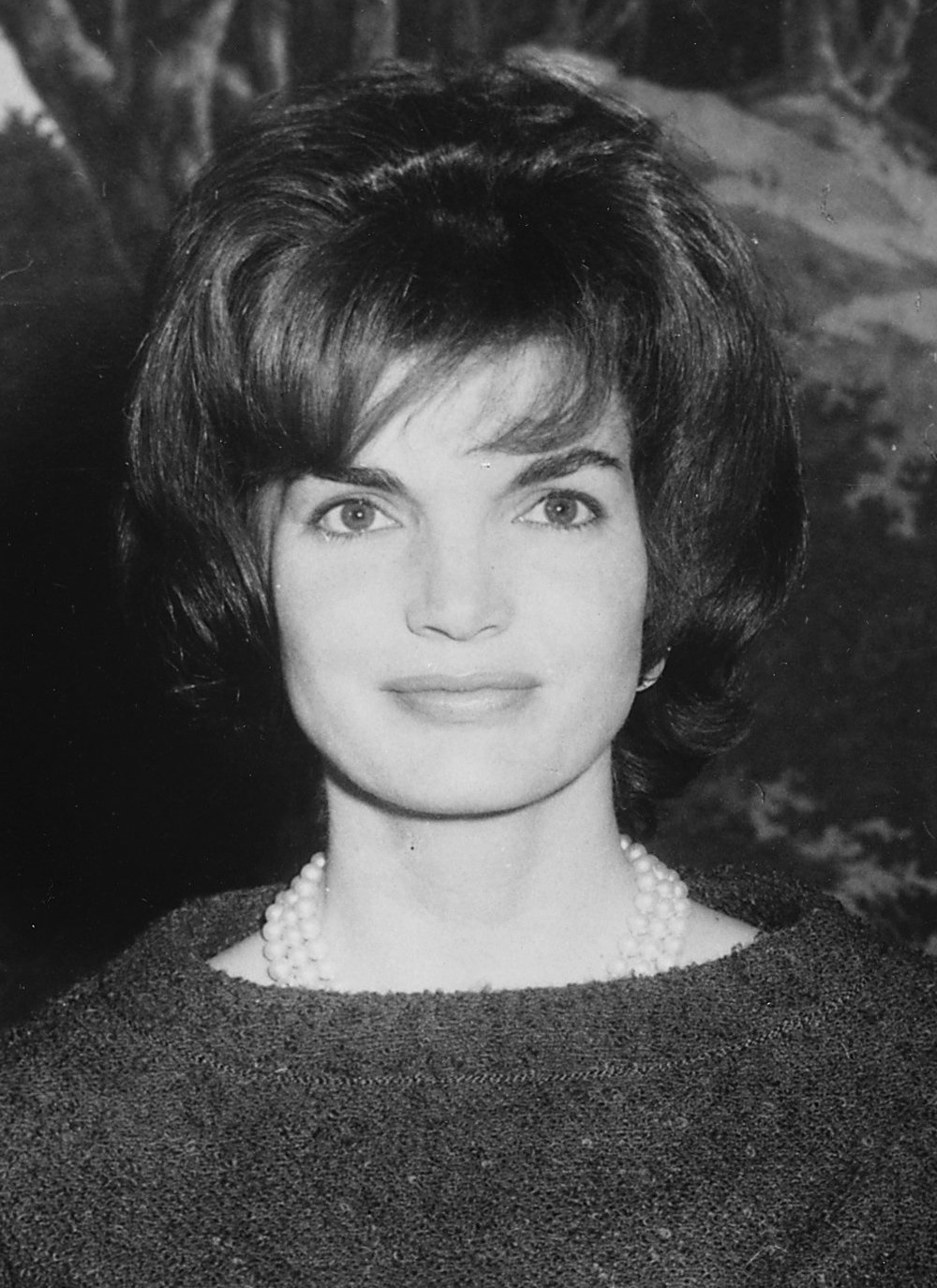
 Burial Information
Cemetery
Arlington National Cemetery
Section
45
Grave
S-45
In Our Keeping
Permanent identifier
neuraspine_01kz9yam0kcp34k9gz555v959c
Record added
August 5, 2026
neuraweb.nw
Stewarded by
neuraweb.nw
Last updated
September 22, 2026
This page is permanent and free. No fee to view it, no advertising, no tracking, and no account required. It will not be taken down.
Are you family? This record can be claimed and maintained by those who knew John. Claim this record.
Shadow Box
John Fitzgerald Kennedy
Lieutenant
U.S. Navy Reserve
1941 - 1945
Office of Naval Intelligence, and the Sixth Naval District

 3
3
Be the first to honor John.
Leave a Tribute