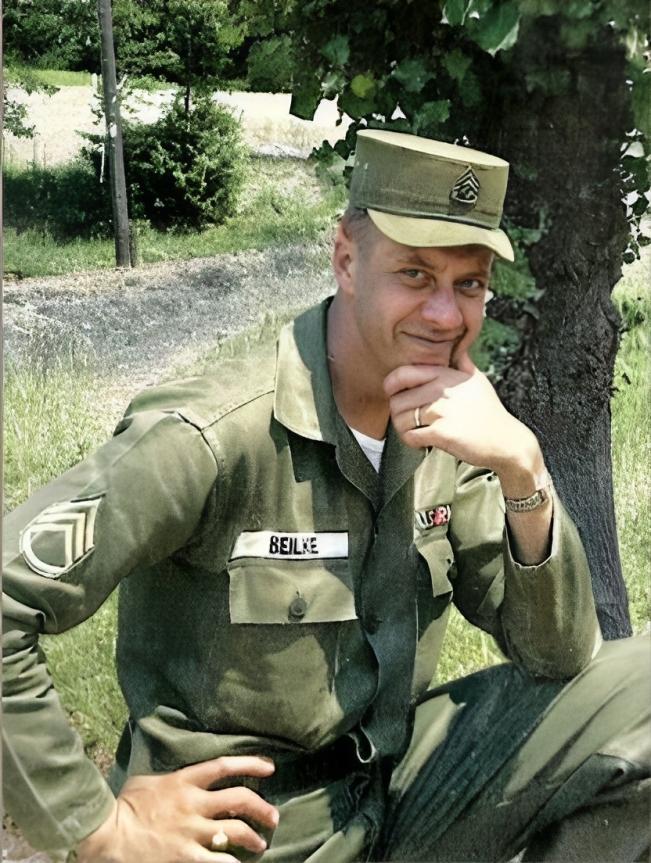
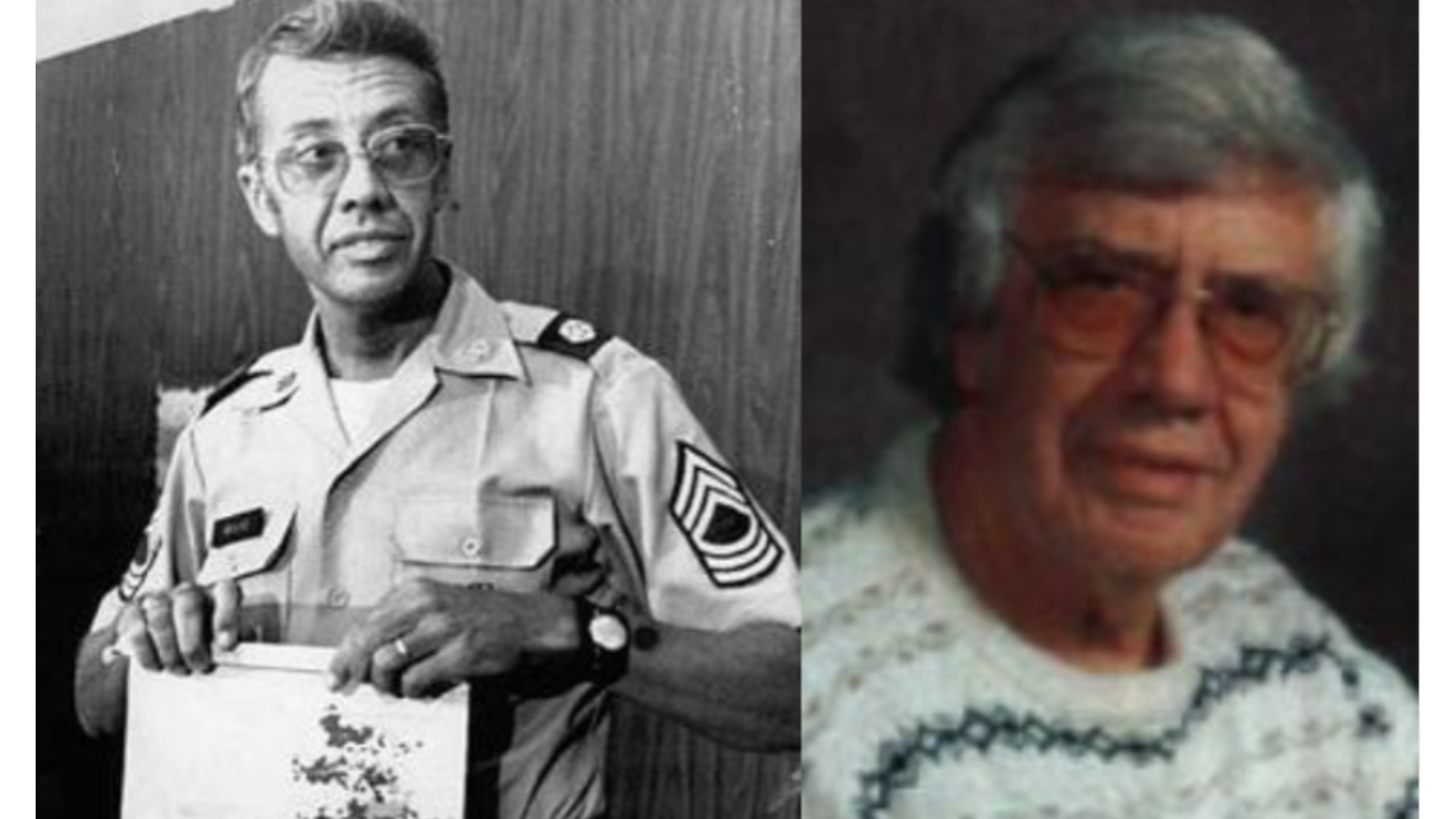
Master Sergeant Max J Beilke served the Korea for 2 years. Max also served in the U.S. Army. Max served in the Korean War, the Vietnam War and the Cold War. Max was married to Lieselotte Beilke. Max was 69 years old.
How He Died
Manner
Homicide
Cause
Multiple traumatic injuries
Place
Virginia
Biography
Master Sergeant, United States Army, retired - and the last American combat soldier to leave Vietnam.
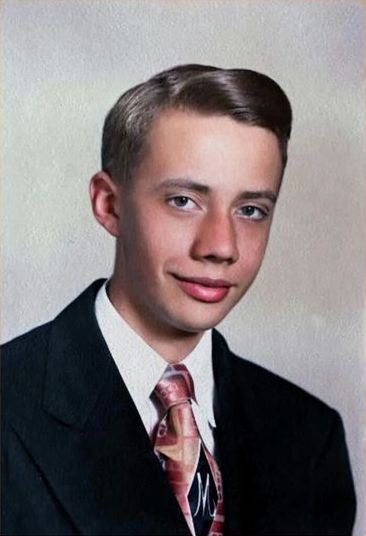
He was born at Pipestone in Minnesota and grew up on a farm at Alexandria with five sisters. He finished school in 1950, was drafted in 1952, and served two years in Korea. He re-enlisted in 1956 and was stationed in Germany, where he met his wife Lisa.
At twenty years he put in his retirement papers. The Army refused them and sent him to Vietnam in 1972 as noncommissioned officer in charge of Camp Alpha in Saigon, through which every American entering or leaving the country passed. His work was to coordinate the withdrawal against the release of prisoners of war - a certain number of soldiers documented out before the bargain would be kept. Anybody who left Vietnam in 1972 or 1973 has his stamped signature on their orders.
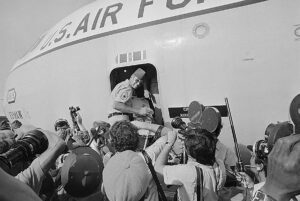
When the last aircraft was to leave on the twenty-ninth of March 1973, the question was who would board it last. The officer commanding the camp had declared it would be himself. The men felt strongly it should be an enlisted soldier, and the junior officers took the colonel out the night before and saw to it that he was in no condition to stand before the cameras. He had been awake about forty-eight hours planning that flight.
A CBS correspondent asked him how it felt. He said: I think it is a fitting ending to the job I had. When you are responsible for moving the people out of here, I think it is nice to know you are the last man out. I had to do a job.
At the ramp a North Vietnamese colonel named Bui Tin put out his hand to the departing soldiers. Most refused it. One swore at him. Beilke looked him in the eye, accepted the colonels gift of a small painting of a pagoda, and said thank you.
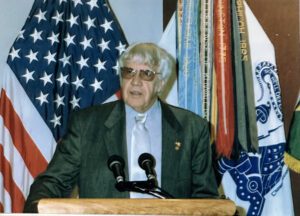
He came home in 1974 and retired as senior noncommissioned officer of the Army Intelligence Command at Fort Meade, having taken a degree at Maryland and a masters at Central Michigan in years of night school. He worked as legislative counsel for the National Association for Uniformed Services and then for the Department of the Army as deputy chief of the retirement services division, and was instrumental in the passage of TRICARE for Life. His whole life after the Army was given to the retirees and to making sure they understood what they were owed.
He was a historian by inclination, and his favourite building was the Pentagon. His Monday meeting of the tenth of September had been moved to the eleventh. He was in a room where the nose of the aircraft came through, and was among the first declared missing.
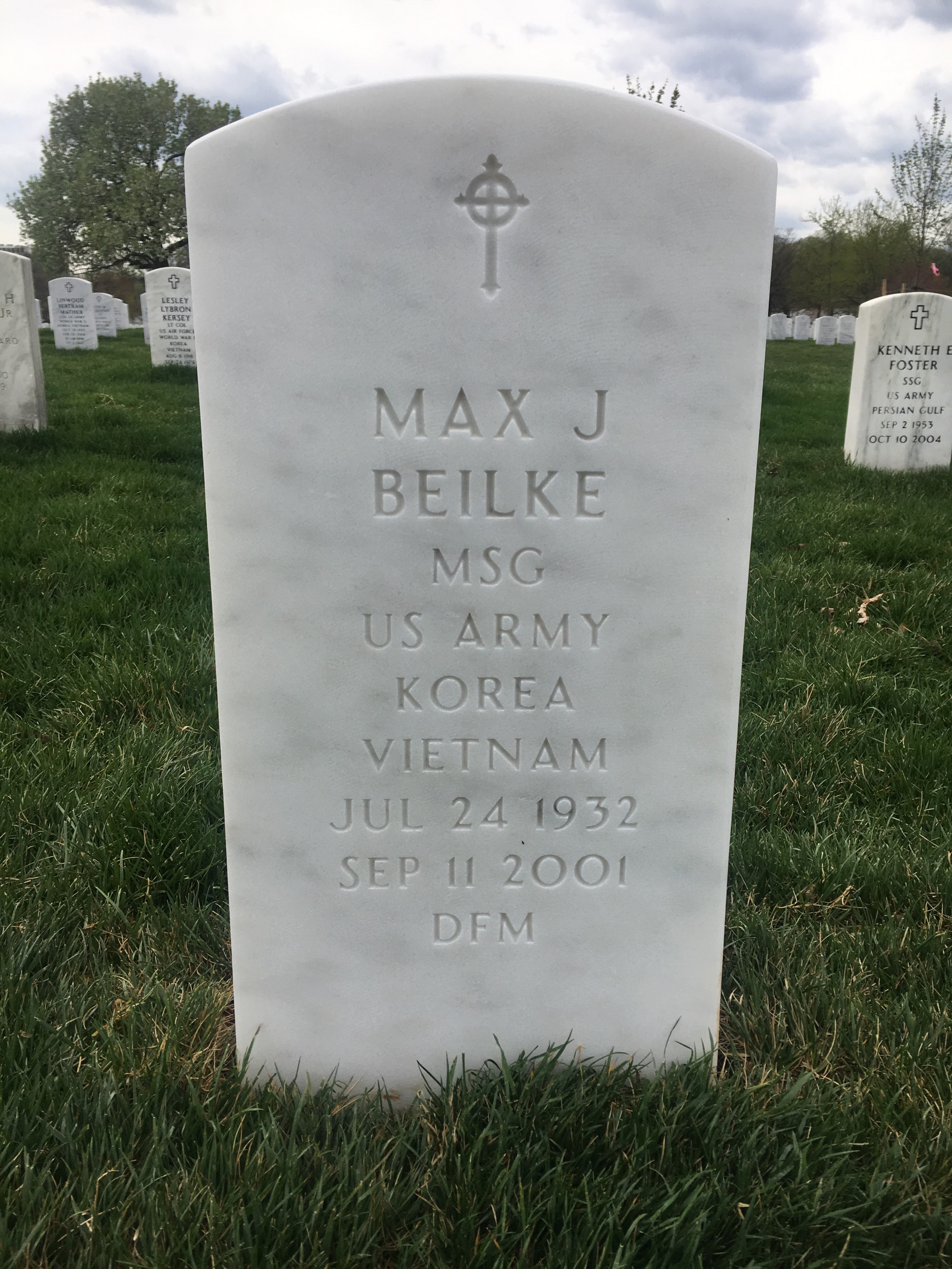
Some of his remains were identified on the thirteenth of October. He is buried in Section 64 at Arlington, within sight of the building. His sister says the irony of it is not lost on the family.
The veterans clinic at Alexandria in Minnesota was renamed for him on the eleventh of September 2010.
He was born at Pipestone in Minnesota and grew up on a farm at Alexandria with five sisters. He finished school in 1950, was drafted in 1952, and served two years in Korea. He re-enlisted in 1956 and was stationed in Germany, where he met his wife Lisa.
At twenty years he put in his retirement papers. The Army refused them and sent him to Vietnam in 1972 as noncommissioned officer in charge of Camp Alpha in Saigon, through which every American entering or leaving the country passed. His work was to coordinate the withdrawal against the release of prisoners of war - a certain number of soldiers documented out before the bargain would be kept. Anybody who left Vietnam in 1972 or 1973 has his stamped signature on their orders.
When the last aircraft was to leave on the twenty-ninth of March 1973, the question was who would board it last. The officer commanding the camp had declared it would be himself. The men felt strongly it should be an enlisted soldier, and the junior officers took the colonel out the night before and saw to it that he was in no condition to stand before the cameras. He had been awake about forty-eight hours planning that flight.
A CBS correspondent asked him how it felt. He said: I think it is a fitting ending to the job I had. When you are responsible for moving the people out of here, I think it is nice to know you are the last man out. I had to do a job.
At the ramp a North Vietnamese colonel named Bui Tin put out his hand to the departing soldiers. Most refused it. One swore at him. Beilke looked him in the eye, accepted the colonels gift of a small painting of a pagoda, and said thank you.
He came home in 1974 and retired as senior noncommissioned officer of the Army Intelligence Command at Fort Meade, having taken a degree at Maryland and a masters at Central Michigan in years of night school. He worked as legislative counsel for the National Association for Uniformed Services and then for the Department of the Army as deputy chief of the retirement services division, and was instrumental in the passage of TRICARE for Life. His whole life after the Army was given to the retirees and to making sure they understood what they were owed.
He was a historian by inclination, and his favourite building was the Pentagon. His Monday meeting of the tenth of September had been moved to the eleventh. He was in a room where the nose of the aircraft came through, and was among the first declared missing.
Some of his remains were identified on the thirteenth of October. He is buried in Section 64 at Arlington, within sight of the building. His sister says the irony of it is not lost on the family.
The veterans clinic at Alexandria in Minnesota was renamed for him on the eleventh of September 2010.
Survivors
His wife Lisa, his daughters Susie and Michelle, his grandsons Joseph, Luke and Joshua, and his five sisters.
Keepsakes
 Shared stone
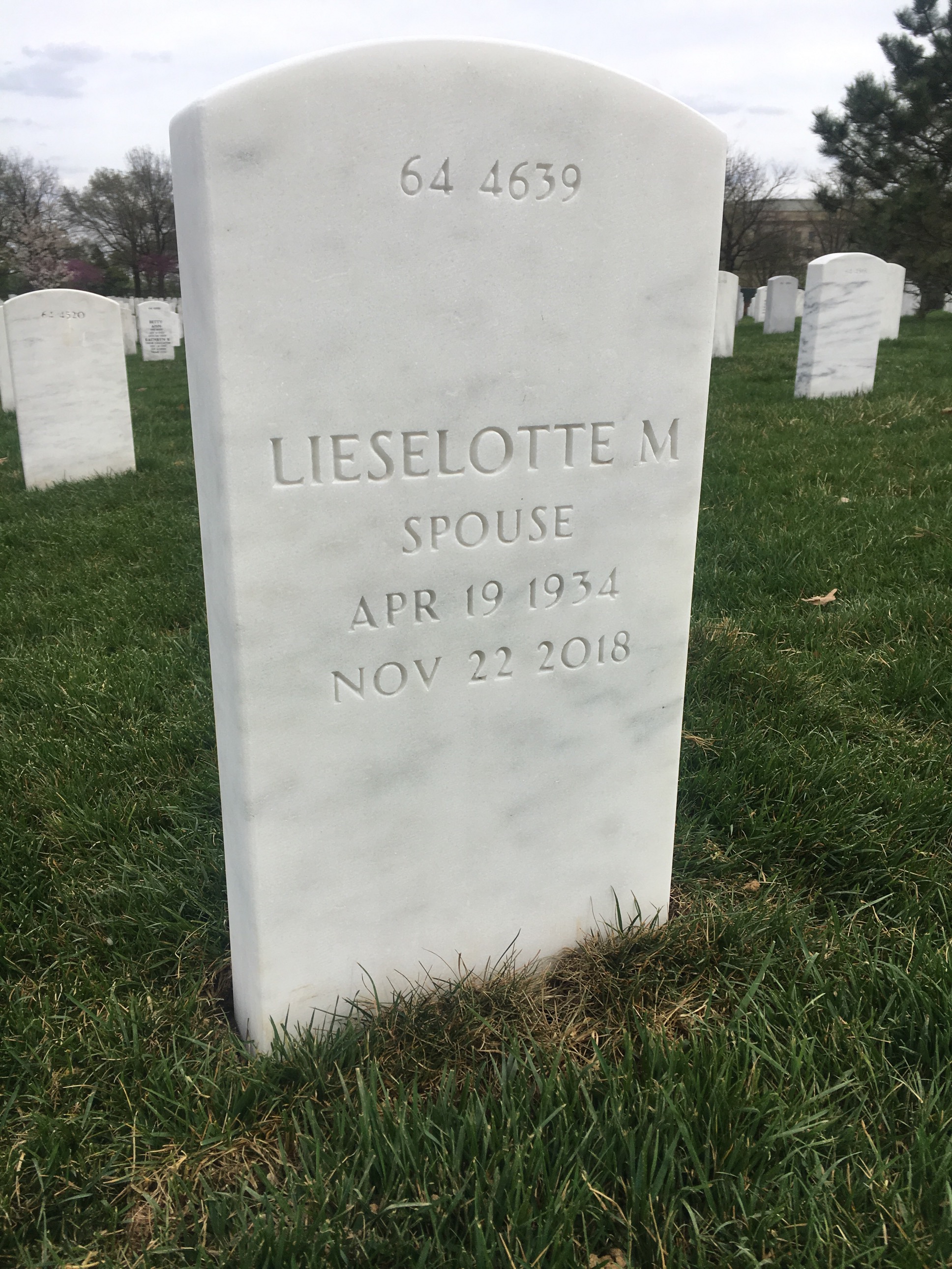 Shared stone
Service Record
U.S. Army
Korea
1952 – 1954
U.S. Army
Camp Alpha, Saigon - and afterwards the Retirement Services Division, Office of the Deputy Chief of Staff for Personnel
1956 – 1974
Conflicts
 Awards & Decorations
1
Awards & Decorations
1
For service and achievement
Memorials
National 9/11 Pentagon Memorial
Line 1932
Also Remembered
September 11, 2001 — The Pentagon
 Burial Information
Cemetery
Arlington National Cemetery
Section
64
Grave
4639
Also Interred
Lieselotte Beilke
In Our Keeping
Permanent identifier
neuraspine_01krcs01hrpjagawhg3x5az8rm
Record added
August 8, 2026
neuraweb.nw
Stewarded by
neuraweb.nw
Last updated
September 21, 2026
This page is permanent and free. No fee to view it, no advertising, no tracking, and no account required. It will not be taken down.
Are you family? This record can be claimed and maintained by those who knew Max. Claim this record.
Shadow Box
Max J Beilke
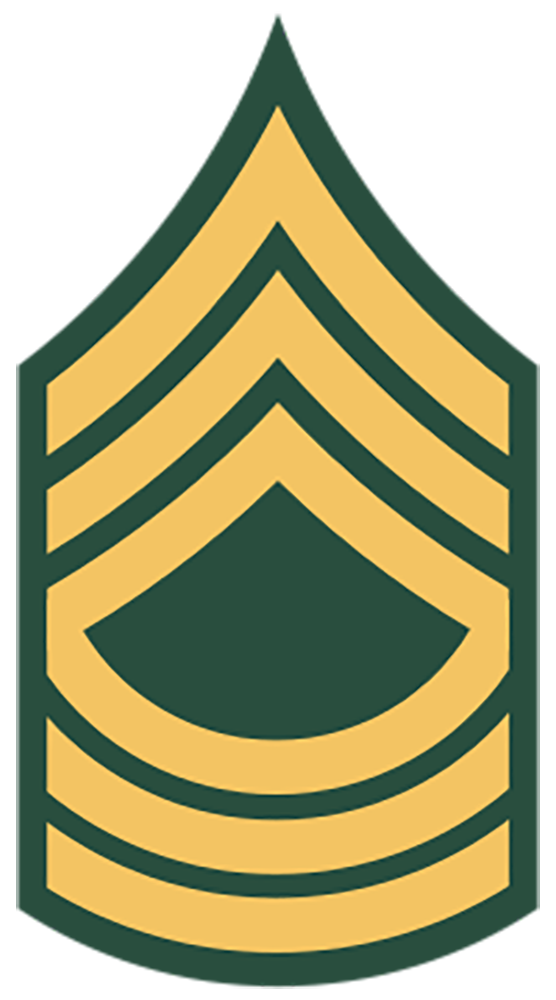
Master Sergeant
U.S. Army
1952 - 1954
Korea

Be the first to honor Max.
Leave a Tribute